
Starting your first vegetable garden can feel overwhelming, but it doesn’t have to be. Focus on easy, productive crops and you’ll be harvesting fresh vegetables within weeks. Here’s everything beginners need to know.
Start Small
The biggest beginner mistake is planting too much. A 4×8 foot raised bed or a few containers can produce impressive harvests without overwhelming maintenance. You can always expand next year.
Easy Crops for Beginners
Leafy Greens
Lettuce: Ready in 30-45 days. Cut-and-come-again harvesting extends the harvest. Plant in spring and fall; bolts in summer heat.
Spinach: Nutrient-dense and fast (40 days). Prefers cool weather. Plant early spring or fall.
Root Vegetables
Radishes: The fastest vegetable—ready in 25-30 days. Perfect for impatient gardeners and teaching kids.
Carrots: Need loose soil but otherwise easy. Takes 70+ days. Thin seedlings for best results.
Fruiting Vegetables
Tomatoes: Buy transplants, not seeds. Cherry tomatoes are easiest. Need support and consistent water.
Zucchini: Famously productive—two plants feed a family. Watch for squash bugs.
Peppers: Buy transplants. Sweet peppers are easier than hot. Need warm weather.
Beans: Bush beans need no support and produce quickly. Direct sow after frost danger.
Cucumbers: Prolific producers. Can train up a trellis to save space.
Herbs
Basil: Plant with tomatoes—they’re companion plants. Pinch flowers for continuous leaves.
Site Selection
- Sun: Vegetables need 6-8 hours of direct sun minimum
- Water access: You’ll water frequently—make it easy
- Level ground: Easier for beds and irrigation
- Away from trees: Tree roots compete for water and nutrients
Soil Preparation
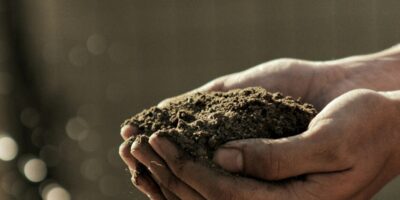
Good soil is the foundation of vegetable gardening. For raised beds, use a mix of topsoil, compost, and peat or coconut coir. For in-ground gardens, add 2-4 inches of compost and work it in.
When to Plant
Cool-Season Crops (plant early spring, late summer)
Lettuce, spinach, peas, radishes, carrots, broccoli, kale
Warm-Season Crops (plant after last frost)
Tomatoes, peppers, cucumbers, squash, beans, basil
Basic Care
Watering
Most vegetables need 1-2 inches of water weekly. Water deeply but less frequently—this encourages deep roots. Morning watering is best. Mulch reduces water needs dramatically.
Fertilizing
If you prepared good soil with compost, heavy feeding isn’t necessary. Side-dress with compost mid-season. Over-fertilizing causes lush leaves but poor fruit.
Mulching
2-3 inches of straw, leaves, or wood chips suppress weeds, retain moisture, and moderate soil temperature. Keep mulch away from plant stems.
Common Problems
Pests: Hand-pick large insects. Encourage beneficial insects with flowers. Use row covers to exclude pests.
Disease: Water at soil level, not on leaves. Ensure good air circulation. Remove diseased plants promptly.
Poor production: Usually inadequate sun, water, or nutrients. Diagnose and adjust.
Harvesting
Pick vegetables when ready—most taste best young. Regular harvesting encourages continued production. Check daily during peak season.
First Year Goals
Success your first year means:
- Growing something edible (anything!)
- Learning your site’s conditions
- Making mistakes you won’t repeat
- Getting hooked on fresh vegetables
Every experienced gardener started exactly where you are. Plant something, pay attention, and learn as you grow.


Stay in the loop
Get the latest the gardening nook updates delivered to your inbox.