Fresh herbs transform cooking—there’s simply no comparison between dried herbs from a jar and leaves snipped moments before serving. The good news? Growing your own kitchen herbs is easy, even with minimal space. Here are the 12 essential herbs every home cook should grow.
The Must-Have Dozen
1. Basil
The king of summer herbs. Sweet basil is essential for Italian cooking, Thai basil for Asian dishes. Basil hates cold—plant after frost danger passes and bring it inside before fall chill.
Growing tips: Pinch flower buds to keep leaves coming. Water consistently; wilting damages flavor. Plant successively for continuous harvest.
2. Mint
Mojitos, mint juleps, tabbouleh, tea—mint is versatile and vigorous. Too vigorous: always grow in containers or it will take over your garden.
Growing tips: Part shade is fine. Spreads aggressively by runners. Spearmint is sweetest; peppermint strongest.
3. Rosemary
This Mediterranean shrub loves sun and excellent drainage. Perennial in mild climates, it’s a winter houseplant in cold regions. Essential for lamb, chicken, and roasted vegetables.
Growing tips: Overwatering kills more rosemary than anything. Let soil dry between waterings. Excellent in containers.
4. Thyme
Tiny leaves pack huge flavor. Common thyme works for everything; lemon thyme adds citrus notes. Perennial and tough once established.
Growing tips: Needs well-drained soil. Can spread into fragrant groundcover. Cut back after flowering to keep compact.
5. Oregano
Essential for pizza, pasta sauce, and Greek cooking. Greek oregano has the strongest flavor. This spreading perennial thrives on neglect.
Growing tips: Full sun, lean soil. Too much fertilizer reduces flavor. Cut back hard in early summer for fresh growth.
6. Parsley
Flat-leaf (Italian) parsley has better flavor; curly parsley is prettier as garnish. Biennial—grows leaves first year, flowers and dies second year.
Growing tips: Slow to germinate—soak seeds overnight. Tolerates partial shade. Plant new every year for continuous leaves.
7. Cilantro
Love it or hate it (literally—it’s genetic), cilantro is essential for Mexican, Indian, and Thai cuisines. It bolts (goes to seed) quickly in heat.
Growing tips: Plant in spring and fall, not summer. Succession plant every 2-3 weeks. Let some bolt for coriander seeds.
8. Chives
Mild onion flavor for eggs, potatoes, cream cheese, and salads. Pretty purple flowers are edible too. Perennial and easy.
Growing tips: Cut to ground level to harvest—they regrow. Divide clumps every few years. Garlic chives offer garlicky alternative.
9. Sage
The Thanksgiving herb—essential for stuffing and butternut squash. Beautiful silvery foliage and purple flowers. Perennial in most climates.
Growing tips: Needs excellent drainage. Gets woody over time—replace every 4-5 years. Many colorful varieties available.
10. Dill
For pickles, fish, potatoes, and Eastern European cooking. Both leaves (dill weed) and seeds are used. Tall and ferny.
Growing tips: Direct sow—doesn’t transplant well. Self-seeds freely. Fernleaf variety is more compact.
11. Tarragon
French tarragon is essential for béarnaise sauce and fine French cooking. Subtle anise flavor that elevates chicken and eggs.
Growing tips: Must be French tarragon (grown from divisions, not seed). Russian tarragon (from seed) has inferior flavor.
12. Bay Laurel
Fresh bay leaves have more complexity than dried. Use in soups, stews, and braises. Grows as a shrub or small tree.
Growing tips: Tender—grow in containers to bring indoors in cold climates. Slow-growing but long-lived.
Growing Herbs Successfully
Light Requirements
Most culinary herbs are Mediterranean natives that need full sun (6+ hours). Exceptions: parsley, cilantro, chives, and mint tolerate partial shade.
Soil and Drainage
Herbs generally prefer well-drained, lean soil. Rich soil produces lush growth but weaker flavor. In heavy clay, grow in raised beds or containers.
Container Growing
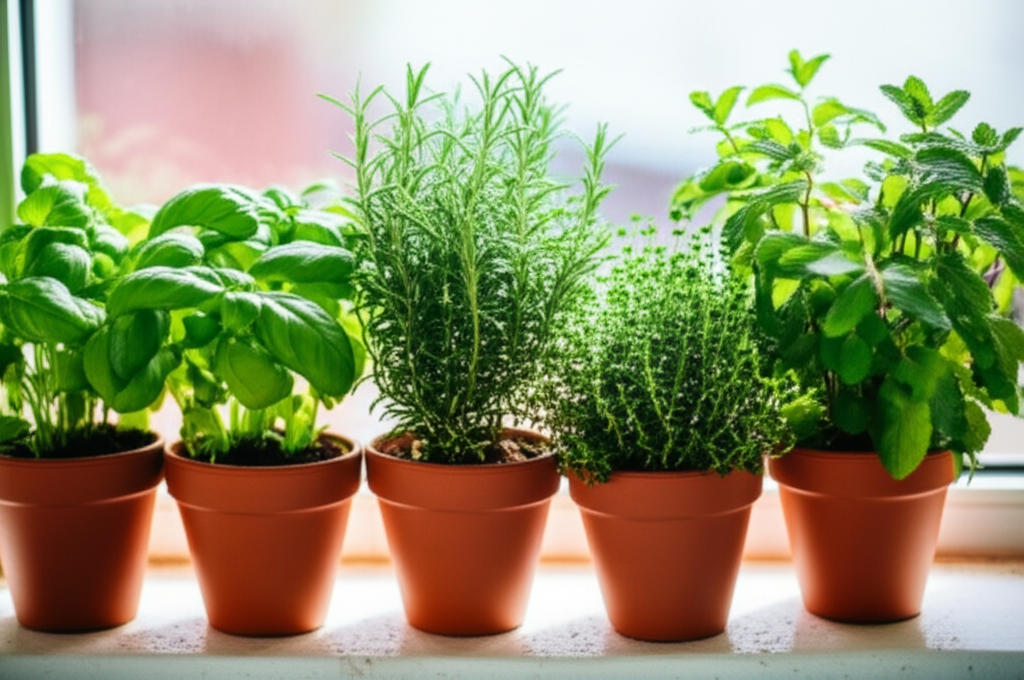
Herbs are perfect for containers. Use pots with drainage holes and quality potting mix. Group herbs with similar water needs. Terra cotta dries faster than plastic—better for rosemary, worse for basil.
Windowsill Gardens
South-facing windows work for some herbs, but most need more light than windowsills provide. Supplement with grow lights for indoor success.
Harvesting for Best Flavor
- Harvest in morning after dew dries but before midday heat
- Cut regularly—this encourages bushy growth
- Harvest before flowering—flowers signal reduced leaf production
- Never take more than one-third of a plant at once
- Use sharp scissors or pruners for clean cuts
Preserving Your Harvest
Freezing
Best for basil, parsley, cilantro, chives. Chop and freeze in ice cube trays with water or olive oil. Use directly in cooking.
Drying
Best for oregano, thyme, rosemary, sage, bay. Hang bundles upside down in a warm, dry place. Strip leaves when crispy.
Herb Butter
Blend soft butter with chopped herbs, roll in plastic wrap, freeze. Slice off coins for instant flavor.
The Herb Spiral
A traditional herb garden design, the spiral provides multiple microclimates: well-drained top for rosemary and thyme, moister bottom for parsley and chives. Build with stacked stones or bricks about 3 feet across.
Start Growing
You don’t need all 12 to start. Choose the 3-4 herbs you use most. A pot of basil, some chives, and a rosemary plant will transform your summer cooking. Expand from there as you discover the pleasure of cooking with herbs still warm from the sun.