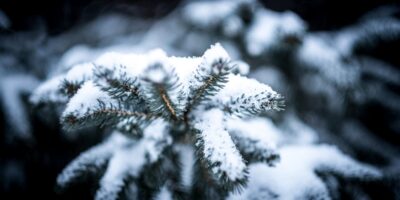
When frost arrives, most gardens go dormant—but yours doesn’t have to. Winter vegetable gardening opens up a whole new growing season, one with fewer pests, less watering, and surprisingly delicious harvests. Many vegetables not only survive cold weather; they actually taste better after frost converts their starches to sugars.
Understanding Cold-Hardy Vegetables
Plants respond to cold differently. Tender vegetables like tomatoes and peppers die at the first frost. But many crops have evolved to tolerate, or even thrive in, cold conditions. These fall into several categories:
Frost-Tolerant (to 28°F)
These crops survive light frosts and short periods of cold:
- Lettuce and most salad greens
- Swiss chard
- Beets (tops may die back)
- Celery
- Chinese cabbage
Frost-Hardy (to 20°F)
These crops handle hard frosts and keep producing:
- Spinach
- Arugula
- Kale
- Collards
- Cabbage
- Broccoli
- Brussels sprouts
- Carrots
- Parsnips
- Turnips
- Leeks
Cold-Immune (to 10°F and below)
The toughest crops survive extreme cold with minimal protection:
- Mache (corn salad)
- Claytonia (miner’s lettuce)
- Some kale varieties
- Walking onions
- Garlic
The Magic of Frost-Sweetened Vegetables
Here’s winter gardening’s secret: cold stress triggers plants to produce sugars as a natural antifreeze. This process, called cold-induced sweetening, transforms certain vegetables:
Carrots left in the ground through frost become noticeably sweeter—some gardeners won’t harvest carrots until after several hard frosts. The same applies to parsnips, which many consider inedible without frost sweetening.
Kale and collards lose their bitterness and develop a rich, almost nutty sweetness after cold exposure. Brussels sprouts harvested post-frost are prized for their improved flavor.
Spinach concentrates its sugars, becoming tender and sweet rather than the slightly metallic taste of summer harvests.
Planning Your Winter Garden
Winter gardening requires planning ahead. Most winter vegetables need to reach near-mature size before day length drops below 10 hours and growth essentially stops. In most areas, this means planting in late summer or early fall.
Timing Guidelines by Zone
- Zones 7-9: Plant August through September for winter harvest
- Zones 5-6: Plant July through August; use protection
- Zones 3-4: Plant June through July; cold frames essential
The “Persephone Days”
When day length falls below 10 hours, plant growth nearly stops regardless of temperature. This period—roughly November through February in many areas—is when you’re harvesting, not growing. Plants maintain their state, waiting for longer days to resume growth.
Plan to have crops at harvestable size before the Persephone days arrive. Check your latitude to find exact dates: 40°N latitude experiences about 2.5 months of sub-10-hour days.
Best Vegetables for Winter Growing
Leafy Greens
Spinach is the winter garden champion. Plant in late August for fall harvest, then mulch heavily. Plants survive winter and explode with growth in early spring—you’ll be harvesting spinach weeks before you can plant anything else.
Kale stands through incredible cold. Dinosaur (Lacinato) kale handles cold exceptionally well, and its flavor improves dramatically. Red Russian is another excellent choice, tender enough for salads even after hard freezes.
Mache and Claytonia are true winter specialists. These mild, tender greens actually prefer cold and grow slowly but steadily through winter. Mache self-sows readily once established.
Root Vegetables
Carrots can be stored right in the ground through winter. Mulch heavily with straw after the ground begins to freeze, and dig as needed. They’ll stay fresh and crisp for months—better than any root cellar.
Parsnips require frost to develop their sweet flavor. Plant in spring, ignore all summer, and harvest after several hard frosts. They can stay in the ground all winter, though they’ll turn woody if left until spring growth begins.
Turnips planted in late summer size up quickly and sweeten with frost. Hakurei turnips are particularly delicious raw when cold-sweetened.
Brassicas
Brussels sprouts are better after frost. Plant transplants in early summer, and start harvesting the lowest sprouts in fall. The plant continues producing into winter, and flavor improves with each frost.
Broccoli planted in late summer produces fall heads, then sends up side shoots that continue through light frosts. With protection, you may harvest into December.
Alliums
Garlic is planted in fall for harvest the following summer. Plant cloves in October, mulch heavily, and forget about them until spring when shoots emerge.
Leeks are impressively cold-hardy. Hill soil around stems in fall to blanch them, then harvest as needed through winter. They tolerate temperatures down to 0°F.
Protection Methods
While cold-hardy vegetables survive frost, protection extends your harvest and improves quality:
Mulch
Heavy mulch (6-12 inches of straw or leaves) insulates the soil and roots. Apply after the ground begins to freeze to prevent heaving. For root vegetables, mulch allows harvest even when the ground would otherwise be frozen solid.
Row Covers
Floating row covers add 4-8°F of protection and shield plants from drying winter winds. Medium-weight fabric over hoops creates a miniature greenhouse effect.
Cold Frames
For the most tender winter crops and for extending into the coldest months, cold frames are invaluable. Lettuce that would die in the open garden thrives in a simple cold frame.
Harvesting in Winter
Winter harvesting has its own rhythm:
- Harvest midday when plants have thawed. Frozen leaves shatter if handled.
- Take only what you need. Plants store better in the garden than in your refrigerator.
- Don’t harvest during extreme cold. Wait for temperatures to moderate.
- For root vegetables, dig carefully in frozen ground. A digging fork works better than a spade.
Planning for Next Year
Winter gardening requires adjusting your mental calendar. Here’s a rough timeline:
- January-February: Order seeds for winter garden (they sell out fast)
- March-April: Start planning fall/winter bed rotations
- June-July: Start winter brassica transplants indoors
- August-September: Direct sow winter greens and roots
- October: Plant garlic, apply winter mulch
- November-February: Harvest and enjoy
The Winter Garden Advantage
Beyond fresh food when nothing else grows, winter gardening offers unique benefits:
No pests. Cabbage moths, flea beetles, and most other garden pests are dormant. Your brassicas grow hole-free without intervention.
Minimal watering. Low evaporation means rain and snow provide most moisture needs. Winter gardens are remarkably low-maintenance.
Better flavor. Cold-stressed vegetables concentrate sugars and nutrients. Winter carrots and kale are objectively more delicious.
Garden therapy. Even a brief harvest trip connects you with the earth during the darkest months. There’s something deeply satisfying about pulling a perfect carrot from snow-covered ground.
Winter gardening isn’t about fighting the seasons—it’s about working with a different season entirely. Start small with a cold frame and some spinach, and you may find winter becomes your favorite growing time.