The Pacific Northwest Watering Paradox
Despite our reputation for rain, Seattle’s dry summers create a watering challenge that catches many new gardeners off guard. From late June through September, the Pacific Northwest receives less rainfall than Phoenix. Those abundant winter rains that gave us our green reputation disappear exactly when plants need water most.
Understanding how to water properly—deeply and less frequently—transforms garden success. Plants develop stronger root systems, become more drought-tolerant, and produce better harvests when watered correctly.
Deep Watering vs. Frequent Watering: Why It Matters
The Problem with Frequent Light Watering
Daily light watering seems like attentive gardening, but it actually weakens plants. When only the top inch of soil gets wet, roots stay shallow, growing in that moist layer near the surface. Shallow-rooted plants:
- Wilt quickly in hot weather
- Require constant attention to stay alive
- Produce poorly because energy goes to root growth instead of fruit
- Are vulnerable to heat stress when soil surface heats up
The Benefits of Deep, Infrequent Watering
When you water deeply—soaking soil 6-8 inches down—then allow it to dry somewhat before watering again, roots chase moisture downward. Deep-rooted plants:
- Access moisture unavailable to shallow-rooted plants
- Tolerate longer periods between watering
- Stay cooler because deep soil stays cooler
- Access more nutrients from deeper soil layers
- Withstand heat waves better
How Much Water Do Plants Need?
Most vegetables require 1-2 inches of water per week during the growing season. In the Pacific Northwest summer, this almost always means irrigation, since we might receive only 1 inch of rain in the entire months of July and August combined.
Measuring Water Application
Place straight-sided containers (tuna cans work well) throughout your garden while irrigating. When they contain 1 inch of water, you’ve applied 1 inch to your garden. Note how long this takes with your watering system for future reference.
Factors That Increase Water Needs
- Container plants: May need daily watering in hot weather
- Sandy soil: Drains faster, requires more frequent watering
- New transplants: Shallow roots need more attention until established
- Fruiting plants: Tomatoes, peppers, and squash need consistent moisture for fruit development
- Hot or windy weather: Increases evaporation significantly
Factors That Decrease Water Needs
- Clay soil: Holds moisture longer between waterings
- Mulched beds: Reduce evaporation by 50% or more
- Established perennials: Deep roots access moisture shallow-rooted plants can’t
- Cooler periods: Overcast days reduce water loss
When to Water
Time of Day
Early morning is the best time to water for several reasons:
- Less water lost to evaporation compared to midday
- Foliage dries quickly in morning sun, reducing disease
- Plants are well-hydrated for the hottest part of the day
- Wind is usually calmest in early morning
Evening watering is second-best but leaves foliage wet overnight, potentially encouraging fungal diseases—a significant concern in our humid climate.
Avoid midday watering when possible. Up to 50% of water can be lost to evaporation when watering during hot, sunny conditions.
How to Know When to Water
Don’t water on a schedule—check soil moisture first. The finger test is simple and reliable:
- Push your finger 2-3 inches into the soil
- If soil feels moist at that depth, don’t water
- If soil feels dry 2-3 inches down, it’s time to water
For larger gardens, a soil moisture meter provides quick readings without getting your hands dirty.
Watering Methods for Pacific Northwest Gardens
Drip Irrigation
The gold standard for vegetable gardens. Drip systems deliver water directly to root zones, reducing waste and keeping foliage dry. Benefits include:
- 90% water efficiency (versus 50% for sprinklers)
- Reduced disease by keeping leaves dry
- Less weed growth between plants
- Easy automation with timers
- Low water pressure requirements
DIY Drip Setup: Start with a timer at the faucet, connect a pressure regulator and filter, then run 1/2-inch mainline tubing along beds. Punch in 1/4-inch emitter tubing or individual drippers at each plant. Many hardware stores and garden centers sell complete kits.
Soaker Hoses
A simpler option than drip irrigation. Porous hoses weep water along their length, soaking the soil beneath. Less precise than drip emitters but easier to install. Best for rows of plants rather than widely spaced individuals. Cover with mulch to extend life and reduce evaporation.
Hand Watering
Most gardeners start here. For best results:
- Use a watering wand with a soft spray to avoid soil compaction
- Water at the base of plants, not over foliage
- Apply water slowly so it soaks in rather than running off
- Water until soil is wet 6-8 inches deep, then move on
Hand watering is labor-intensive but gives you intimate knowledge of each plant’s condition.
Overhead Sprinklers
Least efficient for vegetables but sometimes practical for large areas. If using sprinklers:
- Water early morning so foliage dries before evening
- Place rain gauges to measure actual application
- Accept that 30-50% of water will be lost to evaporation and runoff
- Avoid wetting mature tomato and squash foliage to reduce disease
Mulching: The Secret to Less Watering
Mulch is the Pacific Northwest gardener’s best friend during dry summers. A 2-4 inch layer of organic mulch:
- Reduces evaporation by 50% or more
- Keeps soil cooler during heat waves
- Suppresses weeds that compete for water
- Breaks down to add organic matter
- Protects soil from compaction during watering
Best Mulches for Vegetable Gardens
- Straw: Inexpensive, readily available, breaks down in one season. Make sure it’s straw (seed-free) not hay (contains weed seeds).
- Grass clippings: Free and nitrogen-rich, but apply in thin layers to prevent matting. Don’t use clippings from chemically treated lawns.
- Arborist chips: Often free from tree services, excellent for pathways and around permanent plantings.
- Leaves: Shredded fall leaves make excellent mulch. Whole leaves can mat and block water.
- Compost: The best mulch, but expensive to apply thickly. Use 1-2 inches as mulch.
Mulching Tips
- Apply mulch after soil warms in late spring—too early keeps soil cold
- Keep mulch 1-2 inches away from plant stems to prevent rot
- Replenish as mulch decomposes during the season
- Remove or incorporate annual mulch before planting next season
Watering Specific Crops
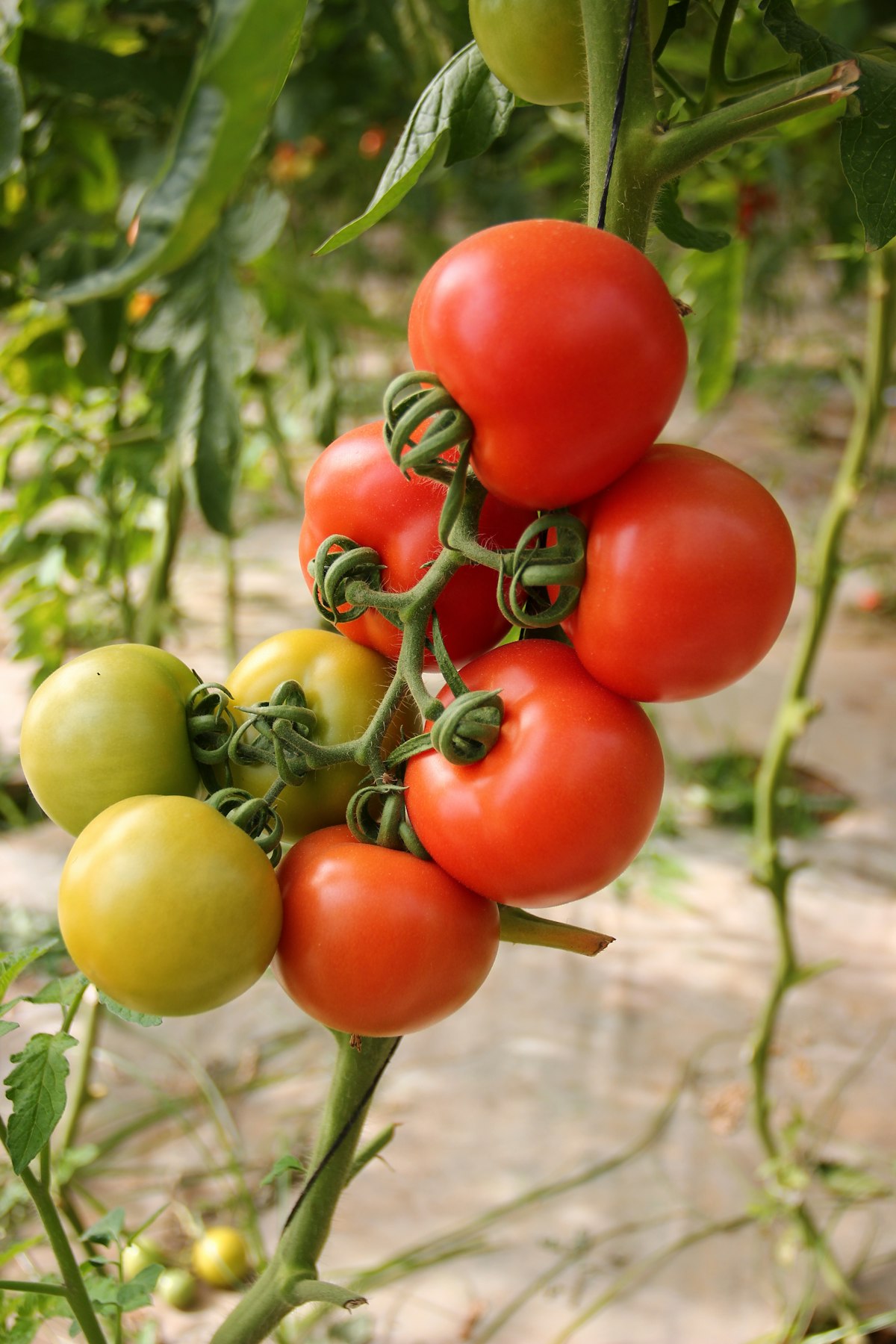
Tomatoes
Tomatoes need consistent moisture for fruit development but can handle some drought stress. Inconsistent watering causes blossom end rot and fruit cracking. Water deeply twice weekly in hot weather, keeping foliage dry. Reduce watering as fruits ripen to intensify flavor.
Peppers
Similar to tomatoes but more drought-tolerant once established. Avoid overwatering, which can cause root problems in our heavy soils. Deep weekly watering usually suffices unless weather is very hot.
Squash and Cucumbers
Large leaves lose water quickly through transpiration. These heavy feeders need consistent moisture and benefit from thick mulch. Water at the base to avoid powdery mildew on leaves.
Leafy Greens
Lettuce and spinach become bitter and bolt (go to seed) with water stress. Keep soil consistently moist with frequent light watering. These shallow-rooted crops are exceptions to the deep watering rule.
Root Vegetables
Carrots and beets need consistent moisture for smooth, well-formed roots. Irregular watering causes cracking and forking. Deep, even moisture throughout the root zone is essential.
Beans and Peas
Water stress during flowering causes blossom drop. Increase watering when plants begin blooming and continue through harvest.
Managing Water During Heat Waves
Pacific Northwest heat waves—periods of 85°F+ temperatures—stress plants and gardeners alike. Extra measures help plants survive:
- Water deeply before heat arrives: Plants with fully hydrated soil handle heat better
- Shade sensitive crops: Row cover or shade cloth reduces heat stress
- Increase watering frequency: Deep watering every 2-3 days instead of weekly
- Water in early morning: Plants hydrated early handle afternoon heat better
- Add mulch: Keeps roots cooler during extreme heat
- Accept some wilting: Temporary afternoon wilting is normal if plants recover by morning
Signs of Water Problems
Underwatering Signs
- Wilting that doesn’t recover by morning
- Leaves turning yellow from bottom up
- Flowers or fruit dropping
- Stunted growth
- Soil pulling away from container edges
Overwatering Signs
- Yellowing leaves throughout plant
- Wilting despite wet soil
- Root rot (mushy, brown roots)
- Fungal growth on soil surface
- Slow growth and pale color
Water Conservation in the Pacific Northwest
Even though we receive abundant rainfall overall, summer water conservation matters. Many communities impose watering restrictions during drought years. Practice water-wise gardening by:
- Harvesting rainwater: Rain barrels capture winter precipitation for summer use
- Choosing drought-tolerant varieties: Some tomato and bean varieties handle water stress better
- Improving soil: Compost-rich soil holds moisture longer
- Using efficient irrigation: Drip systems waste far less than sprinklers
- Mulching heavily: The single most effective conservation practice
- Grouping plants by water needs: Keep thirsty crops together for efficient irrigation
Building a Sustainable Watering Routine
The goal is efficient, effective watering that becomes second nature:
- Check soil moisture before watering—not every day, but when you expect it might be time
- When you water, water deeply—6-8 inches of soil penetration
- Then wait until soil dries somewhat before watering again
- Observe your plants—they’ll tell you when they need water
- Adjust for weather—more during heat, less during cool or cloudy periods
With practice, you’ll develop an intuition for your garden’s water needs. Plants respond to deep, consistent watering with vigorous growth, abundant harvests, and resilience during the inevitable dry spells that characterize Pacific Northwest summers.