When ground space runs short, smart gardeners look up. Vertical gardening unlocks growing potential on walls, fences, and freestanding structures, transforming tiny patios and narrow side yards into productive gardens. This upward approach suits urban dwellers, apartment residents, and anyone who wants to maximize their growing area without spreading out.
Types of Vertical Structures
Trellises provide the simplest vertical support for climbing plants. Traditional wooden lattice panels lean against walls or stand freely in garden beds. Metal obelisks add architectural interest while supporting beans, peas, and flowering vines. A-frame trellises create growing space on both sides and fold flat for winter storage.
Tomato cages and support towers keep vining plants organized and off the ground. Sturdy welded wire cages outlast flimsy store-bought versions and support heavy fruit loads. Spiral stakes guide single-stem tomatoes upward with minimal footprint.
Living walls mount directly on vertical surfaces, holding dozens of plants in stacked pockets or horizontal channels. These systems range from simple felt pocket planters to elaborate modular panels with integrated irrigation. Green walls transform blank fences and building exteriors into lush growing space.
Tower gardens stack growing containers vertically, creating productive columns from recycled materials or purpose-built systems. Strawberry towers pack dozens of plants into a three-foot diameter footprint. Hydroponic towers circulate nutrient solution through stacked growing sites.
Best Vegetables for Vertical Growing
Pole beans climb enthusiastically on any support, producing for months longer than bush varieties. Scarlet runner beans add ornamental flowers while yielding tender pods. Yard-long beans drape dramatically from overhead structures.
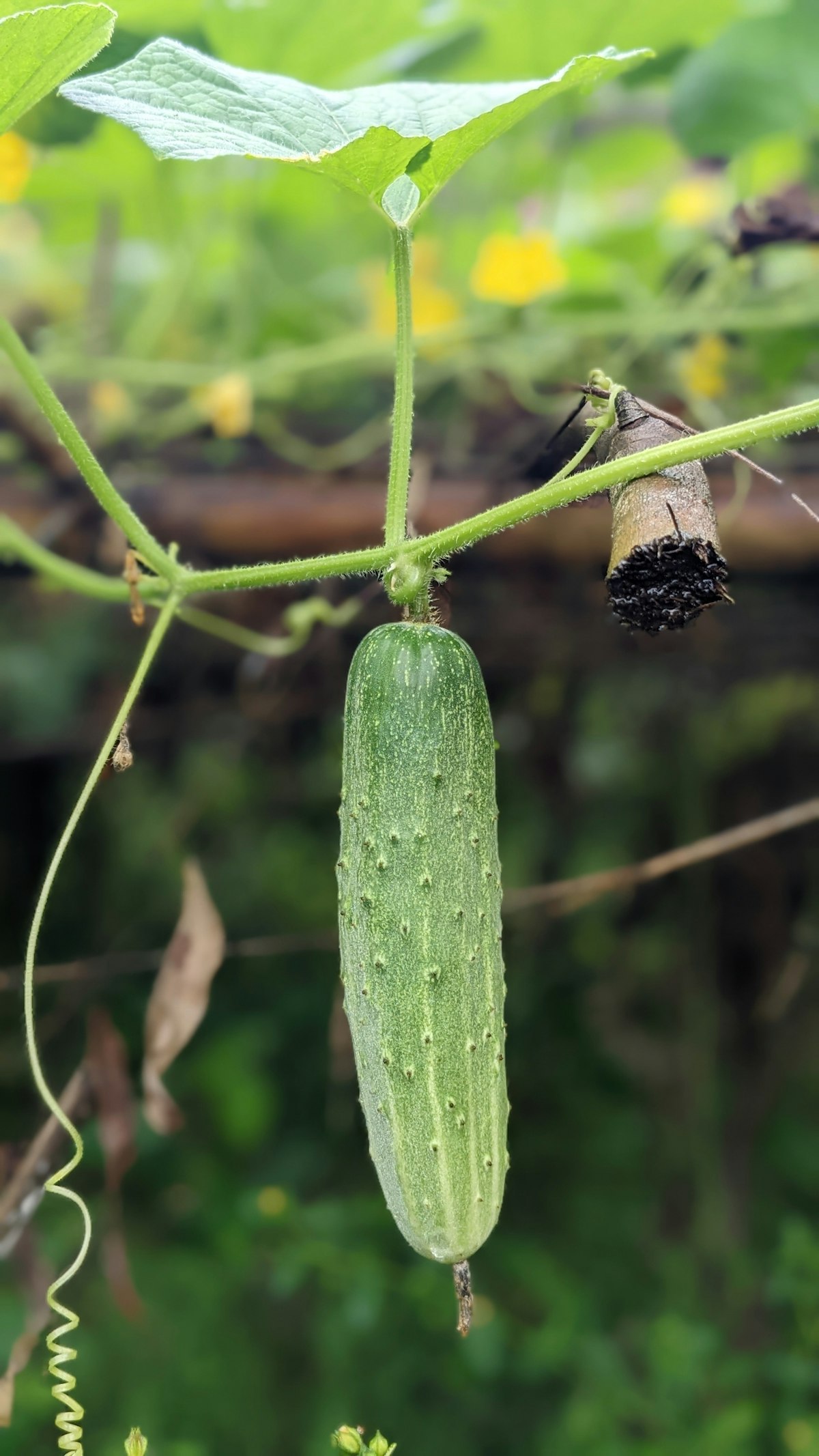
Cucumbers trained vertically produce straighter fruit with better air circulation that reduces disease. Choose vining varieties rather than compact bush types for trellising. Small-fruited varieties like lemon cucumbers and Persian types climb more easily than large slicers.
Indeterminate tomatoes grow indefinitely with proper support, eventually reaching eight feet or taller. Cherry tomatoes cascade beautifully from hanging baskets or climb strings toward greenhouse ceilings. Paste tomatoes stay manageable with regular pruning and tying.
Peas practically climb themselves, gripping supports with curling tendrils. Snow peas and sugar snaps produce at convenient picking height when grown on vertical netting. Winter squash vines climb with encouragement, though heavy fruit needs hammock support.
DIY Vertical Garden Projects
Pallet gardens transform free shipping pallets into instant vertical planters. Stand a pallet upright, staple landscape fabric across the back and bottom, fill with soil, and plant through the slat openings. Herbs, strawberries, and lettuce thrive in these rustic planters.
PVC pipe towers stack easily from hardware store materials. Drill large holes along the length of a four-inch pipe, cap the bottom, fill with soil, and plant seedlings in each opening. A single tower holds a dozen plants in one square foot of ground space.
Rain gutter gardens mount horizontally on fences or walls, creating shallow planting channels perfect for lettuce, spinach, and trailing herbs. Angle slightly for drainage and paint the interior to extend lifespan.
Container Vertical Gardening
Large containers serve as anchors for vertical structures. A half-barrel planter holds enough soil for pole beans climbing a central teepee of bamboo stakes. Wheeled planters with built-in trellises relocate easily to follow sunlight patterns.
Hanging baskets extend growing space above ground level. Trailing tomatoes, strawberries, and herbs cascade from suspended containers without occupying any floor space. Mount basket brackets on walls, pergola beams, or freestanding shepherd’s hooks.
Balcony and Patio Vertical Gardens
Apartment gardeners face unique challenges including weight limits, wind exposure, and limited anchor points. Tension rod systems press between floor and ceiling without drilling, supporting lightweight fabric pocket planters. Railing-mounted boxes extend growing area beyond the balcony footprint.
Consider sun patterns carefully in vertical installations. Morning sun from the east suits leafy greens, while full south exposure powers fruiting vegetables. Reflected light from white walls supplements direct sun in shadowy locations.
Wind protection matters more as plants climb higher. Solid barriers create turbulence, while permeable screens reduce wind speed without causing eddies. Stake and tie plants securely to prevent wind damage to stems.
Watering Vertical Gardens
Gravity works against you in vertical systems, pulling water downward past root zones. Drip irrigation with emitters at each planting site ensures even moisture distribution. Timer-controlled systems water automatically during optimal early morning hours.
Self-watering planters include reservoirs that wick moisture upward into soil. These systems buffer against missed waterings and reduce frequency in hot weather. Check reservoir levels weekly and refill before plants show stress.
Hand watering vertical gardens requires reaching high positions and applying water slowly to prevent runoff. Long-handled watering wands attach to hoses for overhead access. Water each level thoroughly before moving to the next.
Weight and Structural Considerations
Wet soil weighs approximately seventy-five pounds per cubic foot, plus the weight of containers and mature plants. Calculate total load before mounting anything on walls or overhead structures. Reinforce as needed with additional brackets or supporting posts.
Wall-mounted systems need secure attachment to studs, not just drywall. Use appropriate anchors for masonry walls. When in doubt, consult a contractor about structural capacity.
Freestanding structures should anchor firmly against wind loads. Bury posts at least two feet deep for tall trellises, or attach guy wires to ground stakes. Top-heavy towers need wide bases or ballast weighting to prevent tipping.
Vertical gardening expands possibilities for every growing space. By training plants upward instead of outward, you multiply production from limited ground area while creating living screens that beautify outdoor rooms. Start with simple supports and expand your vertical garden as you discover what works best in your space.