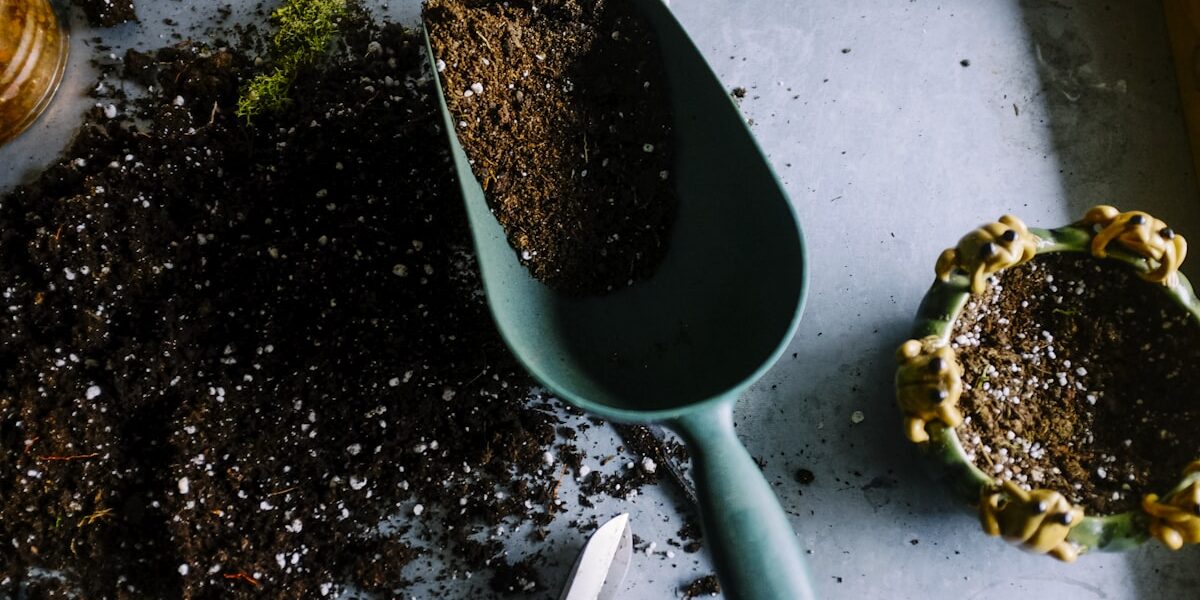
The Best Potting Soil: What You Need to Know
Potting soil has gotten complicated with all the brand claims and conflicting ingredient advice flying around. As someone who’s killed enough plants by using the wrong mix — and spent years figuring out what actually matters — I learned everything there is to know about potting soil. Today, I’ll share it all with you.
That’s what makes potting soil endearing to us container gardeners — it’s one of the few inputs you have total control over. Get the mix right and plants almost grow themselves. Get it wrong and no amount of watering or fertilizing compensates.
Understanding Potting Soil
Potting soil, also called potting mix, is the growing medium for plants in containers. It needs to provide nutrients, retain moisture, and support roots. Unlike garden soil, which is typically dense and compacted, potting mix is lighter and aerated so roots can access oxygen and nutrients. That structural difference is what matters most.
Components of Potting Soil
- Peat Moss: Retains moisture well and is lightweight. Provides a stable environment for roots.
- Perlite: A volcanic material that improves drainage and aeration. Essential for preventing root rot.
- Vermiculite: Increases water and nutrient retention. Balances perlite’s drainage effect.
- Bark or Wood Chips: Adds organic material and enhances drainage. Reduces soil compaction over time.
- Coconut Coir: A renewable alternative to peat moss with similar moisture retention. Better environmental profile.
- Compost: Supplies nutrients and beneficial microbes. Revitalizes the soil’s biological activity.
Essential Characteristics of Good Potting Soil
Good potting soil balances moisture retention with drainage, supports root development, and is free of weed seeds or harmful pathogens. Nutrient content matters, but the specifics vary with plant type. Don’t over-index on any single ingredient — the balance is what counts.
Pore Space and Aeration
Potting soil needs adequate pore space so air reaches plant roots. Dense soil restricts root growth and creates the anaerobic conditions that cause root rot. Probably should have led with this section, honestly — it’s the underlying reason so many container plants fail.
pH Value
Most plants thrive in a slightly acidic to neutral pH of around 6.0 to 7.0. Some specialized plants need different ranges. Knowing your plant’s requirements before you buy saves the trouble of amending soil after the fact.
Free from Contaminants
Quality potting mix should be free from weed seeds, fungus, and harmful bacteria. Most commercial brands sterilize their products for this reason. Check labels for quality assurances — it’s worth paying attention to.
Soil Texture
Good potting soil feels crumbly and easy to work with. Not too sandy, not too clayey. The goal is a balance that maintains moisture without compromising drainage. If a bag feels unusually heavy, it often contains too much dense filler.
Types of Potting Soil
All-Purpose Potting Mix
Works for a wide range of plants. Contains a balanced mix of organic materials and mineral components. The right starting point for beginners growing houseplants or general container plants.
Seed Starting Mix
Fine texture designed specifically for germination. Encourages healthy root development and avoids compacting around fragile seedlings. Worth using for starts rather than improvising with regular potting mix.
Succulent and Cactus Mix
Higher sand content for exceptional drainage. I’m apparently someone who kept killing succulents in standard potting mix, and a fast-draining cactus blend works perfectly while regular mix never lets roots dry out quickly enough. The extra drainage is not optional for these plants.
Orchid Mix
Specially formulated for epiphytes with larger bark particles that simulate natural growing conditions. Using standard potting mix on orchids is one of the most common ways to lose them quickly.
Organic Potting Mix
Made from natural, non-synthetic ingredients including compost and organic fertilizers. Popular with gardeners who prefer avoiding synthetic inputs. Generally performs well and improves soil biology over time.
Evaluating Potting Soil Brands
- Ingredients: Look for recognizable, beneficial components on the label.
- Customer Reviews: Other gardeners’ experiences with specific plant types are worth reading.
- Testing and Certification: Brands that test for pH, nutrient content, and purity are worth the premium.
- Price vs. Value: More expensive doesn’t always mean better — compare ingredients rather than price tags.
Recommended Potting Soil Brands
- Miracle-Gro: All-purpose potting mix enriched with fertilizers for extended nutrition release. Widely available and consistently reliable.
- FoxFarm: Organic mixes with high-quality ingredients including bat guano and earthworm castings. Popular with serious growers.
- Espoma: Organic potting mixes with mycorrhizae and beneficial microbes. Good for gardeners focused on soil biology.
- Roots Organics: Natural and sustainable materials with rich organic content. A strong option for vegetable and herb containers.
DIY Potting Soil Options
Making your own mix gives you complete control over ingredients. A basic recipe to start with:
- 1 Part Peat Moss or Coconut Coir: Moisture and nutrient retention.
- 1 Part Perlite or Vermiculite: Drainage and aeration.
- 1 Part Compost: Organic nutrients and beneficial organisms.
Adjust based on your plants. Add extra sand for succulents, more compost for heavy-feeding vegetables.
Enhancing DIY Potting Soil
Lime adjusts pH if needed. Slow-release fertilizers extend nutrient availability. Some gardeners add biochar for its carbon content and microbial habitat — a small addition that can have a noticeable effect on soil health over time.
Storing Potting Soil Correctly
Store unused mix in a sealed container in a cool, dry place. A tight lid keeps out pests and prevents moisture from degrading the mix. Potting soil stored carelessly often introduces problems into whatever you plant in it next.
Signs Your Potting Soil Needs Replacement
- Compaction or noticeably poor drainage.
- Unpleasant odor indicating decay or anaerobic conditions.
- Visible mold or fungus growth on the surface.
- Plants showing poor health despite correct watering and light.
Refreshing or replacing soil at the start of each growing season is a simple habit that prevents most container plant problems before they start.