
Growing Herbs: A Practical Guide
Herb gardening has gotten complicated with all the specialized potting mixes and conflicting watering advice flying around. As someone who’s been growing herbs in various conditions for years—killing plenty of basil along the way—I learned everything there is to know about keeping these aromatic plants thriving. Today, I will share it all with you.
Herbs are versatile plants that can be grown in almost any environment. Whether you have a sprawling garden or a small balcony barely large enough for a chair, herbs offer freshness and flavor to your kitchen. They’re not just for culinary purposes either. They provide legitimate health benefits and add that essential greenery to your living space that makes it feel alive.
Choosing the Right Location
Most herbs prefer a sunny spot—they’re sun worshippers at heart. Six to eight hours of sunlight per day will keep your plants genuinely happy and productive. If direct sunlight is limited in your space, employ a grow light. This tool can mimic natural light conditions surprisingly well. For apartment dwellers, windowsills are a viable option. They catch enough light and are conveniently located right where you’re cooking anyway.
Preparing the Soil
Probably should have led with this section, honestly.
Quality soil is crucial—you can’t just dig up dirt from your yard and expect miracles. Herbs thrive in well-drained soil. They absolutely do not like to sit in waterlogged earth, which leads to root rot faster than you’d think. Consider using a mixture of potting soil and perlite. This blend improves drainage significantly. If you are planting outside, mix compost into the soil. It enriches the ground and promotes healthy growth without the chemicals.
Basic Tools and Containers
Containers offer flexibility for indoor or outdoor herb gardening. Pots should have drainage holes to prevent root rot—non-negotiable. Terracotta, ceramic, or plastic pots are all viable options. Choose opaque ones to avoid algae growth on the soil surface. Tools like trowels, pruners, and watering cans simplify the gardening process. A good set of gloves can spare you from scratches, blisters, and the inevitable dirt under your fingernails.
Popular Herbs to Grow
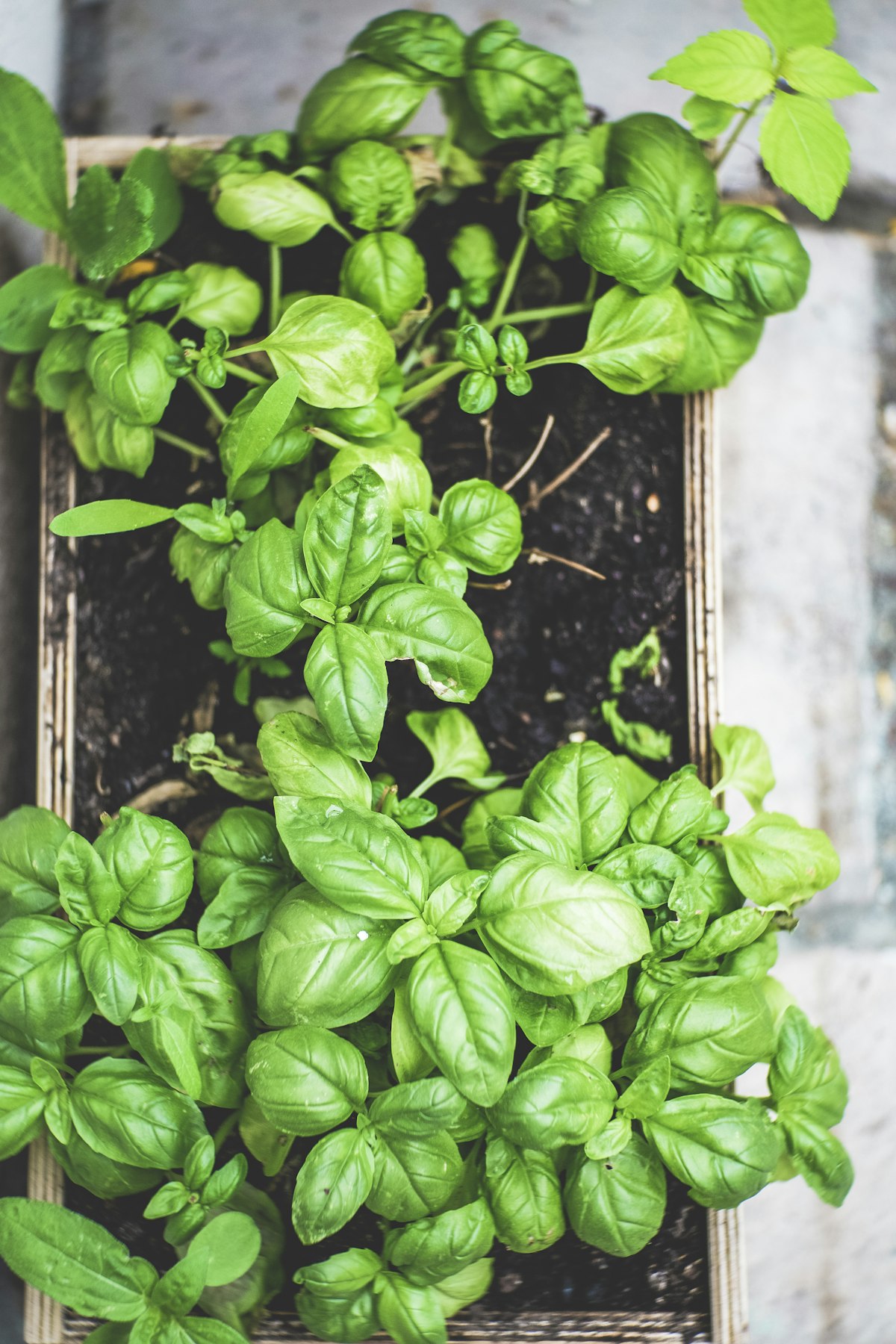
- Basil: This annual herb thrives in warm weather and sulks in the cold. It’s commonly used in Mediterranean dishes, from caprese salads to pesto. Harvest leaves regularly to encourage bushy growth—pinch those tops constantly.
- Mint: Known for its vigorous growth, mint can quickly take over your entire garden bed if left unchecked. Grow it in a pot to control its aggressive spread. It adds a refreshing flavor to beverages, desserts, and even savory dishes.
- Cilantro: Often used in Asian and Latin American dishes, cilantro is best harvested young to prevent bolting in hot weather. Pinch off flower buds to prolong leaf production—once it flowers, the flavor changes.
- Rosemary: A woody perennial, rosemary requires more patience to grow than annual herbs. It prefers sandy soil and dry conditions, almost Mediterranean. Regular pruning ensures dense foliage and prevents it from getting leggy.
- Thyme: This hardy perennial is used extensively in French cuisine. It’s drought-resistant but benefits from occasional watering during extended dry spells—basically indestructible.
Watering Techniques
Overwatering is a common mistake that kills more herbs than anything else. Establish a watering routine based on your specific herbs’ needs. Most prefer the top inch of soil to dry out before watering again. Signs of dehydration include wilted leaves, whereas overwatered plants may have yellowing leaves and a soggy smell. Use your finger to test soil moisture—low-tech but effective.
Fertilization and Feeding
Herbs generally require minimal fertilization compared to vegetables. Over-fertilizing can lead to lush but flavorless foliage—all show, no flavor. Use a balanced organic fertilizer. A monthly feeding during the growing season is sufficient. Dilute liquid fertilizers to half strength for best results. Slow-release granules offer a low-maintenance option for busy gardeners who forget to feed regularly.
Pest Management
Herbs are relatively resistant to pests—their aromatic oils naturally deter many insects. However, aphids, spider mites, and whiteflies can still cause issues. Encourage beneficial insects like ladybugs. They naturally reduce pest populations without chemicals. Insecticidal soap or neem oil offers organic pest control. Maintain air circulation to prevent fungal diseases like powdery mildew that love stagnant, humid conditions.
Harvesting Tips
Correct harvesting prolongs plant life and increases yield throughout the season. For leafy herbs, avoid taking more than a third of the plant at once—it needs leaves to continue photosynthesizing. Use clean, sharp scissors or pruners to prevent damage and disease transmission. Morning harvests capture the most flavor when essential oils are concentrated. During blooming, focus on cutting the flowers as they appear, keeping the plant from seeding and ending its productive life.
Herbs for Health Benefits
Many herbs offer more than culinary value—they’re packed with health benefits that traditional medicine has recognized for centuries. Mint aids digestion. Rosemary boosts memory and concentration. Basil acts as an anti-inflammatory. They provide a natural means to improve wellness without pills or supplements.
Companion Planting
Some herbs benefit from being planted alongside certain vegetables. Basil deters pests from tomatoes—they’re natural companions. Oregano aids broccoli and cabbage growth by repelling cabbage moths. Companion planting enhances flavor and increases yield. Mix compatible plants to optimize your garden space and create a more resilient ecosystem.
Culinary Uses
That’s what makes herb gardening endearing to us home cooks—the connection between what you grow and what you eat is immediate and satisfying.
The versatility of herbs in culinary arts is vast. Basil complements tomato-based dishes. Mint is refreshing in salads, teas, and even cocktails. Thyme enhances roasted vegetables and meats. A handful of fresh herbs can transform an ordinary meal into something extraordinary—that’s the real magic of growing your own.


Stay in the loop
Get the latest wildlife research and conservation news delivered to your inbox.