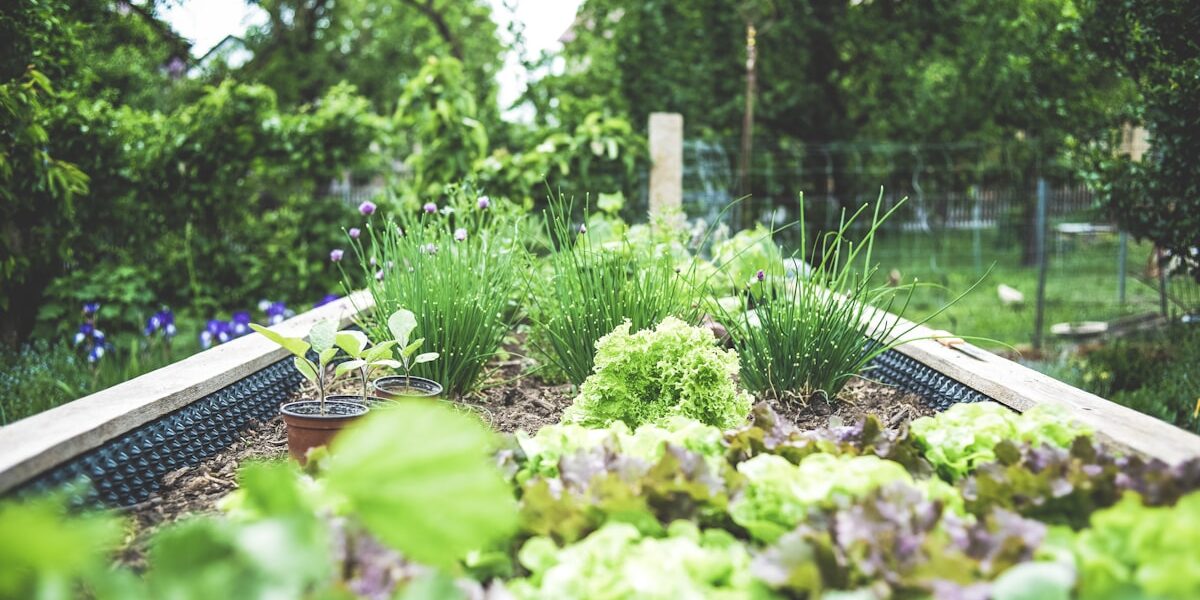
Square foot gardening revolutionized small-space growing when Mel Bartholomew introduced the method in 1981. By dividing growing areas into precise one-foot squares, gardeners maximize production while minimizing waste, water, and weeding. Whether you have a tiny balcony or modest backyard, this systematic approach delivers impressive harvests from surprisingly compact spaces.
Square Foot Gardening Basics
The foundation of square foot gardening lies in Mel’s Mix, a soil blend specifically designed for raised bed growing. Combine equal parts peat moss or coconut coir, vermiculite, and blended compost from multiple sources. This mixture drains perfectly, retains moisture without compacting, and provides nutrients throughout the growing season.
The grid layout distinguishes square foot gardens from traditional row planting. Create visible divisions using string, wooden slats, or thin strips of material stretched across your bed. These physical boundaries help you plant precisely and resist the temptation to overcrowd.
Planning Your Squares
Plant spacing in square foot gardening follows simple math based on traditional row recommendations. If spacing calls for twelve inches between plants in rows, plant one per square. Six-inch spacing translates to four plants per square arranged in a two-by-two pattern. Three-inch spacing allows nine plants, and plants needing only minimal space fit sixteen per square.
Large plants like tomatoes, peppers, and eggplants need one entire square each. Medium vegetables including lettuce, kale, and Swiss chard fit four per square. Smaller crops like carrots, radishes, and onions grow at nine or sixteen per square depending on variety. Tiny seedlings like salad greens can pack even more densely.
Building Raised Beds for Square Foot Gardening
Standard square foot garden beds measure four feet by four feet, creating sixteen plantable squares within easy reach from all sides. Wider beds require reaching across planted squares, risking soil compaction and plant damage. Depth should run at least six inches, with twelve inches preferred for root vegetables and deeper-rooted crops.
Untreated cedar and redwood resist rot naturally without chemicals that might leach into soil. Pine and fir work for budget builds but last only three to five years. Concrete blocks create permanent beds without any wood, while galvanized metal stock tanks offer modern aesthetic appeal.
Place beds on level ground with full sun exposure for vegetables. Lay cardboard or landscape fabric beneath to suppress weeds, then fill completely with Mel’s Mix. The bed settles slightly after watering, so mound soil an inch above the frame edges initially.
Succession Planting in Small Spaces
Square foot gardening truly shines when combined with succession planting strategies. As soon as one crop finishes, replant that square immediately with something new. Spring lettuce gives way to summer beans, which yield to fall spinach in the same twelve inches of space.
Keep transplants ready in small containers to pop into harvested squares without delay. A single four-by-four bed can produce three or four complete crops annually with careful planning and quick transitions between plantings.
Best Crops for Square Foot Gardens
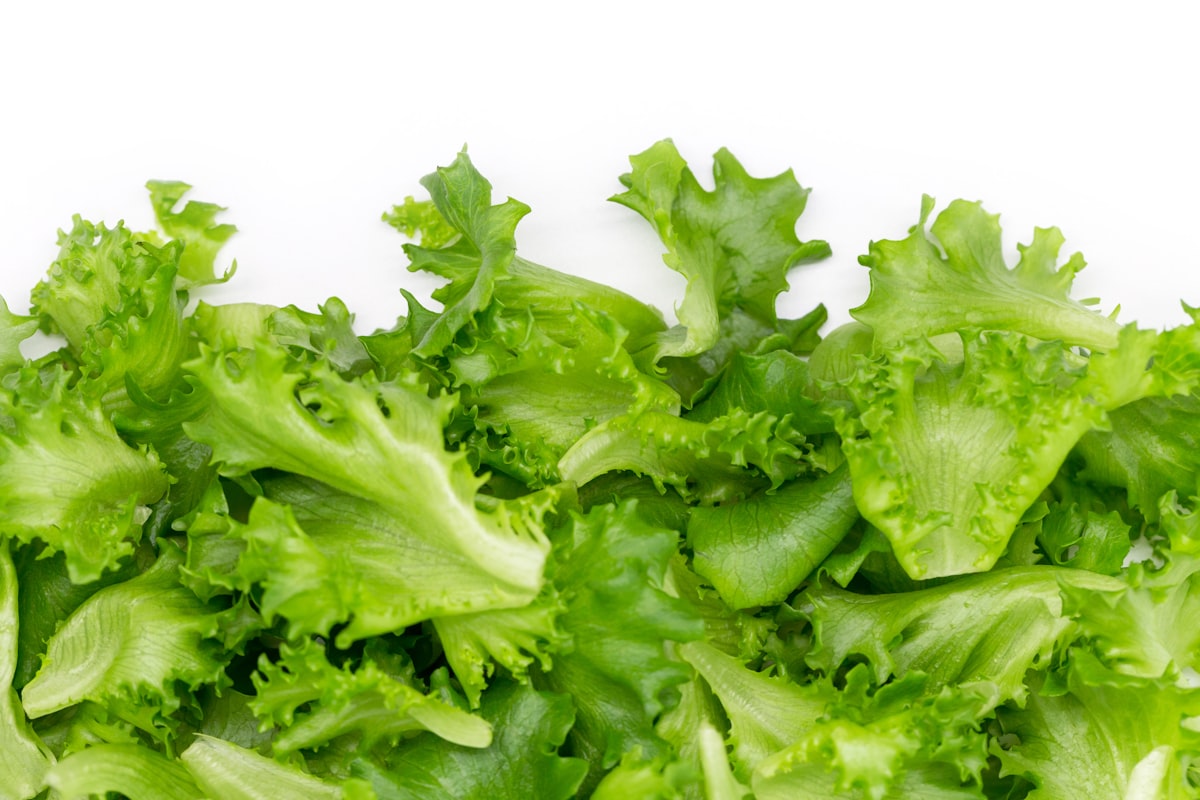
Leafy greens deliver exceptional value in square foot systems. Lettuce, spinach, arugula, and Asian greens produce continuous harvests when you pick outer leaves and allow centers to keep growing. Herbs like basil, parsley, and cilantro thrive at four per square.
Compact vegetable varieties bred for containers excel in square foot beds. Bush beans produce heavily without needing poles. Determinate tomatoes stay manageable with simple stakes. Patio cucumbers and bush zucchini yield full-size fruit on plants half the size of standard varieties.
Root vegetables work beautifully despite limited depth. Radishes mature quickly at sixteen per square. Carrots grow at sixteen for small varieties or nine for larger types. Beets produce both greens and roots at nine per square.
Vertical Growing in Square Foot Gardens
Adding vertical elements multiplies your growing space dramatically. Install sturdy trellises along the north side of beds to avoid shading other squares. Pole beans, cucumbers, and small melons climb upward, leaving ground squares free for other crops.
Count vertical crops as occupying only their ground square despite spreading several feet upward. A single square supporting climbing beans produces more than an entire row of bush varieties in traditional gardens.
Watering and Maintenance Tips
Water individual squares as needed rather than the entire bed uniformly. Newly planted seeds need consistent moisture, while established plants tolerate brief dry periods. The loose Mel’s Mix drains quickly, so daily watering benefits most summer crops.
Hand watering with a gentle wand allows precise application without disturbing soil or splashing leaves. Drip irrigation systems work perfectly in grid layouts, with one emitter centered in each square.
Weeding takes minutes rather than hours in square foot gardens. The few weeds that emerge pull easily from loose soil. Add fresh compost to each square after harvest to maintain fertility without additional fertilizers.
Square foot gardening transforms limited outdoor space into productive vegetable gardens. The structured approach removes guesswork from planting while maximizing every inch of growing area. Beginners achieve immediate success, and experienced gardeners discover new efficiency in this elegant system.