March is the month that separates prepared gardeners from scrambling ones. The ground is thawing, the seed catalogs have been picked over, and there’s a narrow window to get your beds, soil, and plans in order before planting season hits full speed. Here’s what to focus on right now to set yourself up for a productive growing year.
Assess Last Year’s Damage
Before you add anything to your garden, take a hard look at what’s already there. Winter does a number on raised beds, trellises, and edging. Walk your garden and check for:
- Raised bed boards that have warped, rotted, or separated at the corners
- Trellis posts that are leaning or have loosened in the ground
- Paths that have washed out or gotten overgrown
- Mulch that has decomposed down to almost nothing
Fix structural issues now, before you’ve got plants in the way. Replacing a rotted board on a raised bed takes 15 minutes in March and becomes a frustrating afternoon project in June when tomatoes are sprawling everywhere.
Test Your Soil (For Real This Time)
Most gardeners skip soil testing and just dump in compost and hope for the best. That works — sort of. But a $15 soil test from your county extension office tells you exactly what your soil needs, which saves money on amendments and produces better results.
You’re looking for three things: pH level, macronutrient levels (nitrogen, phosphorus, potassium), and organic matter percentage. Most vegetables prefer a pH between 6.0 and 7.0. If your soil is too acidic, add garden lime. Too alkaline, add sulfur. These adjustments take weeks to work, which is why testing in March matters — you need time before planting.
Prep Your Beds
If your beds are workable (soil crumbles when squeezed, doesn’t form a muddy ball), it’s time to prep. Pull any remaining plant debris from last season. Add 2-3 inches of compost and work it into the top 6-8 inches of soil with a garden fork. Don’t use a rototiller on established beds — it destroys soil structure and brings weed seeds to the surface.
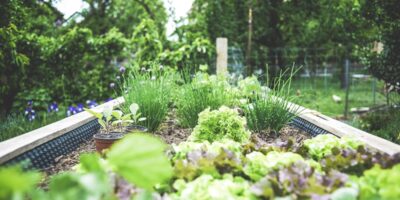
For raised beds, top-dress with compost and let the worms do the mixing. Raised bed soil settles over winter, so you may need to add a few inches of a compost-topsoil blend to bring the level back up.
Start Seeds Indoors (If You Haven’t Already)
For most of the country, late March is the right time to start tomatoes, peppers, and eggplant indoors. These warm-season crops need 6-8 weeks of indoor growing before transplanting outside after your last frost date.
You don’t need a fancy setup. A sunny south-facing window works for small batches. For more than a dozen starts, a basic shop light with daylight-spectrum bulbs hung 2-3 inches above the seedlings will outperform any window. Keep the lights on for 14-16 hours a day and use a timer so you don’t forget.
The most common mistake with seed starting is overwatering. Seedlings need moist soil, not wet soil. Water from the bottom by setting your trays in a shallow dish of water and letting the soil wick it up. This keeps the surface drier and reduces damping-off disease.
Plan Your Layout
Crop rotation matters more than most home gardeners realize. Planting tomatoes in the same spot every year builds up soil-borne diseases specific to that plant family. Rotate your nightshades (tomatoes, peppers, eggplant), brassicas (broccoli, cabbage, kale), and legumes (beans, peas) to different beds each year on a 3-4 year cycle.
If you only have one or two beds, at minimum move your tomatoes to a different spot than last year and add fresh compost to the old location.
The March Checklist
Keep it simple. This week, aim to complete three things: assess and repair any structural damage, test your soil or at minimum add compost to all beds, and start your warm-season seeds indoors. Everything else — ordering mulch, setting up irrigation, planning your herb spiral — can wait until April.
The gardeners who have the best seasons aren’t the ones who do the most. They’re the ones who do the right things at the right time. March is for foundation work. Get it done now, and May will feel effortless.


Stay in the loop
Get the latest wildlife research and conservation news delivered to your inbox.