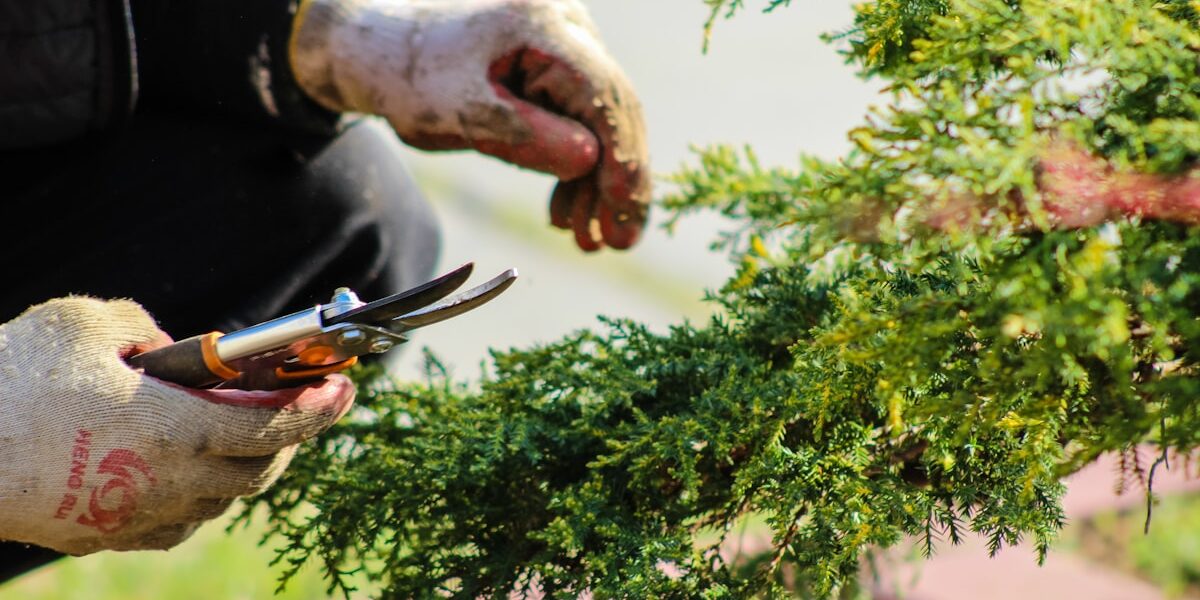
Dull pruning shears don’t cut—they crush, tear, and damage plant tissue. This creates ragged wounds that heal slowly and invite disease. The good news? Sharpening your pruning shears takes just 5 minutes and dramatically improves their performance. Here’s how to do it right.
What You’ll Need
- Diamond file or whetstone (medium grit)
- Clean rag
- Light machine oil or WD-40
- Screwdriver (for disassembly if needed)
Understanding Bypass Pruner Anatomy
Most quality pruners are bypass style—one sharp blade slides past a flat “anvil” blade, like scissors. Only the curved cutting blade needs sharpening. The flat blade just needs to be clean and straight.
Look at your pruner: the cutting blade has a beveled edge (angled on one side, flat on the other). You’ll sharpen only the beveled side, maintaining the factory angle—usually about 20 degrees.
Step-by-Step Sharpening
Step 1: Clean the Blade (30 seconds)
Wipe off dirt and sap with a rag dampened with rubbing alcohol. Dried sap resists water but dissolves in alcohol. For heavy buildup, let the alcohol soak for a minute before wiping.
Step 2: Inspect for Damage (15 seconds)
Look for nicks, chips, or bent areas. Minor nicks can be filed out. Major damage may require professional sharpening or blade replacement.
Step 3: Sharpen the Beveled Edge (2-3 minutes)
Hold the file at the same angle as the existing bevel—usually about 20 degrees. Use smooth strokes from the base of the blade toward the tip, following the curve. Apply moderate pressure on the push stroke, lift on the return.
Count your strokes: 10-15 passes usually suffice for routine maintenance. For dull blades, you may need 20-30 passes. You’ll feel the blade getting sharper as a slight burr develops on the flat side.
Step 4: Remove the Burr (30 seconds)
That burr on the flat side needs to go. Lay the file flat against the inside (flat side) of the blade and make 2-3 light passes. This removes the burr without changing the blade geometry.
Step 5: Oil and Reassemble (30 seconds)
Apply a drop of oil to the blade, pivot point, and spring. Work the pruners open and closed several times to distribute the oil. Wipe off excess.
Testing Your Edge
A sharp pruner should slice through paper cleanly. Try cutting a piece of newspaper—it should cut, not tear. On plants, sharp blades leave smooth cuts with no crushing or tearing.
How Often to Sharpen
- Light use: Once or twice per season
- Regular use: Monthly during growing season
- Heavy use: Weekly or when cuts become ragged
- Always: After cutting diseased plants (disinfect too)
Maintaining Your Edge Between Sharpenings
Clean after each use: Wipe blades with an oily rag before storing. Sap left on blades gums up and attracts debris.
Cut within capacity: Using pruners on branches too thick for them damages the blade. Use loppers for anything over ½ inch diameter.
Store properly: Keep pruners closed, in a dry place. Some gardeners store them in a pot of oiled sand.
When to Replace
Quality pruners last decades with care, but eventually:
- Blades become too thin from repeated sharpening
- Springs weaken or break
- Handles crack
- Pivot becomes loose and can’t be tightened
Many premium brands (Felco, ARS, Corona) sell replacement parts, extending tool life further.
The Payoff
Five minutes of sharpening transforms your gardening experience. Sharp pruners require less effort—reducing hand fatigue and strain. Cleaner cuts mean healthier plants and faster healing. And there’s something deeply satisfying about a tool that works exactly as it should.
Put sharpening on your calendar: first of each month during growing season. Your hands—and your plants—will thank you.