Building raised beds has gotten complicated with all the Pinterest inspiration and YouTube “experts” flying around. As someone who has built more raised beds than I can count across Pacific Northwest gardens (and made every mistake along the way), I learned everything there is to know about materials, dimensions, and soil mixes. Today, I will share it all with you.
Why Raised Beds Make Sense Here
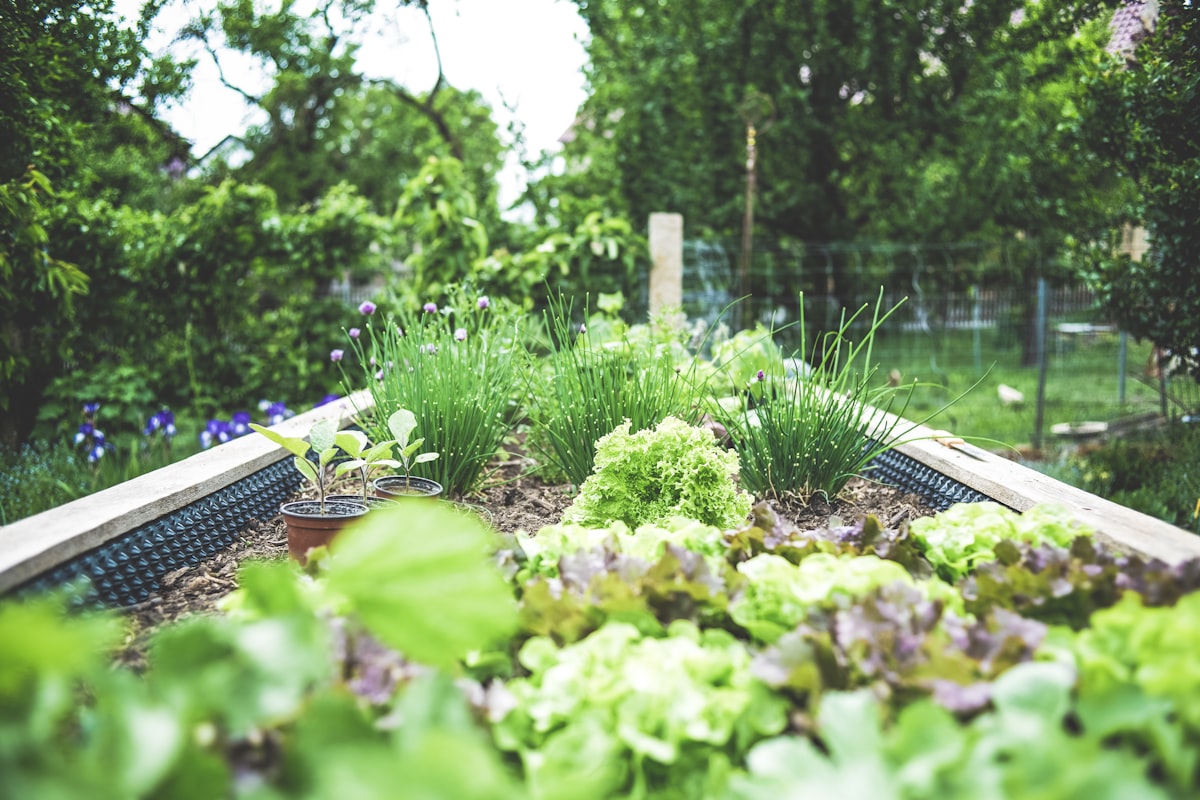
That’s what makes raised beds endearing to us Pacific Northwest gardeners—they solve our three biggest problems at once: heavy clay soil, wet winters, and short growing seasons. Whether you’re dealing with compacted urban soil, drainage issues, or just want a more organized garden, raised beds deliver advantages that in-ground planting simply can’t match.
The Real Benefits in Our Climate
Better Drainage
The most compelling reason for raised beds here is drainage. Our clay soils hold water like a sponge, creating soggy conditions that rot roots and prevent early-season planting. Raising your planting area even 6-8 inches above grade dramatically improves drainage, letting excess water escape and roots breathe.
Earlier Soil Warming
Raised beds warm faster in spring than in-ground soil. The sun heats the smaller soil mass from the top and sides, sometimes gaining 2-3 weeks of growing season. For heat-loving crops like tomatoes and peppers that struggle in our cool climate, this head start makes a real difference.
Extended Growing Season
The same thermal properties that warm soil faster in spring keep it warmer longer in fall. Combined with row covers or cold frames, raised beds can stretch your growing season from March through November.
Complete Soil Control
When you build raised beds, you control exactly what goes in them. Instead of fighting native clay or contaminated urban soil, you start with the ideal mix of topsoil, compost, and amendments. This investment pays dividends for years.
No Compaction
Well-designed raised beds eliminate walking on planting areas. Uncompacted soil drains better, allows deeper root penetration, and requires less maintenance. In our wet climate where walking on soil creates instant compaction, this benefit is substantial.
Choosing Materials
Untreated Cedar
The premium choice for Pacific Northwest raised beds. Western red cedar naturally resists rot and insects without chemical treatment. Expect 10-15 years from 2-inch thick boards. Cedar weathers to an attractive silver-gray that blends into Northwest landscapes.
Pros: Long-lasting, naturally rot-resistant, locally available, beautiful appearance
Cons: Higher cost, heavy to work with
Cost: $150-300+ per 4×8 bed depending on lumber prices
Douglas Fir
Costs less than cedar but doesn’t last as long—expect 5-8 years without treatment. Some gardeners prefer fir for the lower cost, planning to rebuild as beds age. Using thicker boards (2-inch) and lining with landscape fabric extends life.
Pros: Lower cost, locally available, easy to work with
Cons: Shorter lifespan
Cost: $75-150 per 4×8 bed
Galvanized Metal
Popular for their modern aesthetic and long lifespan. Metal won’t rot and can last 20+ years. However, metal conducts heat—faster warming is good, but summer overheating can be a problem.
Pros: Very long-lasting, modern appearance, no decay
Cons: Can overheat, sharp edges if not finished properly
Cost: $200-400+ per 4×8 bed
Concrete Blocks
Create sturdy, permanent beds inexpensively. The hollow cores can hold soil for herbs or trailing plants. Blocks do raise soil pH over time as lime leaches, which may need monitoring in our already-acidic soils.
Pros: Inexpensive, permanent, no rotting
Cons: Utilitarian appearance, may raise pH
Cost: $50-100 per 4×8 bed
Materials to Avoid
- Pressure-treated lumber: Modern ACQ treatment is copper-based and considered safer than older CCA, but many organic gardeners avoid it. If using, line the interior with plastic.
- Railroad ties: Treated with creosote, a carcinogen. Never use for food gardens.
- Pallet wood: Often treated with unknown chemicals. Only use pallets marked “HT” (heat treated) with verified origins.
- Composite decking: Contains plastics that may leach chemicals. Not recommended for food growing.
Getting Dimensions Right
Width: 4 Feet Maximum
Probably should have led with this section, honestly. You need to reach the center without stepping on soil. For most people, 4 feet maximum works—narrower if against a fence or wall.
Length: 6-12 Feet
Limited only by materials and budget. Eight feet is popular because it minimizes lumber cutting. Longer beds may need internal supports to prevent bowing.
Height: The Sweet Spot
- 6-8 inches: Minimum for improved drainage. Adequate for most vegetables but roots will grow into native soil below.
- 10-12 inches: The sweet spot for most gardens. Deep enough for all vegetables, keeps soil warmer, less bending required.
- 18-24 inches: Ideal for accessibility, root vegetables, and gardening over poor soil. Higher cost but eliminates bending.
- 30+ inches: Table-height for wheelchair access or those who cannot bend. Requires substantial soil volume.
For Pacific Northwest conditions with heavy clay underneath, 12 inches is my recommendation—deep enough for excellent drainage while keeping costs reasonable.
Site Preparation
Choosing Your Location
- Sun exposure: Most vegetables need 6-8 hours direct sunlight. South-facing locations maximize sun in our northern latitude.
- Level ground: Beds on slopes have uneven soil depth and drainage issues. Level first or build stepped beds.
- Access: Leave 2-3 foot paths between beds for walking, wheelbarrows, and kneeling.
- Water access: Locate beds within easy reach of a hose or irrigation.
Ground Preparation
You don’t need to remove sod or dig up existing soil, but some prep helps:
- Mark the outline: Use stakes and string for square corners.
- Level the area: Remove high spots and fill low areas so the frame sits evenly.
- Kill existing vegetation: Lay cardboard over grass and weeds. Smothers vegetation and decomposes into organic matter.
- Consider drainage: For severe drainage problems, dig a shallow trench and add gravel beneath the bed.
Assembly Tips
- Use exterior-grade screws, not nails. Screws hold better and allow disassembly if needed.
- Pre-drill screw holes in hardwoods like cedar to prevent splitting.
- For beds longer than 8 feet, add vertical supports every 4 feet to prevent bowing.
- Stake tall beds into the ground with rebar or wood stakes for stability.
- Line the bottom with hardware cloth (1/2-inch mesh) if gophers or moles are problems.
The Ideal Soil Mix
Don’t fill raised beds with native soil—you’ll just move drainage problems higher. Create a custom mix instead:
The Classic Mix: 60-30-10
- 60% quality topsoil: Provides structure and minerals. Avoid “fill dirt” or clay-heavy soil.
- 30% compost: Adds organic matter, nutrients, and beneficial microorganisms. Use aged compost that’s dark and crumbly.
- 10% additional amendments: Perlite or pumice for drainage, aged bark for structure.
Buying Soil in Bulk
A 4×8 foot bed that’s 12 inches deep holds about 32 cubic feet or just over 1 cubic yard of soil. Bulk delivery is far more economical than bagged soil for multiple beds:
- Look for “raised bed mix” or “garden blend” specifically formulated for vegetables
- Ask about composition—quality mixes include compost already blended
- Expect $40-80 per cubic yard for quality bulk soil plus delivery
- Order slightly more than calculated—soil compacts as it settles
Local Suppliers
In the Seattle area, reputable bulk soil suppliers include Pacific Topsoils, Tagro (Tacoma), Cedar Grove, and local landscape supply yards. Ask specifically for raised bed or vegetable garden mixes.
Maintaining Your Soil
Annual Replenishment
Soil levels drop 1-2 inches per year as organic matter decomposes. Each spring, replenish with:
- 1-2 inches of compost worked into the top few inches
- Organic fertilizer based on what you’re planting
- Additional topsoil if beds have sunk significantly
Crop Rotation
Even in raised beds, rotate crop families to prevent disease buildup:
- Don’t plant tomatoes and potatoes in the same bed two years running
- Follow heavy feeders (tomatoes, squash) with legumes (beans, peas) that add nitrogen
- Alternate root crops with leafy greens and fruiting vegetables
Cover Crops
Pacific Northwest winters are perfect for cover crops. After fall harvest:
- Plant crimson clover for nitrogen fixing and spring beauty
- Use winter rye to prevent nutrient leaching and add organic matter
- Austrian winter peas fix nitrogen and can be chopped for compost
Turn under cover crops 2-3 weeks before spring planting.
Season Extension
Raised beds adapt easily to structures that add months to your growing season:
Low Tunnels
PVC hoops covered with row cover fabric or plastic extend shoulder seasons by 4-6 weeks. The fabric allows water through while trapping heat. Install permanent anchor points on bed frames for easy cover installation.
Cold Frames
A clear-topped box over the bed creates a miniature greenhouse. Traditional cold frames use old windows; modern versions use polycarbonate panels. In the Pacific Northwest, cold frames allow winter salad production and early spring starts.
Cloches and Row Covers
Individual plant covers or floating row covers draped on crops provide frost protection. Essential for protecting tender transplants during our unpredictable springs.
Common Mistakes
Building Too Wide
A 6-foot-wide bed seems efficient until you try reaching the middle. Stick to 4 feet maximum.
Skimping on Depth
Six-inch beds don’t provide enough root zone for tomatoes, peppers, or root vegetables. 10-12 inches minimum.
Using Poor Soil
The advantage of raised beds disappears if you fill them with clay or low-quality fill dirt. Invest in good soil from the start.
Forgetting Paths
Beds placed too close together make working awkward. Plan 2-3 foot paths minimum.
Ignoring Irrigation
Raised beds dry faster than in-ground gardens. Install drip irrigation or soaker hoses before planting—it’s much harder after plants are established.
Building Your First Bed: Quick Guide
Materials for One 4×8 Foot Cedar Bed (12 inches high)
- Four 2×12 cedar boards, 8 feet long
- Four 4×4 cedar posts, 12 inches long (corner supports)
- 24 exterior wood screws, 3-inch
- Approximately 1 cubic yard of raised bed soil mix
- Cardboard for bottom layer (optional but recommended)
Assembly
- Cut two 8-foot boards to create four 4-foot lengths for the ends
- Attach 4×4 corner posts to inside corners of end boards with screws
- Attach long sides to corner posts
- Level the frame in your chosen location
- Lay cardboard on the ground inside the frame
- Fill with soil mix, leaving 1-2 inches below the rim
- Water thoroughly to settle soil; add more if needed
Your raised bed is now ready for planting. With proper soil and regular compost additions, it’ll produce abundant harvests for years to come.