Why Pruning Matters
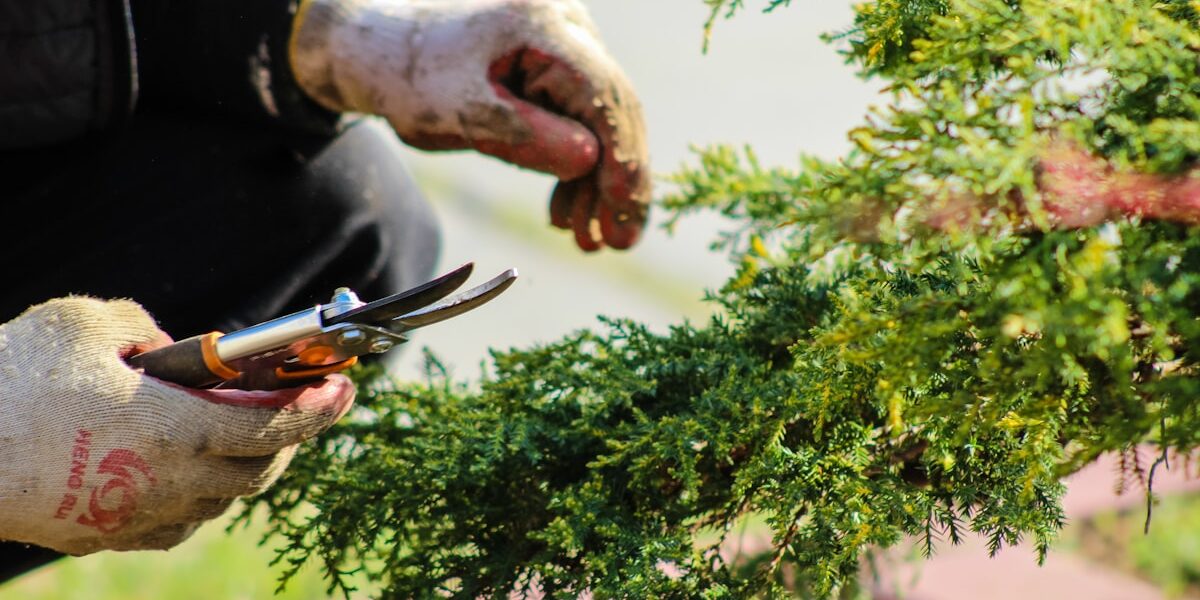
Pruning is one of the most valuable skills a gardener can develop. Proper pruning improves plant health, increases yields, shapes growth, and prevents disease. In the Pacific Northwest, where our wet conditions favor fungal diseases, pruning for air circulation becomes especially important.
Many gardeners avoid pruning, worried about making mistakes. But most plants are forgiving, and the consequences of not pruning—overcrowded growth, reduced fruiting, disease problems—are often worse than imperfect cuts.
Basic Pruning Principles
The Four D’s: What to Remove First
Before any other pruning, remove:
- Dead: Brown, brittle branches with no living tissue
- Damaged: Broken, cracked, or wounded branches
- Diseased: Branches showing signs of infection (cankers, discoloration, fungal growth)
- Deranged: Branches growing inward, crossing, or rubbing against others
This basic maintenance improves any plant and should be done whenever you notice problems.
Understanding How Plants Respond
Plants respond predictably to pruning:
- Heading cuts (cutting back to a shorter length) stimulate bushy regrowth below the cut
- Thinning cuts (removing entire branches at their origin) open up the plant without stimulating dense regrowth
- Pruning stimulates growth: Heavy pruning produces vigorous regrowth; light pruning maintains existing form
- Energy redistribution: Removing some growth directs energy to remaining parts
Making Good Cuts
- Cut at a 45-degree angle about 1/4 inch above an outward-facing bud
- For branches, cut just outside the branch collar (swollen area where branch meets trunk)—never flush with the trunk
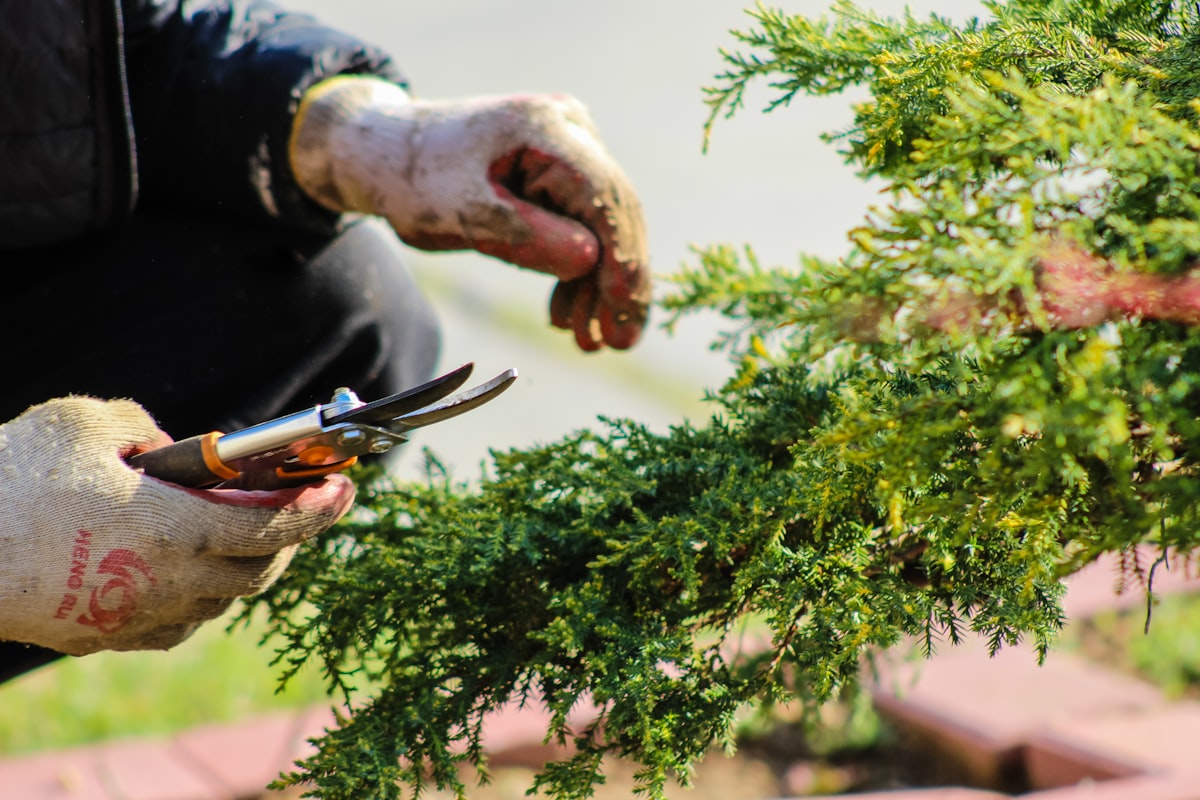
- Use sharp, clean tools for clean cuts that heal quickly
- Don’t leave stubs that invite decay
Timing Pruning in the Pacific Northwest
Late Winter (February-March)
Best time for most pruning. Plants are dormant but about to break bud, so wounds heal quickly when growth resumes.
- Fruit trees (apple, pear, cherry)
- Deciduous shrubs
- Roses
- Grapes
- Summer-blooming shrubs
After Spring Bloom
Prune spring-flowering shrubs immediately after they finish blooming—they set next year’s buds on this year’s growth.
- Rhododendrons and azaleas
- Lilacs
- Forsythia
- Spring-blooming spireas
Summer
Light pruning and training. Good time to:
- Remove water sprouts (vigorous vertical shoots)
- Shape hedges
- Deadhead flowers
- Prune tomatoes and other vegetables
- Summer-prune fruit trees to control vigor
Avoid Fall Pruning
Pruning in fall stimulates tender new growth that won’t harden before winter. In the Pacific Northwest, fall pruning also creates wounds during our wettest season when fungal diseases spread most easily.
Pruning Fruit Trees
Goals
- Create strong scaffold branches that support fruit weight
- Open center for light penetration and air circulation
- Maintain manageable size for harvest and spraying
- Balance fruiting wood and vegetative growth
Apple and Pear Trees
Train to either central leader (one main trunk) or open center (vase shape). Annual pruning in late winter:
- Remove dead, damaged, and diseased wood
- Remove water sprouts and suckers
- Thin crossing and crowded branches
- Head back overly long branches to maintain shape
- Remove some older fruiting wood to stimulate new growth
Cherry and Plum Trees
Susceptible to bacterial canker, which enters through wounds. Prune only in dry weather, preferably in summer:
- Make minimal cuts to reduce infection risk
- Never prune in fall or winter during wet weather
- Remove diseased wood immediately, sterilizing tools between cuts
Blueberries
Prune in late winter to encourage new fruiting wood:
- Remove oldest canes (thicker, gray bark) at ground level
- Thin twiggy growth at branch tips
- Keep 6-8 main canes of varying ages
- Remove low branches that will touch ground when loaded with fruit
Pruning Roses
Timing
Late February to early March in the Pacific Northwest, when forsythia blooms. Pruning too early risks frost damage to new growth; too late reduces bloom.
Hybrid Teas and Grandifloras
- Remove dead wood and canes thinner than a pencil
- Keep 4-6 healthy canes
- Cut remaining canes to 12-18 inches, angling cuts above outward-facing buds
- Remove inward-facing buds to open center
Shrub Roses and Floribundas
- Less severe pruning than hybrid teas
- Remove oldest canes at ground level
- Shape overall plant, reducing height by about one-third
- Thin crossing branches for air circulation
Climbing Roses
- Train main canes horizontally to encourage flowering side shoots
- Remove oldest canes periodically to encourage new growth
- Prune flowering side shoots back to 2-3 buds after blooming
Pruning Vegetable Plants
Tomatoes
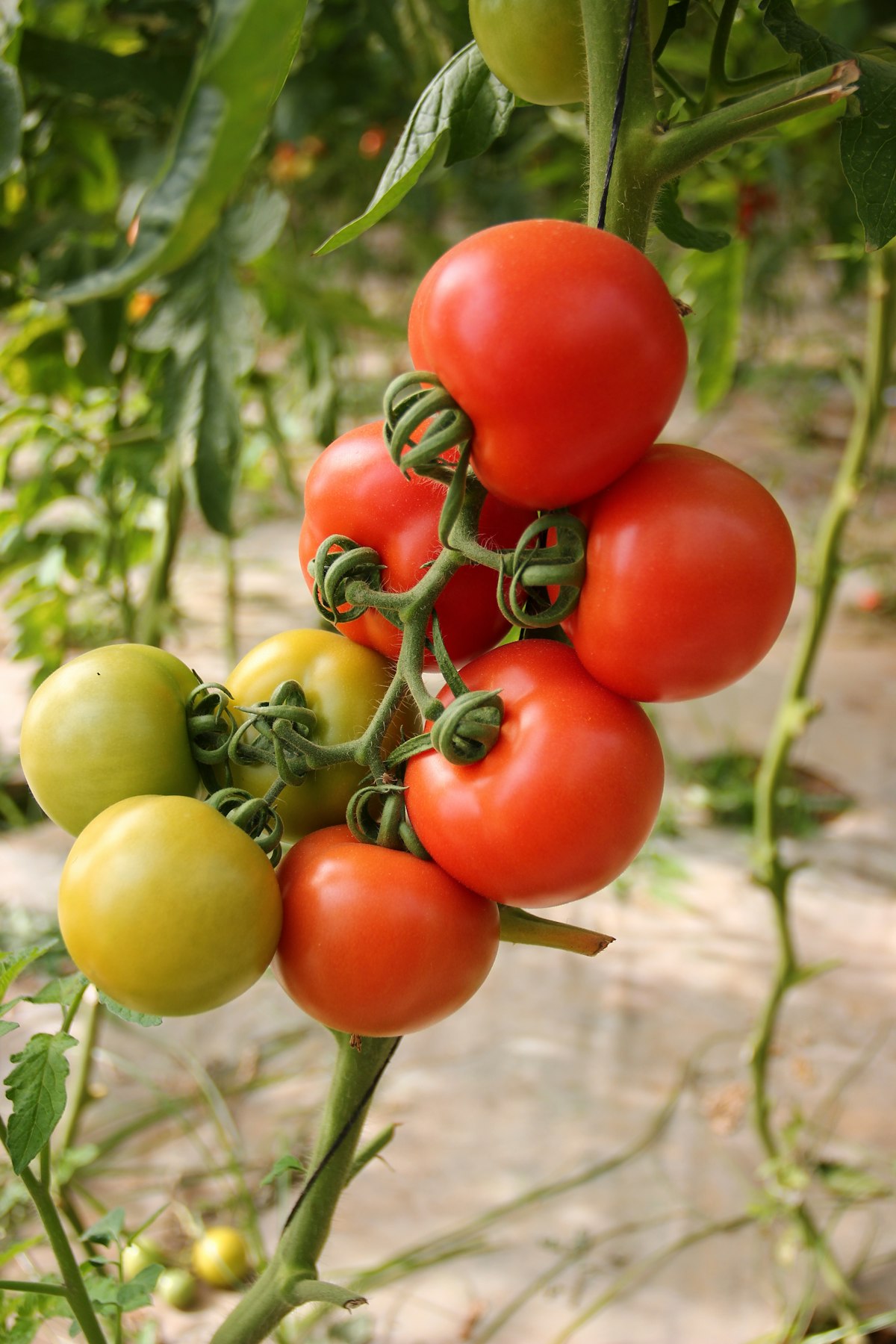
Indeterminate tomatoes benefit significantly from pruning:
- Remove suckers: Shoots that develop in leaf axils (where leaves meet stem). Pinch when small.
- Single or double leader: Allow one or two main stems for largest fruits and earliest ripening.
- Remove lower leaves: Leaves below first fruit cluster; improves air circulation and reduces disease.
- Top plants: In late summer, remove growing tips to redirect energy to ripening existing fruit.
Peppers
- Pinch early flowers to encourage plant development before fruiting
- Remove lower branches for air circulation
- Light pruning only—peppers need less intervention than tomatoes
Cucumbers and Squash
- Remove lower leaves that show powdery mildew
- Train vines on trellises by removing tendrils that grab the wrong direction
- For cucumbers, pinch lateral branches at 2 leaves to encourage fruiting
Herbs
- Harvest regularly to prevent flowering and encourage bushy growth
- Cut back by one-third when plants become leggy
- Woody herbs (rosemary, thyme, lavender): prune after flowering, never into old wood
Essential Pruning Tools
Hand Pruners (Secateurs)
For stems up to 3/4 inch diameter. Two types:
- Bypass pruners: Scissor-action for clean cuts on live wood. Preferred for most pruning.
- Anvil pruners: Cutting blade meets flat surface. Better for dead wood; can crush live stems.
Invest in quality—good pruners last decades with proper care.
Loppers
Long-handled pruners for branches 3/4 to 2 inches. The leverage of long handles makes cutting easier. Choose bypass-style for cleaner cuts.
Pruning Saw
For branches larger than loppers can handle. Folding saws are convenient; curved blades cut faster than straight ones.
Hedge Shears
For formal hedges and topiary. Not suitable for most pruning—they damage leaves and make indiscriminate cuts.
Tool Maintenance
- Clean tools after each use, especially after cutting diseased wood
- Sharpen blades regularly—sharp tools make clean cuts that heal faster
- Oil moving parts and blades to prevent rust
- Disinfect with rubbing alcohol or 10% bleach solution between plants when disease is present
Common Pruning Mistakes
Topping Trees
Cutting main branches back to stubs is harmful and unsightly. It stimulates dense, weakly attached regrowth and destroys the tree’s natural form. If a tree is too large for its space, consider removal and replacement with an appropriately sized species.
Lion-Tailing
Removing all interior growth, leaving foliage only at branch tips. This weakens branches and increases breakage risk.
Flush Cuts
Cutting branches flush with the trunk removes the branch collar, creating a larger wound that heals poorly and invites decay.
Over-Pruning
Removing more than 25% of a tree’s canopy in one year stresses the plant and stimulates excessive regrowth.
Wrong Timing
Pruning spring-blooming shrubs in winter removes flower buds. Pruning susceptible trees during wet weather invites disease.
Getting Started
If pruning seems overwhelming, start simple:
- Remove the four D’s (dead, damaged, diseased, deranged) from everything in your garden
- Learn to prune one plant type well before moving to others
- Observe how plants respond to your cuts—this teaches more than any book
- When in doubt, prune less rather than more—you can always cut more later
With practice, pruning becomes intuitive. You’ll see what a plant needs and understand how it will respond. The confidence to make pruning decisions develops through experience, one cut at a time.