
Small garden design has gotten complicated with all the competing ideas flying around. As someone who’s worked with very limited outdoor space and figured out what genuinely transforms a small garden versus what just adds clutter, I learned everything there is to know about maximizing a small plot. Today, I’ll share it all with you.
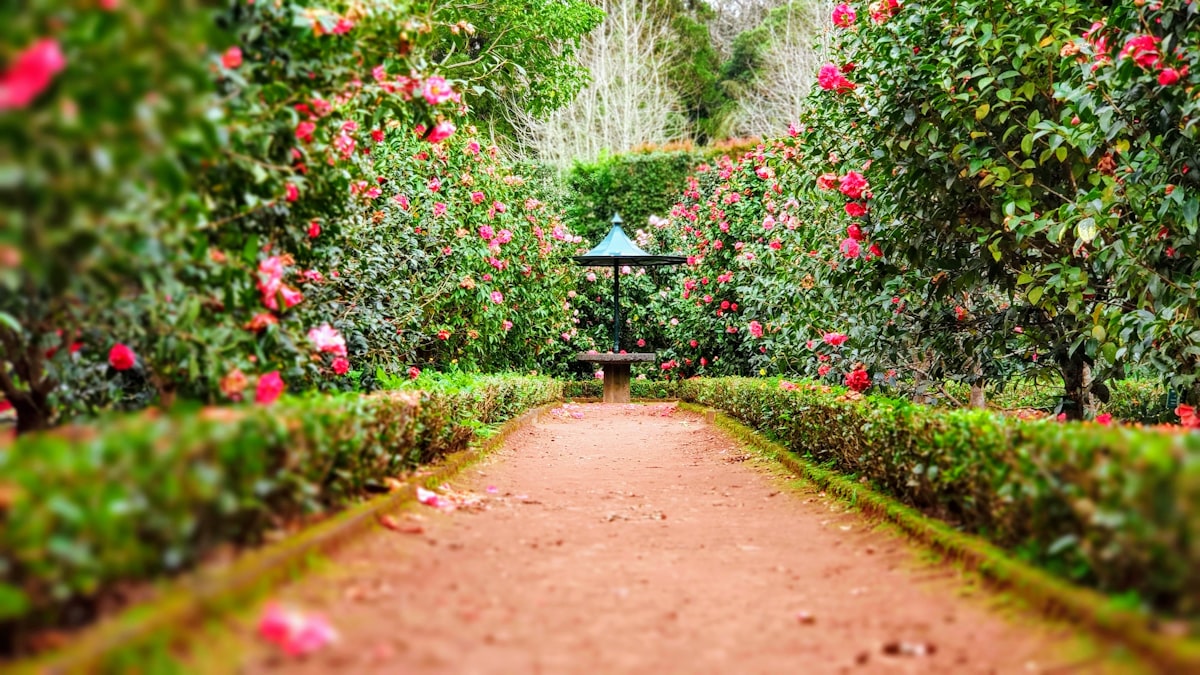
1. Vertical Gardening
Growing vertically is the highest-impact change you can make in a small garden. Trellises, wall-mounted planters, and hanging baskets turn unused vertical surface into productive growing space. Climbers like beans, peas, and cucumbers thrive on trellises and keep the ground clear. It adds visual interest at the same time — two problems solved with one approach.
2. Multi-Functional Furniture
Furniture that stores tools or cushions internally doubles its usefulness. A bench with built-in storage, a foldable table that tucks away — these choices keep pathways clear and prevent the visual clutter that makes small spaces feel cramped.
3. Container Gardening
Containers give you flexibility that in-ground planting doesn’t. You can move pots to follow the sun, rearrange the layout seasonally, and use varied heights to create depth. I’m apparently someone who started with flat arrangements, and staggered container heights work for me while same-level groupings never quite created the same sense of layered space.
4. Reflective Surfaces
Mirrors positioned to reflect light and vegetation create a genuine illusion of depth in small spaces. It’s one of those tricks that feels slightly too clever until you try it and realize it actually works. Position them to reflect the most interesting part of the garden.
5. Right-Sized Plants
Dwarf varieties and slow-growing plants keep a small garden in proportion. Plants that can be espaliered flat against a wall or fence are excellent for boundaries — you get height and structure without losing floor space. Probably should have mentioned this one earlier since oversized plants are one of the most common reasons small gardens feel crowded.
6. Raised Beds
Raised beds define space clearly and make gardening easier. They can be built in various shapes to fit awkward layouts and are excellent for growing vegetables, herbs, and flowers in tight areas. The defined edges also keep the garden looking organized rather than scattered.
7. Defined Zones
Even a small garden benefits from having distinct areas. A dining space, a growing area, a spot to sit — defined zones make the garden feel intentional. Use pathways, different ground textures, or changes in plant height to distinguish areas. Frustrated by a space that felt like one undifferentiated patch, I divided it with a simple stone path. That division took hold and eventually made the whole garden feel substantially more organized and usable.
8. Strategic Color Use
Light colors make a space feel larger — plant light-colored flowers or use light-hued pots as the dominant element. Use bold, bright colors sparingly as focal points to draw attention to specific features rather than competing everywhere at once.
9. Optimized Layout
A simple, organized design always feels more spacious than a complex one. Keep pathways clear. Maintain open areas rather than filling every square foot. A garden that has breathing room feels larger than it is; one that’s overstuffed feels smaller.
10. Small Water Features
A compact fountain or small water feature adds tranquility and reflects light in a way that opens up a space visually. The sound of moving water adds atmosphere disproportionate to the feature’s physical size.
11. Lighting
Good lighting makes a small garden feel larger at night and extends usable hours. Highlight plants or structural features with focused lights. Ambient lighting for seating areas creates inviting spaces after dark that small gardens can otherwise lack entirely.
12. Regular Maintenance
A well-maintained small garden always feels more spacious than a neglected one the same size. Regular pruning, weeding, and tidying keep sight lines open. In a small space, clutter is more noticeable than in a large one — staying on top of it matters more.
Small gardens reward thoughtful design more than large ones do. Each decision — what to plant, where to put it, how to move through the space — has a larger impact when working at smaller scale. These strategies together create a garden that feels intentional, spacious, and genuinely enjoyable to spend time in.


Leave a Reply