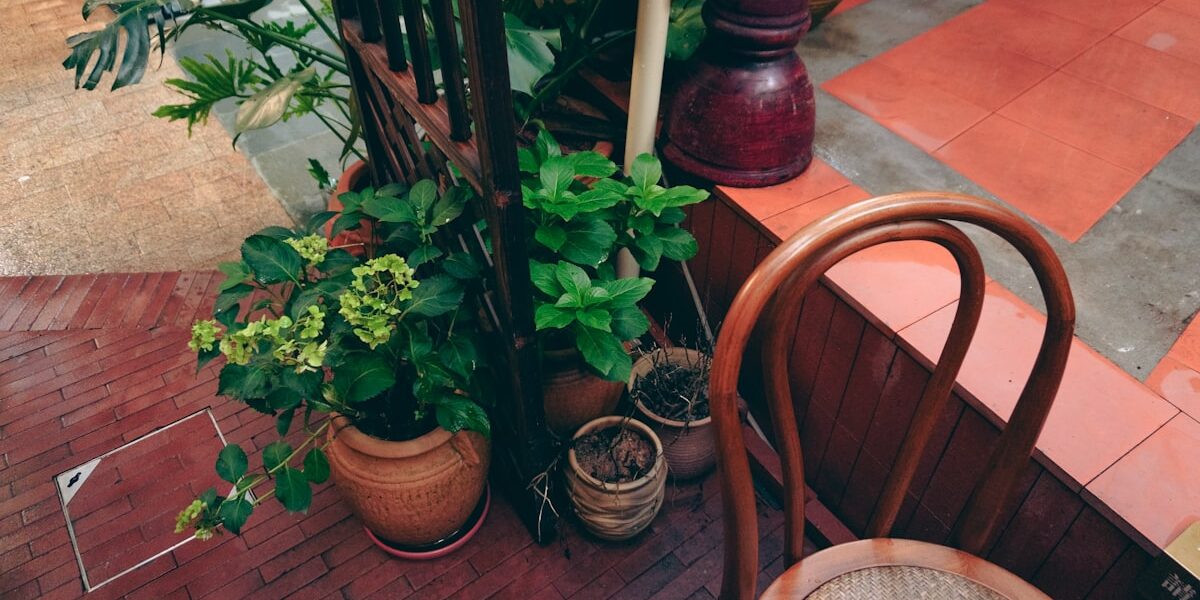
Xeriscaping isn’t just for desert dwellers anymore. As water costs rise, droughts intensify, and gardeners seek lower-maintenance landscapes, water-wise gardening has become a practical solution everywhere. The best part? Xeriscape gardens can be just as lush and beautiful as traditional landscapes—they just work smarter, not harder.
What Is Xeriscaping?
The term comes from the Greek word “xeros” (dry) combined with landscaping. Developed in Denver during the 1981 drought, xeriscaping is a systematic approach to landscape design that reduces or eliminates the need for supplemental irrigation.
Contrary to popular belief, xeriscaping doesn’t mean gravel and cactus (unless you want that). It means choosing the right plants for your conditions, placing them wisely, and using water efficiently. A well-designed xeriscape can include lawns, flowers, vegetables, and trees—all thriving without constant watering.
The Seven Principles of Xeriscaping
1. Planning and Design
Start with a site analysis. Note sun exposure, existing drainage patterns, soil types, and microclimates. Group plants by water needs—put thirsty plants together near water sources, drought-tolerant plants in drier areas. Consider mature plant sizes to avoid overcrowding.
2. Soil Improvement
Healthy soil is the foundation of water efficiency. Organic matter helps sandy soils retain moisture and helps clay soils drain better. Add 2-4 inches of compost to planting areas. For new landscapes, this single step can reduce water needs by 50%.
3. Practical Turf Areas
Lawns consume more water than any other landscape feature. Reduce turf to areas where it’s actually used—play areas, pathways, entertainment spaces. Replace ornamental lawn with groundcovers, mulch, or drought-tolerant plantings. If you keep lawn, choose drought-resistant grass varieties appropriate to your region.
4. Appropriate Plant Selection
Choose plants adapted to your climate and site conditions. Native plants have evolved to thrive on local rainfall. Mediterranean plants excel in summer-dry climates. Once established, appropriate plants need little to no supplemental water.
5. Efficient Irrigation
When watering is needed, make every drop count. Drip irrigation delivers water directly to roots with minimal evaporation. Water deeply but infrequently to encourage deep root growth. Water early morning to reduce evaporation. Use rain sensors and smart controllers to avoid unnecessary watering.
6. Mulching
Mulch is xeriscape magic. A 3-4 inch layer of organic mulch reduces evaporation by up to 70%, moderates soil temperature, suppresses weeds, and improves soil as it decomposes. Rock mulch works in some applications but can increase heat stress for plants.
7. Appropriate Maintenance
Xeriscape isn’t zero maintenance, but it is lower maintenance. Avoid over-fertilizing (which promotes water-demanding growth). Mow lawns high (3+ inches) to shade soil. Adjust irrigation seasonally. Replace failed plants with better-adapted alternatives.
Drought-Tolerant Plants That Actually Look Good
Perennials
- Lavender: Fragrant, pollinator-friendly, thrives on neglect
- Salvia: Long-blooming, comes in every color, extremely tough
- Black-eyed Susan: Native, cheerful, self-seeds reliably
- Coneflower (Echinacea): Native, medicinal, great for butterflies
- Sedum: Succulent, textural, virtually unkillable
- Yarrow: Ferny foliage, flat flower heads, spreads gently
- Russian Sage: Airy blue spikes, silvery foliage, deer resistant
- Catmint: Long bloom time, soft blue flowers, beloved by bees
Ornamental Grasses
- Blue Fescue: Compact blue mounds, cool-season grass
- Fountain Grass: Graceful plumes, movement in breeze
- Switchgrass: Native, vertical habit, fall color
- Little Bluestem: Native, copper fall color, wildlife value
Shrubs
- Butterfly Bush: Fast-growing, long-blooming, fragrant
- Rosemary: Culinary herb, evergreen, blue flowers
- Barberry: Colorful foliage, thorny (good security plant)
- Juniper: Evergreen, many forms, extremely tough
- Potentilla: Long bloom season, compact, easy care
Groundcovers
- Creeping Thyme: Fragrant, walkable, pink flowers
- Ice Plant: Succulent, brilliant flowers, fast-spreading
- Sedum groundcovers: Many varieties, textural, evergreen
- Creeping Phlox: Spring color, dense mat, easy
Design Ideas for Beautiful Xeriscapes
The Layered Garden
Create depth with three layers: tall ornamental grasses or shrubs in back, medium perennials in middle, low groundcovers and edging plants in front. This approach looks lush while using water-wise plants throughout.
The Gravel Garden
Inspired by Beth Chatto’s famous dry garden, combine gravel mulch with Mediterranean plants. Lavender, santolina, artemisia, and ornamental alliums create a sophisticated, low-water tapestry.
The Prairie Garden
Native grasses and wildflowers recreate natural ecosystems. Coneflowers, black-eyed Susans, butterfly weed, and little bluestem grass support pollinators while requiring only natural rainfall once established.
The Succulent Garden
In mild climates, combine sedums, sempervivums, agaves, and other succulents for dramatic, virtually water-free plantings. Add rocks and boulders for a naturalistic effect.
Converting an Existing Landscape
You don’t have to tear everything out at once. Phase your conversion:
Year One
- Audit current water use—identify problem areas
- Remove or reduce lawn in low-use areas
- Add mulch to all planting beds
- Upgrade to drip irrigation where practical
Year Two
- Replace struggling plants with drought-tolerant alternatives
- Improve soil in remaining beds with compost
- Create at least one showcase xeriscape bed
Year Three and Beyond
- Continue replacing plants as they fail
- Fine-tune irrigation based on observation
- Expand successful plantings
Watering Your Xeriscape
Even drought-tolerant plants need water during establishment—typically the first year or two. After that, most xeriscape plants need supplemental water only during extended drought.
Establishment watering: Water deeply once or twice weekly for the first year. This encourages deep root development.
Maintenance watering: Once established, water only when plants show stress (wilting, dull foliage). Most established xeriscapes need watering only a few times per summer, if at all.
Deep watering principle: When you do water, water deeply. Light, frequent watering creates shallow roots that require constant irrigation. Deep, infrequent watering creates drought-resistant plants.
Common Xeriscaping Mistakes
Ignoring microclimates: Even xeriscape plants can struggle in hot spots or areas with reflected heat. Match plants to specific conditions.
Overwatering: More xeriscape plants die from overwatering than underwatering. Drought-tolerant plants often have rot-prone roots.
Wrong plant, wrong place: A desert plant won’t thrive in humid shade. Choose plants adapted to your specific conditions.
Skipping soil prep: Improved soil reduces water needs for all plants. Don’t skip this crucial step.
Beyond Water Savings
Xeriscaping offers benefits beyond lower water bills:
- Less maintenance: Fewer inputs mean less work
- Wildlife habitat: Native plants support local ecosystems
- Reduced chemical use: Adapted plants need fewer pesticides and fertilizers
- Climate resilience: Gardens that handle drought handle climate uncertainty
- Year-round interest: Many xeriscape plants offer great winter structure
Water-wise gardening isn’t about sacrifice—it’s about designing smarter. With thoughtful plant selection and good design, your garden can be both beautiful and resilient, thriving through drought while you relax instead of watering.