Exploring Different Types of Ferns: A Comprehensive Guide
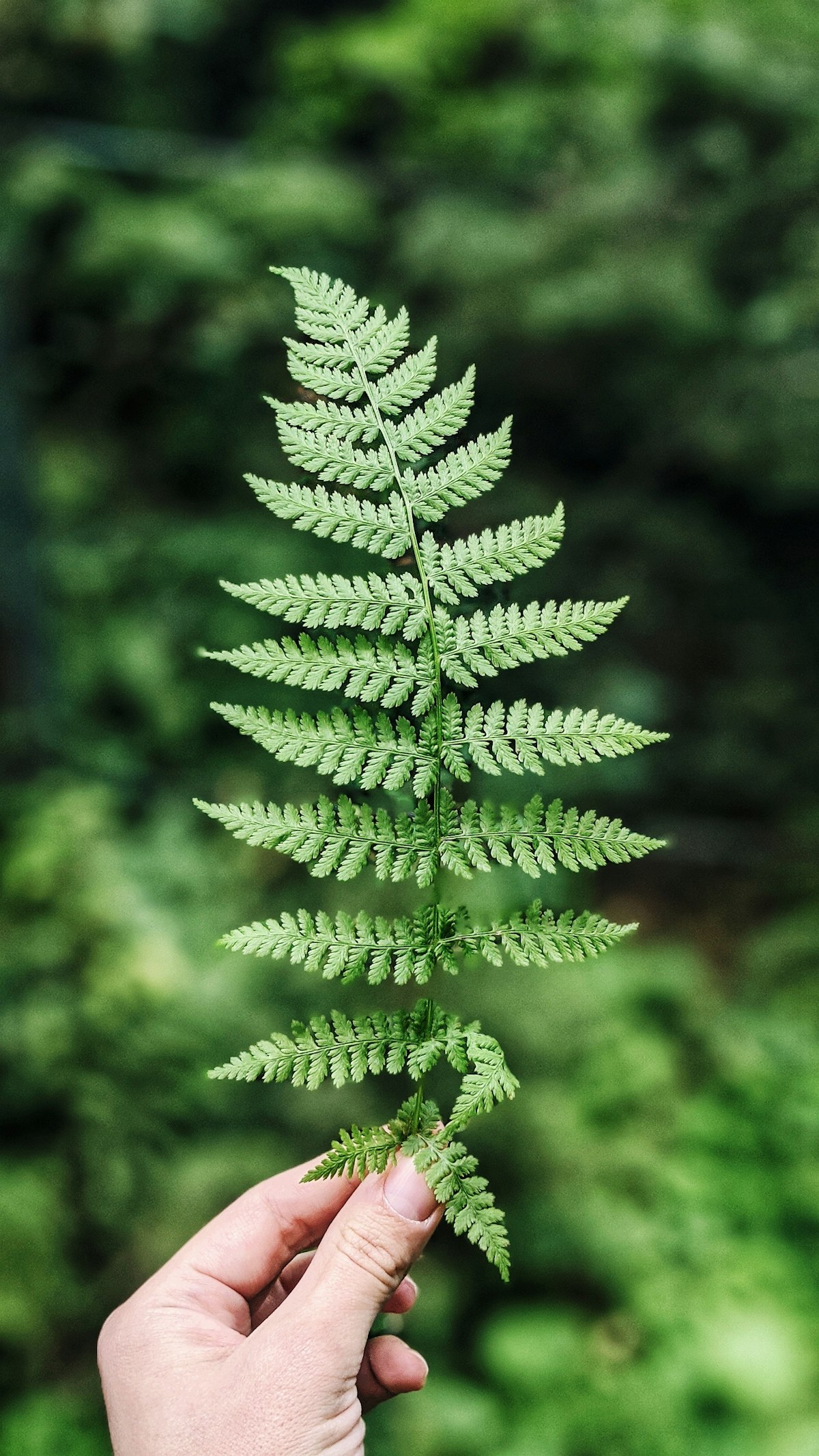
Ferns are some of the oldest living plants on Earth, dating back to prehistoric times. They thrive in diverse habitats, from tropical rainforests to temperate forests. Their unique fronds make them fascinating for botanists and nature enthusiasts alike. Let’s look into various types of ferns and their characteristics.
Boston Fern (Nephrolepis exaltata)
The Boston Fern is one of the most popular indoor ferns. Known for its feathery, arching fronds, it can grow up to three feet long. It’s a low-maintenance plant that enjoys indirect light and high humidity. Keeping the soil moist but not waterlogged is crucial for its health.
Maidenhair Fern (Adiantum)
Maidenhair Ferns are highly sought after for their delicate and lacy appearance. These ferns prefer shady spots with high humidity and well-drained soil. They can be a bit finicky, requiring consistent moisture and filtered light to thrive. The tender fronds and black stems make them stand out.
Staghorn Fern (Platycerium)
Staghorn Ferns resemble antlers, which is where they get their name. They are epiphytes, meaning they grow on other plants instead of soil. These ferns are unique because they absorb nutrients and moisture from the air and rain. Mounted on a piece of wood or hung in a basket, they make an eye-catching addition to any space.
Bird’s Nest Fern (Asplenium nidus)
The Bird’s Nest Fern is characterized by its large, wavy fronds that form a rosette. This fern prefers bright, indirect light and thrives in high humidity. Unlike other ferns, it does not have divided fronds, which gives it a more modern and cleaner look. It’s quite tolerant of various indoor conditions.
Kangaroo Fern (Microsorum diversifolium)
Kangaroo Ferns have a creeping habit with leathery, dark green fronds. These ferns endure lower light conditions, making them ideal for indoor settings. With moderate water requirements and the ability to adapt to different environments, they are relatively easy to care for.
Sword Fern (Polystichum munitum)
Also known as the Western Sword Fern, this species is native to North America and thrives in the Pacific Northwest. It’s recognized for its long, leathery fronds and thrives in shaded, moist environments. This fern can tolerate cooler temperatures, making it suitable for gardens in temperate regions.
Japanese Painted Fern (Athyrium niponicum)
The Japanese Painted Fern offers a splash of color with its metallic silver, purple, and green fronds. It performs best in partial to full shade with consistently moist soil. This fern is relatively low-maintenance and adds a stunning visual contrast to any garden or indoor collection.
Lady Fern (Athyrium filix-femina)
Lady Ferns have finely-divided fronds and grow in a vase-like shape. They are found in a variety of climates and prefer well-drained, loamy soil. These ferns can tolerate more sunlight than most other ferns, making them versatile for different garden settings.
Rabbit’s Foot Fern (Davallia fejeensis)
The Rabbit’s Foot Fern gets its name from its furry rhizomes that resemble a rabbit’s foot. These rhizomes creep over the edges of the pot, adding an interesting texture. This fern prefers bright, indirect light and regular watering. It is both a conversation starter and a unique addition to any plant collection.
Ostrich Fern (Matteuccia struthiopteris)
Ostrich Ferns are named for their feather-like fronds that resemble ostrich plumes. They require moist, rich soil and can grow up to six feet tall in ideal conditions. These ferns are often used in landscaping for their striking vertical growth and vibrant green color.
Christmas Fern (Polystichum acrostichoides)
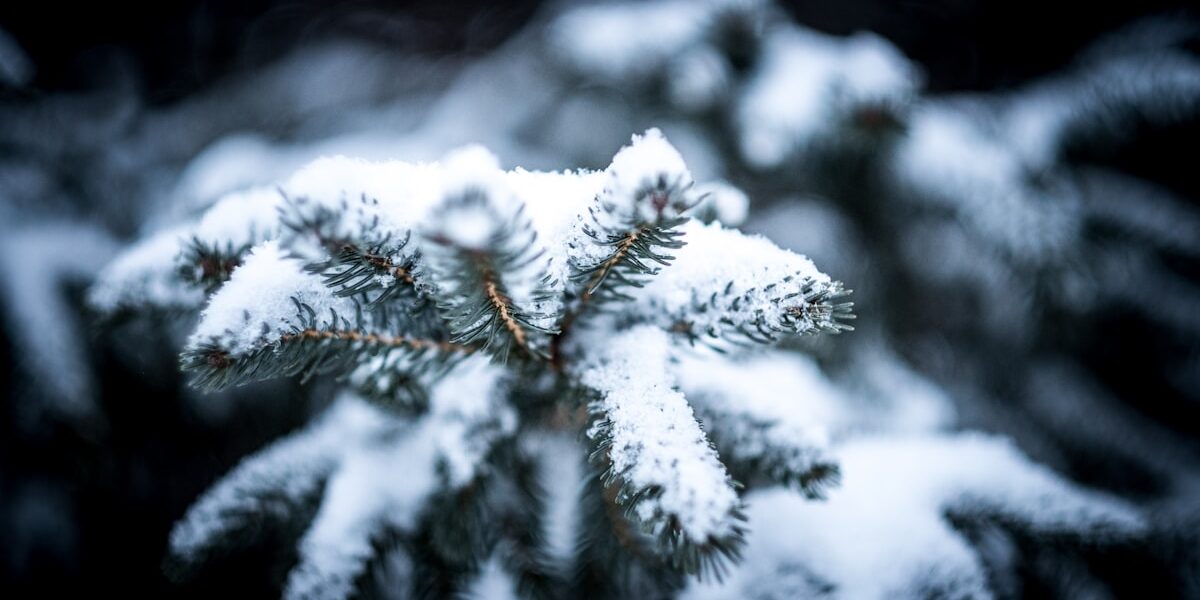
Christmas Ferns are known for their evergreen fronds that stay green throughout the winter, hence the name. These ferns prefer shaded areas and well-drained soil. They are quite hardy and can tolerate a range of temperatures, making them popular in woodland gardens.
Tree Fern (Cyathea and Dicksonia)
Tree Ferns are true to their name, with trunk-like stems and large, arching fronds. They can grow quite tall, some species reaching up to 20 feet. These ferns require lots of water and a humid environment to flourish. They are often seen in tropical and subtropical regions.
Royal Fern (Osmunda regalis)
The Royal Fern is notable for its tall and graceful fronds that can grow up to five feet high. It thrives in wet, boggy areas and is often found along stream banks. This fern is relatively low-maintenance and adds a stately presence to any garden.
Autumn Fern (Dryopteris erythrosora)
Autumn Ferns are known for their reddish fronds that turn green as they mature. They thrive in partial to full shade and well-drained soil. The color-changing fronds make them a popular choice for adding seasonal interest to gardens.
Whether you’re creating a shade garden or adding texture to your indoor plant collection, ferns offer endless possibilities. Their ancient lineage and incredible diversity make them fascinating additions to any growing space.

Stay in the loop
Get the latest wildlife research and conservation news delivered to your inbox.