Choosing the Right Pruning Shears
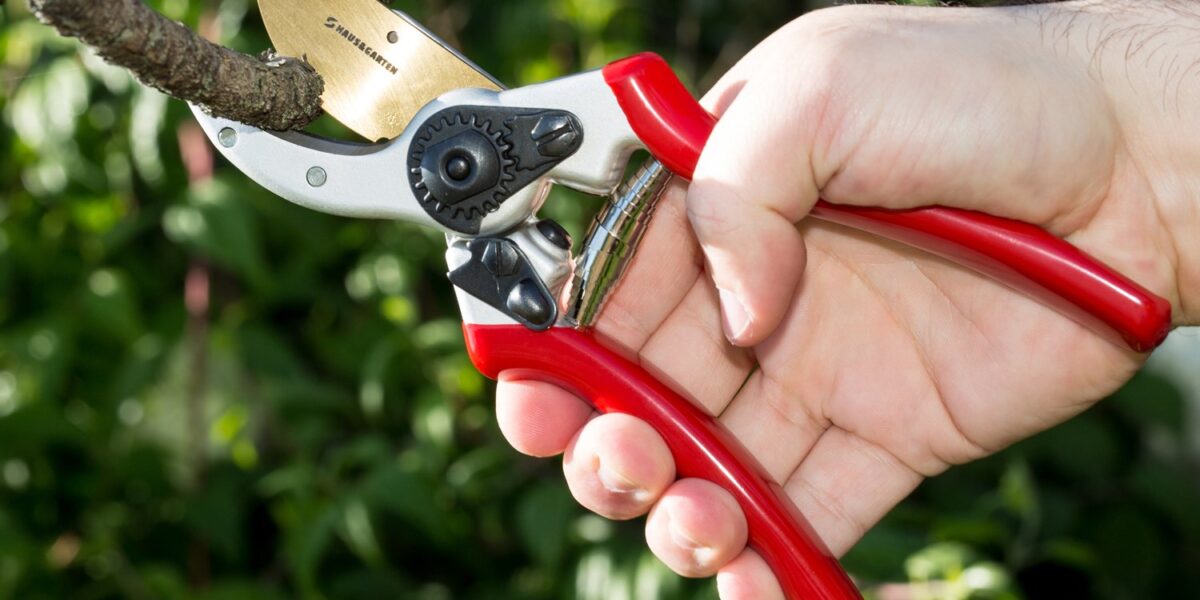
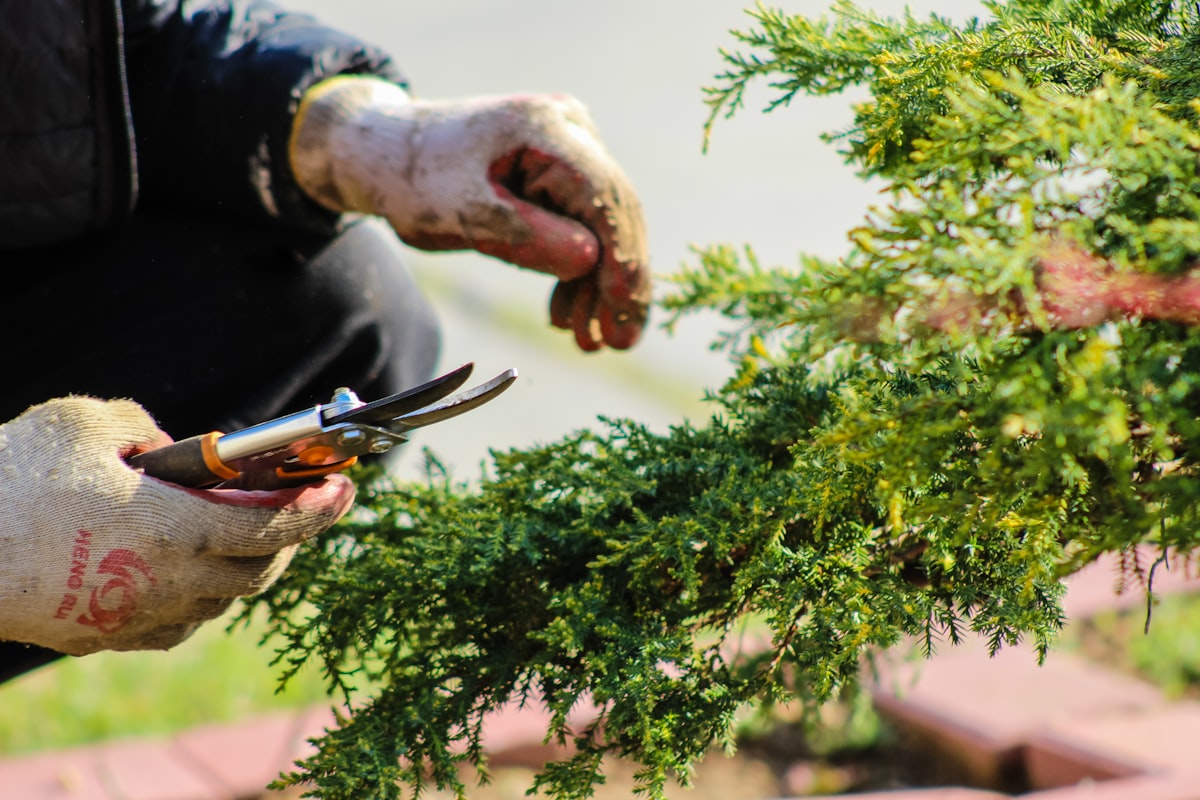
Pruning shears are the most-used tool in any gardener’s collection. Quality shears make clean cuts that heal quickly, reduce hand fatigue during extended pruning sessions, and last for decades with proper care. Whether you’re deadheading roses, harvesting herbs, or shaping shrubs, the right pruning shears make the job easier and your plants healthier.
Types of Pruning Shears
Bypass Pruners
The most versatile and popular style. Two curved blades slide past each other like scissors, creating a clean, precise cut. Bypass pruners are the best choice for live growth on most plants.
Best for:
- Live stems and branches up to 3/4 inch diameter
- Roses, perennials, and soft-stemmed plants
- Fruit harvesting
- Deadheading flowers
- Herb harvesting
Advantages:
- Clean cuts that promote fast healing
- Less crushing damage to plant tissue
- Precise control for detailed work
Anvil Pruners
A single sharp blade closes against a flat metal surface (anvil). The crushing action requires less force but can damage live tissue.
Best for:
- Dead wood removal
- Dried stems and woody debris
- Gardeners with reduced grip strength
Advantages:
- Requires less hand pressure
- Powerful cutting through tough material
- Better for thick, dry stems
Ratchet Pruners
A variation that cuts in stages, releasing and re-engaging with each squeeze. Ideal for gardeners with arthritis or limited hand strength.
Best for:
- Gardeners with hand weakness or arthritis
- Extended pruning sessions
- Thicker stems that require more force
What to Look For When Buying Pruning Shears
Blade Quality
High-carbon steel holds a sharp edge longer than stainless steel but may rust without proper care. Look for:
- Hardened steel blades that resist dulling
- Non-stick or titanium coatings to reduce sap buildup
- Replaceable blades for long-term value
- Precision-ground edges for clean cuts
Handle Design
Comfort matters during extended pruning sessions:
- Ergonomic shapes that reduce hand fatigue
- Non-slip cushioned grips
- Rotating handles (on some models) to reduce wrist strain
- Size appropriate for your hand—try before buying if possible
Spring Mechanism
The spring that opens the blades affects comfort:
- Wire springs are simple and easy to replace
- Flat springs are less likely to catch debris
- Adjustable tension suits different hand strengths
Locking Mechanism
A secure lock keeps blades closed for safe storage and transport. Look for:
- Easy one-handed operation
- Reliable engagement that won’t accidentally release
- Durable construction that won’t wear out
Size Matters: Matching Shears to the Job
Standard Pruners (Most Common)
Handle stems up to 3/4 inch diameter. Suitable for most garden pruning tasks including:
- Rose care and deadheading
- Perennial maintenance
- Light shrub pruning
- Harvesting vegetables and herbs
Small/Floral Pruners
Compact design for delicate work:
- Deadheading small flowers
- Herb harvesting
- Bonsai maintenance
- Small-handed gardeners
Heavy-Duty Pruners
For larger stems approaching 1 inch:
- Thick rose canes
- Fruit tree maintenance
- Woody shrub pruning
Note: Don’t force pruners on stems that are too thick—use loppers for branches over 3/4 inch to prevent blade damage and ensure clean cuts.
Top Features Worth Paying For
Replacement Parts Availability
Quality manufacturers offer replacement blades, springs, and handles. A $40 pruner with available parts outlasts a $15 pruner that must be discarded when worn.
Lifetime Warranty
Brands like Felco and Corona offer warranties covering manufacturing defects. This indicates confidence in product durability.
Left-Handed Models
Left-handed gardeners: don’t suffer with right-handed tools. Several manufacturers offer true left-handed versions with reversed blade orientation.
Maintaining Your Pruning Shears
Cleaning
Clean blades after each use to prevent disease spread and sap buildup:
- Wipe blades with a damp cloth after use
- Remove sap with rubbing alcohol or sap remover
- Disinfect with 10% bleach solution when pruning diseased plants
- Dry thoroughly before storage
Sharpening
Sharp blades make clean cuts that heal quickly:
- Sharpen at the beginning of each season and as needed
- Use a fine diamond file or sharpening stone
- Maintain the original bevel angle
- Sharpen only the beveled edge, not the flat side
Lubrication
A drop of oil on the pivot point keeps action smooth:
- Use light machine oil or pruner-specific lubricant
- Apply monthly during heavy use season
- Wipe excess to prevent attracting dirt
Storage
- Store in a dry location to prevent rust
- Keep blades closed with safety lock engaged
- Apply light oil coating before winter storage
When to Upgrade
Signs your pruning shears need replacement:
- Blades no longer align properly
- Handles are cracked or loose
- Rust that won’t clean off
- Sharpening no longer restores cutting ability
- Repeated cuts damage plant stems instead of cutting cleanly
Investment Quality Pays Off
Quality pruning shears represent one of the best tool investments a gardener can make. A $40-60 pair of well-made bypass pruners will outlast multiple cheap alternatives and make every pruning task more enjoyable. Look for:
- Reputable brands with proven track records (Felco, Corona, ARS)
- High-carbon or SK5 steel blades
- Comfortable ergonomic handles
- Available replacement parts
- Solid construction with tight blade alignment
The right pruning shears become an extension of your hand in the garden—comfortable, reliable, and capable of making thousands of clean cuts over many years of service.
This article contains helpful information for gardeners. We may earn a small commission from qualifying purchases.


Stay in the loop
Get the latest wildlife research and conservation news delivered to your inbox.