
Ground Cover for Shade
Ground Cover for Shade
Shade gardening has gotten complicated with all the “just plant hostas everywhere” advice flying around. As someone who’s dealt with a yard that’s mostly tree canopy and very little open sun, I learned everything there is to know about ground covers that actually survive and look good doing it. Today, I’ll share it all with you.
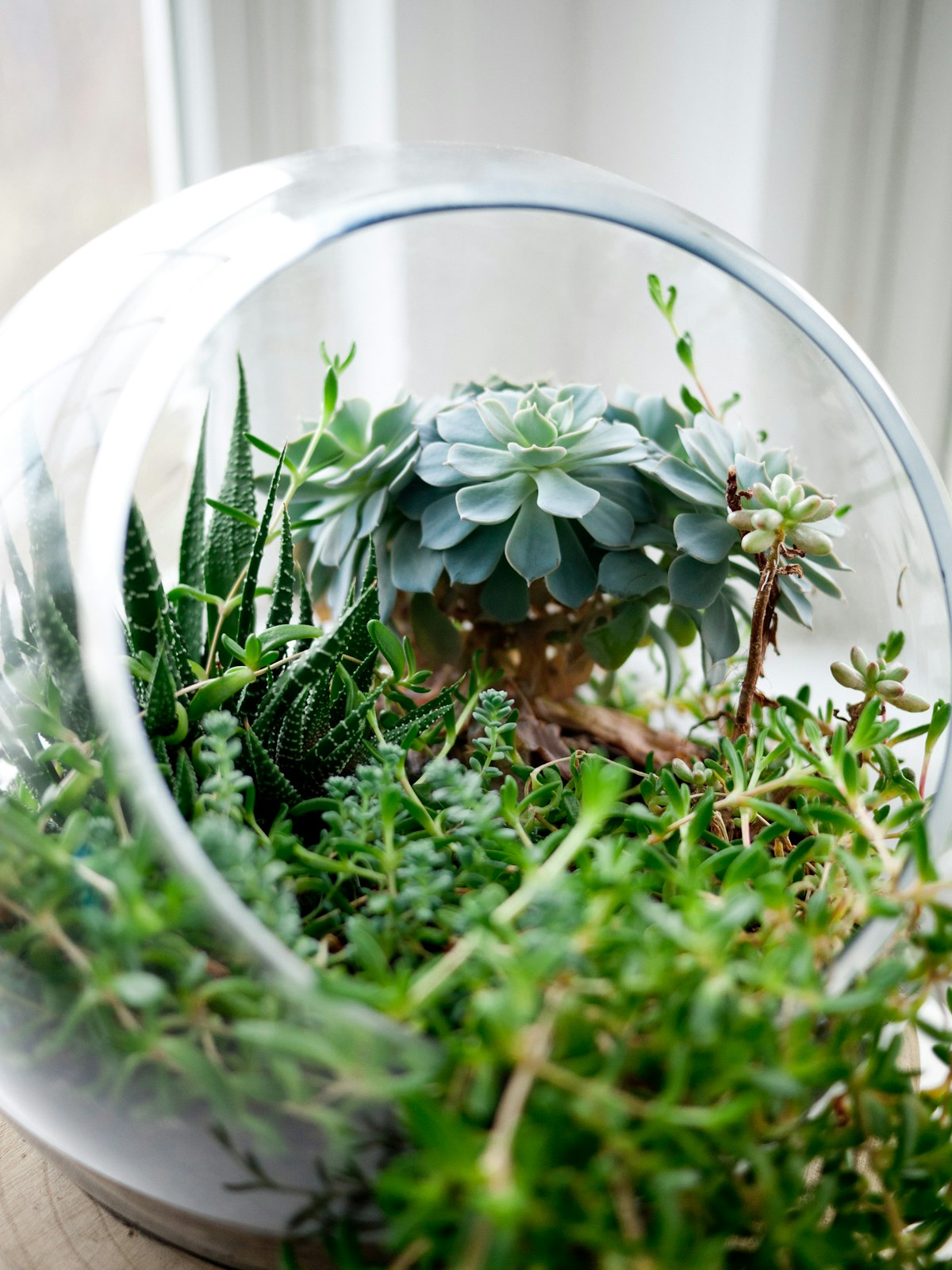
That’s what makes shade-tolerant ground covers endearing to us under-canopy gardeners — the right plant in the right spot genuinely takes care of itself. Suppress weeds, retain moisture, add texture, and look presentable with almost zero intervention. That’s the goal.
Hosta
Hostas are popular for shaded landscapes, and they’ve earned that reputation. They come in a wide range of sizes, colors, and leaf textures — from tiny minis to dinner-plate giants. Hostas prefer moist, well-drained soil but can tolerate dry periods once established. They spread reliably, which is exactly what you want from a ground cover.
Wild Ginger
Wild ginger offers heart-shaped leaves and thrives in deep shade where most plants give up entirely. It produces small brownish flowers close to the ground — subtle, but interesting if you’re paying attention. Deer tend to leave it alone, which is reason enough for many gardeners to try it. It’s ideal for woodland gardens and grows well in humus-rich soil.
Lamium
Lamium, also called dead nettle, earns its place with silver-variegated foliage and pink or white flowers. I’m apparently someone who underestimated it initially, and the dry, rocky corner it now covers completely works while richer spots never quite filled in the same way. It tolerates poor soil conditions including dry, sandy soil.
Vinca Minor
Vinca minor, or periwinkle, has glossy dark green leaves and those distinctive violet-blue flowers in spring. It spreads vigorously — sometimes very vigorously — so it’s best suited to larger areas or spots under trees where you want solid coverage. Good for slopes where erosion is a concern.
Ajuga
Ajuga, or bugleweed, produces spikes of blue flowers and dense colorful foliage that chokes out weeds effectively. It’s one of those plants that tolerates all kinds of neglect. Use it in borders or as underplanting for shrubs where you need something that fills in without constant attention.
Pachysandra
Pachysandra terminalis, or Japanese spurge, is the classic choice for good reason. Its evergreen foliage stays green year-round. It’s slow to establish but forms a dense, clean-looking carpet that’s genuinely low maintenance once it gets going. Prefers consistent moisture and full to partial shade.
Sweet Woodruff
Sweet woodruff has whorled leaves and small white flowers, and it releases a pleasant fragrance when brushed or dried. It grows well in moist, shady areas and spreads gradually under trees or in shaded borders. Slow the first season, filling nicely by the third.
Barrenwort
Barrenwort, or Epimedium, is genuinely underused. It handles dry shade — one of the more difficult conditions to plant for — and its foliage turns bronze and red in fall. Delicate flowers appear in spring. Once established, it needs almost nothing from you.
Liriope
Liriope, or monkey grass, looks like ornamental grass and performs like a workhorse. It handles poor soil, tolerates some foot traffic, and resists most pests. Purple flower spikes appear in late summer. It’s used in shaded landscapes everywhere for a reason — it almost never fails.
Ferns
Ferns are a natural fit for shaded woodland gardens. Maidenhair ferns have a delicate, airy look. Ostrich ferns grow large and bold. Most prefer rich, consistently moist soil and filtered light. They spread gradually and add a lush, wild quality that’s hard to replicate with other plants.
Creeping Jenny
Creeping Jenny has bright yellow-green foliage that’s particularly striking in low light. It spreads quickly in moist, shaded spots — along path edges, around water features, or wherever you want rapid coverage. Probably should have listed this one earlier since it’s among the fastest to give you visible results.
Solomon’s Seal
Solomon’s seal has arching stems with dangling tubular white flowers in spring, then the foliage turns yellow in fall. It handles both deep shade and partial sun and prefers moist, well-drained soil. A reliable choice for woodland garden designs that adds genuine seasonal interest.
Bishop’s Weed
Bishop’s weed, or goutweed, provides lush variegated foliage and spreads fast — which is either its best or worst quality depending on your situation. It’s genuinely useful for large, difficult areas where nothing else performs well. Just know what you’re getting into before planting near a manicured border.
Heuchera
Heuchera, or coral bells, combines striking foliage colors with delicate flower wands in summer. The leaf color range is remarkable — deep burgundy to lime green to silver. Grows in clumps in partial shade, prefers well-drained soil, and adds variety to a planting that might otherwise look monotonous.
Hellebores
Hellebores produce flowers during winter and early spring when most of the garden is dormant. The evergreen foliage stays attractive year-round. They prefer rich soil and shaded conditions, resist deer, and largely care for themselves once established.
Carex
Carex, or sedge, adds texture with its grass-like foliage available in a range of colors and growth habits. It thrives in moist, shaded conditions and doesn’t spread invasively. Good for adding structure and contrast alongside broader-leaved ground covers.
Tiarella
Tiarella, or foamflower, has heart-shaped leaves and airy flower spikes that look like white foam floating above the foliage. It spreads via runners and forms dense mats in shaded areas. A good fit for woodland gardens and naturalizing in difficult spots.
Viola
Violas are small flowering plants that perform well in cool, shaded spots. They come in a range of colors and add seasonal interest. They tend to self-seed, which means you often get more plants year after year without any intervention — a nice bonus for a ground cover plant.
Finding the right shade ground cover comes down to your specific conditions — soil type, moisture levels, depth of shade, and how much spreading you’re comfortable managing. With any of these options, a shaded area that felt like a problem becomes one of the more interesting parts of the garden.


Stay in the loop
Get the latest wildlife research and conservation news delivered to your inbox.