How Crop Rotation Protects Your Soil and Keeps Pests Guessing
Why Crop Rotation Matters Crop rotation—the practice of moving plant families to different locations each year—is one of the most effective techniques for maintaining soil...

Why Crop Rotation Matters Crop rotation—the practice of moving plant families to different locations each year—is one of the most effective techniques for maintaining soil...
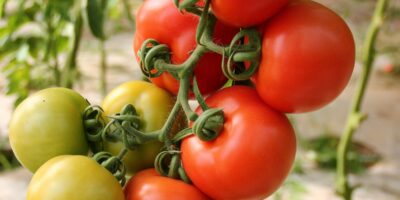
The Science Behind Companion Planting Companion planting—the practice of growing certain plants together for mutual benefit—has been practiced for centuries across cultures worldwide. While traditional...
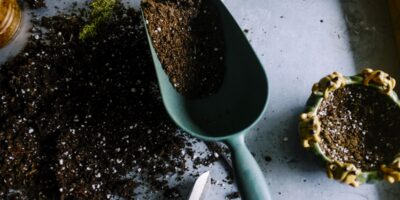
Why Disease Prevention Matters in the Pacific Northwest The Pacific Northwest’s wet climate creates ideal conditions for plant diseases. Fungal infections thrive in our cool,...

Garden Pest Management in the Pacific Northwest The Pacific Northwest’s mild, moist climate creates ideal conditions for many garden pests. While our wet winters kill...
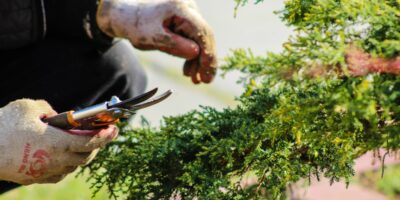
Why Pruning Matters Pruning is one of the most valuable skills a gardener can develop. Proper pruning improves plant health, increases yields, shapes growth, and...

The Power of Mulch in Pacific Northwest Gardens Mulch is the unsung hero of successful gardening. A simple layer of organic material on your soil...

Understanding Fertilizer for Pacific Northwest Gardens Fertilizer provides the nutrients plants need to grow, flower, and fruit. While healthy soil supplies much of what plants...

The Pacific Northwest Watering Paradox Despite our reputation for rain, Seattle’s dry summers create a watering challenge that catches many new gardeners off guard. From...
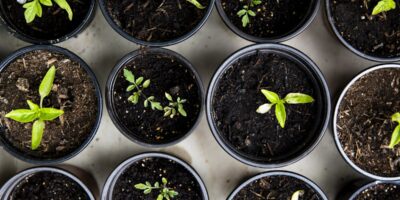
What Is Transplant Shock? Transplant shock occurs when plants struggle to adapt after being moved from one location to another. The stress of root disturbance,...
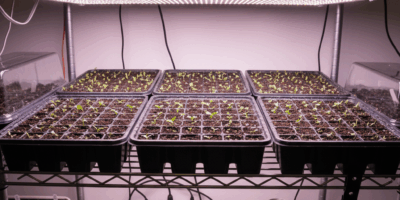
Why Seed Starting Matters in the Pacific Northwest Starting seeds indoors gives Pacific Northwest gardeners a crucial advantage: the ability to grow heat-loving crops that...
Stay in the loop
Get the latest wildlife research and conservation news delivered to your inbox.