
Small-space vegetable gardening has gotten complicated with all the advice about tower gardens and hydroponic setups. As someone who grew my first vegetables on a second-floor balcony with about 40 square feet to work with, I learned everything there is to know about what actually produces food in confined spaces. Today, I’ll share it all with you.
Understanding the Basics of Small-Space Gardening
Small-space vegetable gardening means maximizing whatever area you have — a balcony, patio, window sill, or a strip of outdoor space — through vertical growing, compact planting techniques, and container gardening. Before you start buying plants, three fundamentals determine your success:
– Sunlight: Most vegetables need at least 6 hours of direct sunlight daily. Spend a day actually observing where the sun hits your space — the results often surprise people. Light patterns shift seasonally too, so what works in summer may not work in spring.
– Soil Quality: High-quality potting mix is non-negotiable for container gardening. It’s lighter than garden soil and provides better drainage and nutrient retention. Regular garden soil compacts in containers and suffocates roots.
– Watering Needs: Containers dry out significantly faster than ground soil. Regular watering keeps plants healthy, but your containers must have adequate drainage to prevent waterlogging — root rot kills container vegetables quickly.
– Choosing the Right Containers: Almost any container works if it drains properly. Old buckets, wooden crates, hanging baskets — all good. The only real requirement is that containers are deep enough for the roots of what you’re planting. Shallow-rooted plants like lettuce work in shallow containers; tomatoes and peppers need at least 12 inches of depth.
Selecting Suitable Vegetables
I’m apparently someone who initially tried to grow everything, and that approach wasted a lot of space on plants that needed more room than I had. These are the vegetables that reliably perform in small spaces:
– Lettuce and Greens: Spinach, kale, and arugula can be harvested leaf by leaf, which means a single plant keeps producing for weeks. They grow quickly, need minimal space, and are among the most productive plants per square foot you can grow.
– Herbs: Basil, cilantro, parsley, and thyme are perfect for small pots or window boxes. They can be grown indoors and pay for themselves quickly in kitchen use.
– Root Vegetables: Radishes and shorter carrot varieties thrive in deep, well-drained containers. Radishes especially are the fastest-producing vegetable you can grow — some varieties are ready in 25 days.
– Tomatoes and Peppers: These need slightly larger pots but grow vertically well with stakes or cages, making them space-efficient despite their size.
Vertical Gardening Techniques
Vertical gardening transformed my balcony garden from a cramped three-pot situation into a genuinely productive growing space. Using upward space allows you to grow far more than the floor area alone would suggest. That’s what makes vertical growing endearing to us small-space gardeners — it’s the single change that produces the biggest results.
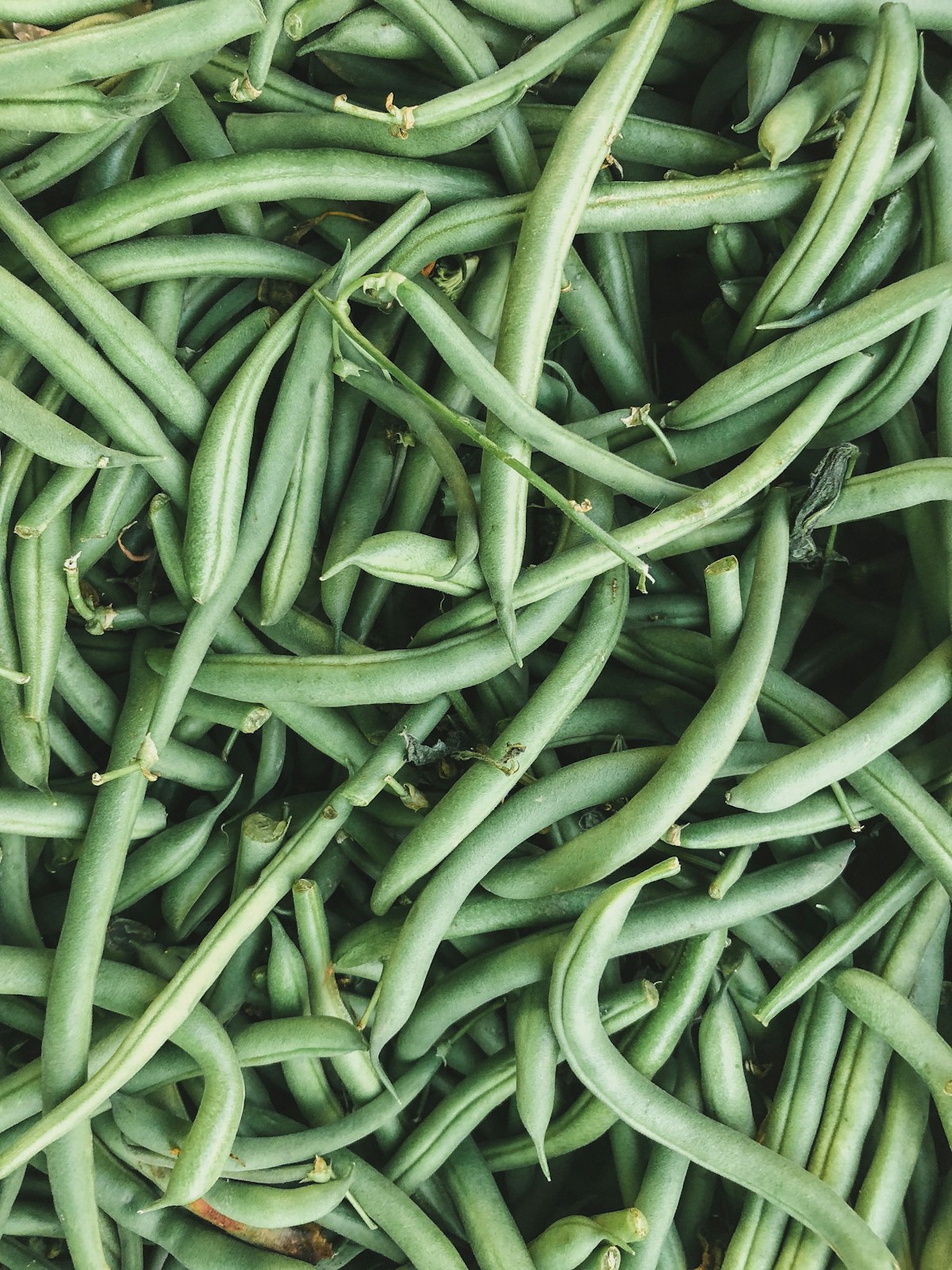
– Trellises and Climbing Frames: Cucumbers, peas, and beans climb readily with guidance. A trellis against a wall or railing takes up almost no floor space and supports a surprising amount of plant mass.
– Hanging Baskets: Trailing tomato varieties and strawberries are excellent hanging basket plants. They don’t compete for floor space at all.
– Wall Planters: Vertical wall-mounted containers work well for herbs and lettuce — plants that don’t need great depth but produce reliably from small containers.
Care and Maintenance
Probably should have mentioned this earlier, honestly: small-space vegetable gardening requires more frequent attention than a traditional garden. The small container volumes mean conditions change quickly. The tasks are manageable, but they need to happen consistently:
– Regular Watering: Keep soil consistently moist. Watering in the morning reduces evaporation and gives any wet foliage time to dry before cooler evening temperatures.
– Fertilizing: Feed plants with a balanced, water-soluble fertilizer every two weeks or as growth indicates. Containers leach nutrients faster than ground beds.
– Pest Management: Inspect plants regularly. Neem oil and soap spray handle most pest problems organically before they become serious.
– Pruning and Harvesting: Regular harvesting of leafy greens encourages continuous new growth. Prune any overgrown plants to keep your garden productive and tidy.
Innovative Ideas for Small-Space Gardening
If you want to push your small garden further:
– Edible Landscaping: Incorporate edible plants into existing outdoor spaces. Herbs as border plants in flower beds, lettuces as ornamental edging — edible plants are often attractive enough to serve double duty.
– Community Gardening: If outdoor space is genuinely limited, local community garden plots offer a real solution. Growing alongside neighbors also builds knowledge quickly.
– Hydroponics: For fully indoor environments, hydroponic systems produce impressive yields without soil. The setup cost is higher but the productivity per square foot exceeds almost any other approach.
With the right plant choices and a bit of creative thinking about space, you can grow meaningful amounts of food even from a few pots on a balcony. The satisfaction of cooking with vegetables you grew yourself is entirely out of proportion to how complicated the growing process actually needs to be.


Leave a Reply