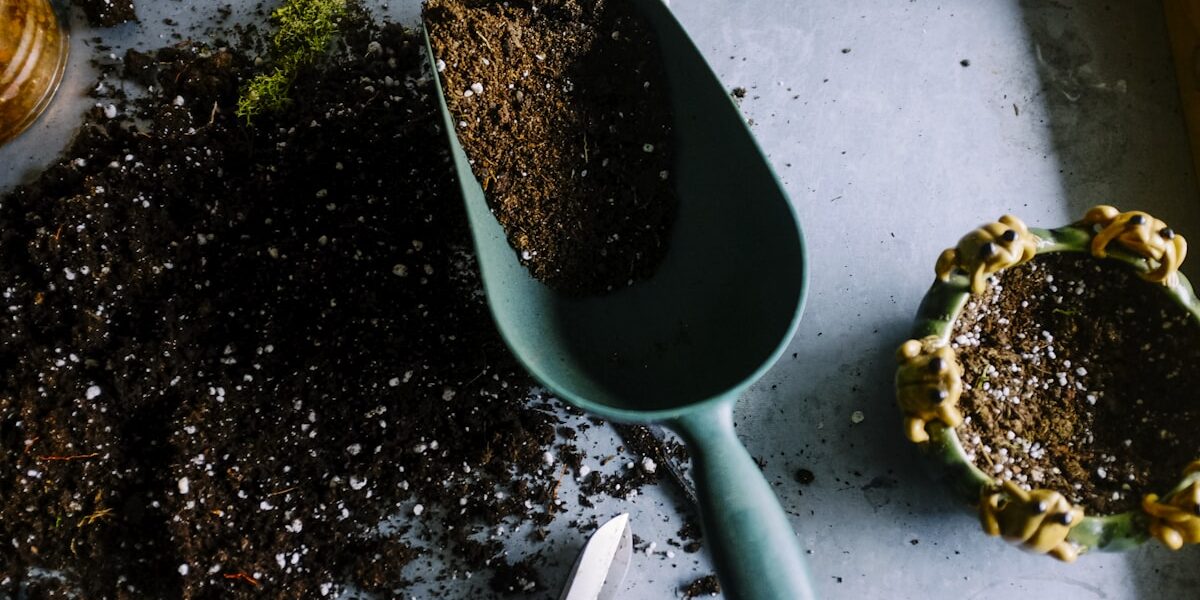
Composting transforms kitchen scraps and yard waste into rich, crumbly humus that improves any soil. This natural recycling process reduces landfill waste while creating the best soil amendment money can’t buy. Whether you manage a small balcony bin or a large backyard system, understanding composting fundamentals helps you produce quality compost efficiently.
Why Compost Matters
This article includes affiliate links. We may earn a commission at no extra cost to you.
Finished compost improves soil in ways synthetic fertilizers cannot match. It increases water retention in sandy soils while improving drainage in clay. It feeds beneficial soil organisms that support plant health. It provides slow-release nutrients as it continues breaking down in garden beds.
Composting also reduces household waste significantly. Kitchen scraps and yard trimmings comprise about 30% of what we throw away. Diverting this material from landfills reduces methane emissions while creating valuable resources for your garden.
Gardens amended with compost grow healthier, more productive plants that resist pests and diseases better than those relying solely on synthetic inputs. The living soil biology that compost supports creates plant-protecting beneficial organisms impossible to replicate with chemicals alone.
The Science Behind Composting
Composting harnesses natural decomposition, accelerating a process that occurs constantly in nature. Microorganisms including bacteria and fungi break down organic matter, releasing nutrients in plant-available forms. Your job as a composter is providing conditions that help these organisms thrive.
Four elements must balance for efficient composting: carbon, nitrogen, moisture, and oxygen. Get these right, and your pile will decompose quickly with minimal odor or pest problems. Neglect any element, and problems develop.
Temperature indicates microbial activity. Use a compost thermometer to monitor your pile — active compost piles heat to 130-160°F in their centers as bacteria multiply rapidly. This heat kills weed seeds and disease organisms, producing sanitized compost safe for any garden use. Piles that never heat may still produce usable compost but take longer and may contain viable weed seeds.
Brown and Green Materials
Composters categorize materials as browns (carbon-rich) or greens (nitrogen-rich). Browns include dried leaves, straw, cardboard, wood chips, and paper. Greens include grass clippings, food scraps, coffee grounds, and fresh plant material. Balancing these categories creates optimal conditions for decomposition.
Aim for roughly 3 parts brown to 1 part green by volume. This ratio provides the carbon-to-nitrogen balance that composting organisms prefer. Too much green creates smelly, slimy piles; too much brown results in slow decomposition.
Most household composting problems stem from insufficient brown material. Kitchens produce steady streams of nitrogen-rich food scraps, but brown material must be stockpiled. Collect fallen leaves in autumn, save cardboard boxes, and keep a bag of straw or dried leaves near your bin for layering with food scraps.
What to Compost
Most plant-based materials compost well. Fruit and vegetable scraps, coffee grounds and filters, tea bags, eggshells, and stale bread all break down readily. Yard waste including grass clippings, leaves, plant trimmings, and spent flowers adds bulk and nutrients.
Paper products including newspaper, cardboard, paper towels, and napkins provide excellent carbon. Shred or tear them for faster decomposition. Avoid glossy or heavily inked papers.
Other compostable materials include hair, vacuum cleaner contents, cotton and wool fabric scraps, sawdust from untreated wood, and fireplace ashes in small quantities.
What to Avoid
Some materials cause problems in home compost systems. Meat, fish, and dairy products attract pests and create odors, though some enclosed systems handle them. Oils and fatty foods decompose slowly and can make piles anaerobic.
Pet waste may contain pathogens harmful to humans. Cat litter, even “compostable” varieties, doesn’t belong in garden compost. Dog waste can be composted separately in dedicated pet waste digesters but should not enter food-garden systems.
Diseased plants may survive composting if piles don’t reach high temperatures. Weeds with mature seeds present similar concerns. When in doubt, discard these materials through municipal green waste programs that process material at temperatures guaranteed to kill problems.
Treated lumber, charcoal briquettes, and synthetic materials don’t decompose and may contain harmful chemicals. Keep them out of compost systems entirely.
Choosing a Composting Method
Multiple approaches suit different situations. Consider available space, time commitment, material volumes, and how quickly you need finished compost when selecting a method.
Open piles require minimal investment and handle large material volumes. They work well for yard waste and suit rural or large properties where aesthetics matter less. Simple wire bins contain material while allowing airflow.
Enclosed bins contain material neatly, deter pests, and suit smaller spaces. Tumbling composters make turning effortless, though capacity limits may require multiple units for heavy producers. Static bins require manual turning with a pitchfork.
Worm bins (vermicomposting) process food scraps efficiently in small spaces, including apartments and kitchens. They produce both solid castings and liquid fertilizer. However, they cannot handle yard waste volumes or extreme temperatures.
Building a Basic Bin
Simple bins require minimal materials. Hardware cloth formed into a cylinder and secured with wire creates functional bins instantly. Wooden pallets wired together produce sturdy, attractive enclosures. Leave one side removable for easier access.
Bins should measure at least 3 feet in each dimension to generate sufficient mass for heating. Smaller piles lose heat too quickly to reach thermophilic temperatures, though they still decompose slowly. Large piles may not receive adequate oxygen in their centers without frequent turning.
Locate bins in convenient locations near material sources. Full sun speeds decomposition but increases moisture loss; shade keeps piles cooler but may slow processing. Most importantly, choose spots with easy access for adding materials and removing finished compost.
Layering and Building
Start new piles with a base layer of coarse brown material like small branches or straw. This allows airflow beneath the pile. Add alternating layers of greens and browns, moistening dry materials as you build.
Chop or shred large pieces to increase surface area for microbial action. A machete, sharp spade, or chipper-shredder breaks down stalks and branches. Smaller particles decompose faster than large chunks.
Aim for moisture levels comparable to a wrung-out sponge—damp throughout but not dripping wet. Add water to dry piles or brown material to wet ones. Cover open piles during heavy rain to prevent waterlogging.
Turning and Aeration
Oxygen drives aerobic decomposition. Without air, piles turn anaerobic, becoming smelly and producing different end products. Turning introduces oxygen while mixing materials for more uniform breakdown.
Frequent turning accelerates decomposition. Turning weekly can produce finished compost in 4-6 weeks under ideal conditions. Monthly turning extends this to several months. Cold or static piles may take a year or more but still produce quality compost with minimal labor.
When turning, move material from the outer edges into the center where temperatures peak. This ensures all material experiences the high-temperature zone that kills pathogens and weed seeds.
Passive aeration reduces turning needs. Perforated PVC pipes inserted vertically into piles allow air penetration. Coarse material layers at the base permit air flow from below. These techniques suit gardeners wanting hands-off systems.
Troubleshooting Common Problems
Bad odors usually indicate too much nitrogen or insufficient oxygen. Add brown materials and turn the pile to introduce air. Ammonia smells signal excess nitrogen specifically; add carbon-rich materials and mix well.
Piles that won’t heat may be too dry, too small, or lack nitrogen. Check moisture and add water if needed. Add more material to reach critical mass. Mix in green materials or nitrogen supplements like blood meal if carbon-heavy.
Pest problems result from exposed food or incorrect materials. Cover food scraps with brown material immediately after adding. Ensure meat, dairy, and oils stay out of open piles. Secure bins with wire mesh if rodents persist.
Matted grass clippings create anaerobic layers. Mix grass with dry materials before adding or add in thin layers. Let fresh clippings dry before composting to reduce matting tendency.
Hot Composting
Hot composting produces finished material quickly but requires more active management. Build piles with proper brown-green ratios all at once rather than adding incrementally. Aim for at least one cubic yard of material to generate sufficient heat.
Monitor temperature with a compost thermometer. Piles should heat to 130-160°F within days of building. When temperature drops below 130°F, turn the pile to reignite microbial activity. Repeat this cycle until the pile no longer reheats after turning.
Hot composting kills weed seeds and disease organisms that survive in cooler piles. The finished product is thoroughly decomposed and ready for immediate garden use. This method requires more attention but delivers results in weeks rather than months.
Cold Composting
Cold composting suits gardeners preferring passive approaches. Add materials as they become available without strict ratio management. Turn piles occasionally or not at all. Accept longer processing times in exchange for minimal effort.
Cold piles may not reach temperatures needed to kill all weed seeds and pathogens. Avoid adding diseased plants or weeds with mature seeds. The finished product works well but use it under mulch rather than worked directly into planting beds to catch any surviving weed seeds.
This approach makes sense for gardeners generating modest material volumes who don’t need finished compost on tight timelines. It produces quality results with minimal time investment.
Vermicomposting
Red wiggler worms (Eisenia fetida) process food scraps efficiently in contained bins suitable for any living situation. Unlike soil-dwelling earthworms, red wigglers thrive in dense organic material and tolerate bin conditions.
Start with a pound of worms per square foot of bin surface area. Provide bedding of shredded newspaper or cardboard, moistened but not soggy. Feed food scraps in one section at a time, allowing worms to process each area before adding more.
Worm bins work best at temperatures between 55-77°F. Keep them indoors in extreme climates or in shaded, protected locations outdoors. Harvest castings every few months by moving finished material to one side and adding fresh bedding to the other. Worms migrate toward fresh food, leaving castings behind.
Worm castings are exceptionally rich, requiring dilution for most garden uses. Mix with potting soil or sprinkle lightly around plants. The liquid that drains from worm bins, diluted to tea color, makes excellent foliar feed.
Using Finished Compost
Finished compost looks nothing like its original ingredients—dark brown, crumbly, and earthy-smelling. Screen it through half-inch hardware cloth to remove undecomposed chunks, which return to the active pile.
Apply compost generously. Work 2-4 inches into garden beds before planting. Side-dress growing plants with additional compost mid-season. Top-dress lawns and perennial beds annually. Unlike synthetic fertilizers, compost cannot burn plants through over-application.
Mix compost into potting soil at rates up to 25% for container growing. Higher ratios may retain too much moisture. Combine with perlite and quality potting mix for custom container blends.
Store finished compost in covered bins if not using immediately. Exposed compost loses nutrients to rain leaching. Use within a year for maximum benefit, though older compost still provides organic matter even as nutrient content declines.
Compost Tea
Compost tea extracts water-soluble nutrients and beneficial microorganisms from finished compost. Simple non-aerated tea involves steeping compost in water for 24-48 hours, straining, and applying as foliar spray or soil drench.
Aerated compost tea (ACT) uses pumps to oxygenate the brewing liquid, rapidly multiplying beneficial bacteria and fungi. This method requires more equipment but produces more biologically active results. Use ACT immediately after brewing before microbial populations crash.
Compost tea supplements rather than replaces solid compost applications. It delivers quick nutrition and inoculates plants and soil with beneficial organisms. Many gardeners spray regularly throughout the growing season for both nutritional and disease-suppression benefits.
Troubleshooting Slow Decomposition
If your pile decomposes slowly, evaluate the four essential elements. Check moisture—piles should feel damp throughout. Add water to dry material or browns to soggy piles.
Assess the carbon-nitrogen balance. Piles heavy with browns may need nitrogen supplements like grass clippings, coffee grounds, or blood meal. Too many greens create smelly, slow-decomposing masses that improve with carbon additions.
Consider pile size. Small piles cannot maintain heat and decompose slowly regardless of other factors. Build piles at least 3x3x3 feet for efficient hot composting.
Evaluate particle size. Large branches and whole fruits break down slowly. Chop, shred, or crush materials before adding. The increased surface area dramatically accelerates decomposition.
Year-Round Composting
Composting slows but doesn’t stop in winter. Decomposition continues whenever temperatures remain above freezing, though at reduced rates. Continue adding materials; they’ll break down rapidly when spring warmth arrives.
Insulate piles with straw bales or thick leaf layers to maintain microbial activity longer into cold seasons. Locate winter bins against south-facing walls where they receive maximum solar heat. Larger piles retain heat better than small ones.
Kitchen scraps can be stored frozen during deep winter, then added to outdoor piles as they thaw. Alternatively, maintain indoor worm bins year-round for continuous processing regardless of outdoor conditions.
Advanced Techniques
Berkeley hot composting, developed at the University of California, produces finished compost in 18 days through precise material ratios and frequent turning. This intensive method requires daily attention but delivers results faster than any other approach.
Static pile composting with forced aeration uses blowers to deliver oxygen through perforated pipes beneath piles. This eliminates turning while maintaining aerobic conditions. The method suits operations processing large volumes.
Bokashi fermentation pickles food waste including meat and dairy using specialized bran inoculated with effective microorganisms. The fermented material then composts rapidly when buried in soil or added to traditional compost piles.
Common Myths Debunked
Composting doesn’t require purchased starters or activators. Native soil organisms colonize piles naturally and work as effectively as commercial products. A shovelful of finished compost or garden soil provides all the inoculation any pile needs.
Citrus and onions compost fine in reasonable quantities. While their acidity and essential oils may slow initial decomposition, they break down completely and contribute valuable nutrients. Don’t add huge quantities at once, but normal kitchen waste levels cause no problems.
Eggshells don’t balance pH significantly, nor do they add meaningful calcium unless ground to powder. They’re still worth composting for organic matter content, though their white shell fragments remain visible long after surrounding material decomposes.
Benefits Beyond the Garden
Composting reduces household waste dramatically, lowering disposal costs where pay-per-bag systems exist. It provides satisfying hands-on connection to natural cycles increasingly missing from modern life.
Children learn valuable lessons about decomposition, biology, and responsibility through composting activities. Outdoor observation of worms, pill bugs, and fungi makes abstract concepts tangible. The delayed gratification of months-long composting cycles teaches patience and process.
Composting represents environmental action within individual control. While global problems may feel overwhelming, everyone can reduce personal waste and improve local soil. The cumulative impact of millions of composting households significantly affects resource flows and carbon cycling.
Getting Started
Begin simply. A basic bin, brown and green materials, and occasional attention produce quality compost regardless of experience level. Mistakes teach valuable lessons; few composting errors are unfixable.
Start collecting kitchen scraps in a countertop container emptied into outdoor bins regularly. Stockpile fall leaves as your carbon source. Add, moisten, and turn occasionally. Within months you’ll harvest your first batch of garden gold.
Composting rewards patience and observation. As you gain experience, you’ll develop intuition for material ratios and turning schedules. The finished product makes every future garden more productive and resilient. Few gardening activities offer better returns for minimal investment.


Stay in the loop
Get the latest the gardening nook updates delivered to your inbox.