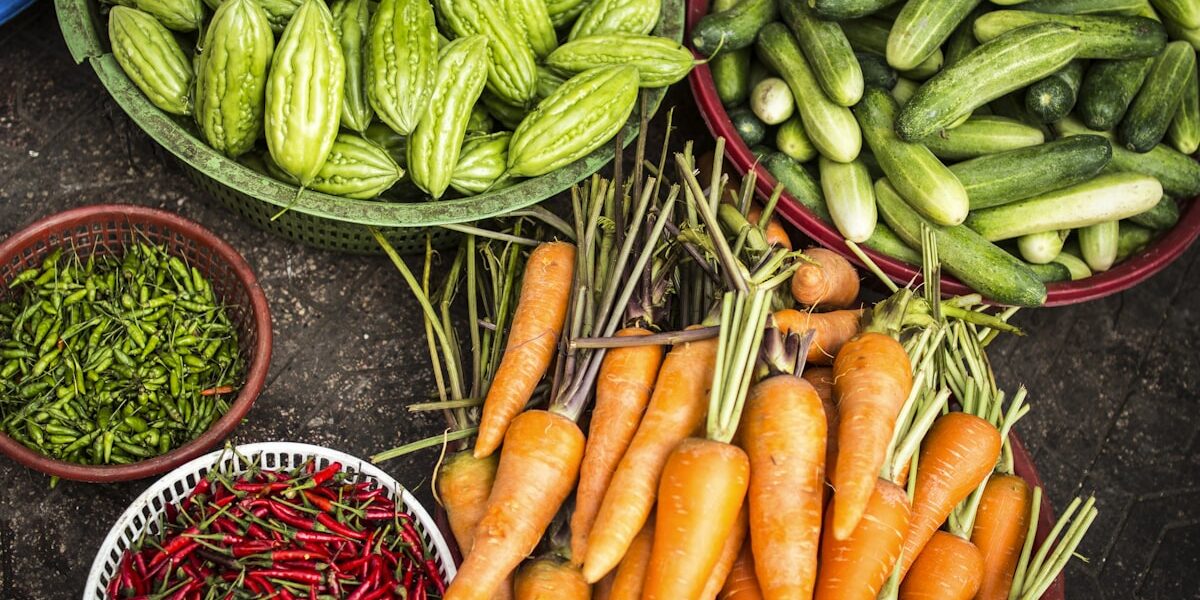
Starting a vegetable garden from scratch can feel overwhelming, but with proper planning and a methodical approach, anyone can grow fresh, healthy produce at home. This comprehensive guide walks you through every step from choosing a location to harvesting your first crops.
Choosing the Right Location
Location determines success more than any other factor. Most vegetables need at least six hours of direct sunlight daily, with eight hours being ideal for fruiting crops like tomatoes and peppers. Observe your yard throughout the day to identify the sunniest spots.
Avoid areas near large trees whose roots will compete for water and nutrients. Stay away from low spots where water collects after rain, as waterlogged soil promotes root rot. Choose level ground when possible to prevent erosion and make watering easier.
Consider convenience too. A garden close to your kitchen encourages frequent harvesting and makes watering less of a chore. Access to a hose bib or rain barrel saves time hauling water across the yard.
Determining Garden Size
New gardeners often start too large, leading to overwhelm and abandoned plots by midsummer. A 4×8 foot bed provides enough space to grow meaningful quantities of vegetables without requiring hours of weekly maintenance. As you gain experience and understand your time commitment, expand gradually.
Calculate available time honestly. A well-maintained vegetable garden needs about one hour of care per 100 square feet weekly during the growing season. This includes watering, weeding, harvesting, and pest monitoring. Start smaller than you think necessary—you can always expand next year.
Raised Beds vs. In-Ground Gardens
Both approaches work well, each with distinct advantages. Raised beds offer excellent drainage, easier weed control, and reduced bending during planting and harvest. They warm up faster in spring, extending your growing season. However, they require upfront investment in materials and soil.
In-ground gardens cost less initially and work well if you have good native soil. They provide more planting flexibility and deeper root zones for large plants. Improving existing soil with compost and organic matter creates excellent growing conditions over time.
If your native soil contains heavy clay or sits over hardpan, raised beds may be worth the investment. Sandy soils or those with good structure often perform well with in-ground cultivation.
Building Raised Beds
For raised beds, choose rot-resistant materials like cedar, redwood, or untreated hardwood. Avoid pressure-treated lumber containing chemicals that may leach into soil. Standard dimensions of 4 feet wide allow you to reach the center from either side without stepping on soil.
Bed height depends on your needs. Eight to twelve inches works for most vegetables. Deeper beds of 18-24 inches accommodate root crops and reduce bending for gardeners with mobility issues. Line the bottom with hardware cloth to deter burrowing pests if gophers or moles are problems in your area.
Fill beds with a mixture of topsoil, compost, and amendments. A basic recipe combines equal parts quality topsoil and finished compost. Add perlite or coarse sand to heavy mixtures for improved drainage.
Understanding Your Soil
Soil provides the foundation for plant health. Before planting, get a soil test through your local extension service. Tests reveal pH, nutrient levels, and organic matter content, guiding amendment decisions. Most vegetables prefer slightly acidic to neutral pH between 6.0 and 7.0.
Add lime to raise pH or sulfur to lower it, following test recommendations. These adjustments take months to fully affect soil chemistry, so address major pH issues the season before planting when possible.
Organic matter improves every soil type. In clay soil, it creates pore space for drainage and root growth. In sandy soil, it increases water and nutrient retention. Aim for 5-10% organic matter content by adding compost generously at the start of each season.
Essential Nutrients
Plants need three primary nutrients: nitrogen (N) for leafy growth, phosphorus (P) for root development and flowering, and potassium (K) for overall plant health and disease resistance. Secondary nutrients including calcium, magnesium, and sulfur matter too, though plants need smaller amounts.
Fertilizer labels display these values as N-P-K ratios. A balanced fertilizer like 10-10-10 provides equal amounts of each primary nutrient. Leafy greens benefit from higher nitrogen ratios, while fruiting vegetables need more phosphorus and potassium once flowering begins.
Organic fertilizers release nutrients slowly as soil organisms break them down. Synthetic fertilizers provide immediate nutrition but can burn roots if over-applied. Many successful gardeners combine both approaches, using slow-release organic amendments for background nutrition and quick-acting synthetics for targeted feeding.
Planning What to Grow
Grow vegetables your family actually eats. This sounds obvious, but many gardeners waste space on crops that go unharvested. Make a list of vegetables you purchase regularly and start there.
Consider yield per square foot. A single zucchini plant produces dozens of fruits, while carrots yield one root per seed. Tomatoes, peppers, beans, and greens typically offer good returns for space invested. Reserve premium garden real estate for high-value crops that taste significantly better fresh from the garden.
Match crops to your climate and growing season. Check days to maturity on seed packets against your frost dates. If your season offers only 90 frost-free days, varieties requiring 120 days won’t mature before cold weather returns.
Understanding Frost Dates
Know your average last spring frost and first fall frost dates. These determine when to start seeds indoors, transplant seedlings, and plant directly in the garden. Local extension services maintain frost date records for your area.
Cool-season crops like lettuce, peas, and broccoli tolerate light frost and can be planted before the last frost date. Warm-season crops including tomatoes, peppers, and beans need soil temperatures above 60°F and die with any frost exposure.
Extend your season with row covers, cold frames, or low tunnels that protect plants from light frosts. These simple structures let you plant earlier in spring and harvest later into fall.
Starting Seeds Indoors
Many vegetables benefit from indoor starting, giving them a head start before outdoor planting. Tomatoes, peppers, eggplant, and broccoli typically need 6-10 weeks of indoor growth before transplanting. Check seed packets for specific timing recommendations.
Use sterile seed-starting mix rather than garden soil, which may harbor disease organisms. Provide strong light—a sunny south-facing window works for some seedlings, but most benefit from supplemental grow lights positioned 2-4 inches above plants.
Maintain consistent moisture without waterlogging. Bottom watering prevents damping off disease and encourages downward root growth. Once seedlings develop true leaves, begin feeding with diluted fertilizer at quarter strength.
Harden off seedlings before transplanting by gradually exposing them to outdoor conditions over 7-10 days. Start with a few hours in shade, progressively increasing sun exposure and outdoor time. This prevents transplant shock and sunburn on tender leaves.
Direct Sowing
Some vegetables grow best when planted directly in the garden. Root crops like carrots, beets, and radishes resent transplanting because disturbed roots produce forked or stunted results. Beans, peas, corn, and squash also establish faster from direct sowing.
Prepare soil by raking to a fine, level surface. Plant seeds at the depth indicated on the packet—generally two to three times the seed’s diameter. Keep soil consistently moist until germination, which may take days or weeks depending on the crop and temperature.
Thin seedlings to proper spacing once they establish. Crowded plants compete for resources and produce smaller yields. Use scissors to cut unwanted seedlings at soil level rather than pulling, which disturbs neighboring roots.
Watering Strategies
Consistent moisture matters more than frequent watering. Most vegetables need about one inch of water weekly, delivered through rain or irrigation. Deep, infrequent watering encourages roots to grow downward, creating more drought-tolerant plants than shallow daily watering produces.
Water in the morning when possible. Foliage dries quickly in morning sun, reducing disease pressure. Evening watering leaves plants wet overnight, inviting fungal problems.
Drip irrigation or soaker hoses deliver water efficiently at soil level, keeping foliage dry and reducing waste from evaporation and runoff. Mulch around plants conserves moisture and reduces watering frequency.
Mulching
Mulch provides multiple benefits with minimal effort. A 2-4 inch layer of organic mulch moderates soil temperature, conserves moisture, suppresses weeds, and adds organic matter as it decomposes. Straw, shredded leaves, grass clippings, and wood chips all work well.
Apply mulch after soil warms in late spring. Mulching cold soil keeps it cold longer, delaying plant growth. Pull mulch a few inches away from stems to prevent moisture accumulation that encourages rot.
Refresh mulch as it decomposes through the season. By fall, worked-in mulch improves soil structure for the following year.
Managing Weeds
Weeds compete with vegetables for water, nutrients, and light. Remove them regularly while small—weekly weeding takes less time than monthly battles with established weeds. Pull or hoe weeds before they set seed to prevent population explosions.
Mulch suppresses many annual weeds by blocking light. For perennial weeds with deep roots, persistent removal eventually exhausts their energy reserves. Never let weeds go to seed in or near your garden.
Pest Management
Accept that some pest damage is normal and unavoidable. Healthy plants tolerate minor insect feeding without yield reduction. Monitor plants regularly to catch problems early when they’re easier to manage.
Identify pests accurately before taking action. Many gardeners kill beneficial insects by mistake. Learn to recognize common garden predators like ladybugs, lacewings, and parasitic wasps that help control pest populations naturally.
Start with the least toxic control methods. Hand-picking larger insects like caterpillars and beetles works well in small gardens. Strong water sprays dislodge aphids and mites. Row covers physically exclude flying insects from reaching plants.
If pesticides become necessary, choose targeted products that affect specific pests while sparing beneficials. Apply in evening when bees are less active, and follow label directions exactly. Organic options including neem oil, insecticidal soap, and Bt (Bacillus thuringiensis) control many common pests with minimal environmental impact.
Disease Prevention
Prevention works better than treatment for most plant diseases. Provide good air circulation by spacing plants properly and pruning for airflow. Avoid overhead watering that spreads fungal spores. Rotate crop families to different locations each year to break disease cycles.
Remove infected plant material promptly and dispose of it in trash rather than compost. Many disease organisms survive composting and reinfect future plantings.
Choose disease-resistant varieties when available. Seed catalogs use codes like VFN to indicate resistance to specific diseases. Resistant varieties don’t guarantee disease-free plants but significantly reduce problems.
Harvesting
Harvest regularly to encourage continued production. Many vegetables including beans, cucumbers, and zucchini slow or stop producing if fruits mature fully on the plant. Pick often for maximum yield.
Learn optimal harvest times for each crop. Tomatoes picked at full color develop better flavor than those picked green. Lettuces taste best before flowering. Summer squash should be harvested young and tender rather than allowed to grow large and seedy.
Harvest in morning when vegetables contain maximum moisture and sugars. Use sharp tools for clean cuts that heal quickly. Handle produce gently to prevent bruising that accelerates spoilage.
Season Extension
Simple structures extend your growing season significantly. Cold frames and low tunnels protect plants from frost, allowing earlier spring planting and later fall harvests. Even floating row covers add several degrees of frost protection.
Plan for fall crops by counting backward from your first expected frost. Many cool-season vegetables like broccoli, lettuce, and spinach actually taste better when maturing in cool fall weather rather than spring.
End of Season Tasks
After harvest, remove spent plants and add them to compost if disease-free. Plant a cover crop to prevent erosion and add organic matter, or apply a thick mulch layer to protect soil over winter.
Clean and store tools properly. Sharpen blades, oil metal parts, and replace worn handles. Proper maintenance extends tool life and makes spring work easier.
Reflect on the season while memories remain fresh. Note what worked, what failed, and what you’ll do differently. This information proves invaluable when planning next year’s garden.
Final Thoughts
Starting a vegetable garden requires upfront effort but rewards you with fresh, nutritious produce, physical activity, and connection to natural cycles. Begin small, learn from mistakes, and expand as your skills and confidence grow. Every experienced gardener started exactly where you are now.


Stay in the loop
Get the latest the gardening nook updates delivered to your inbox.