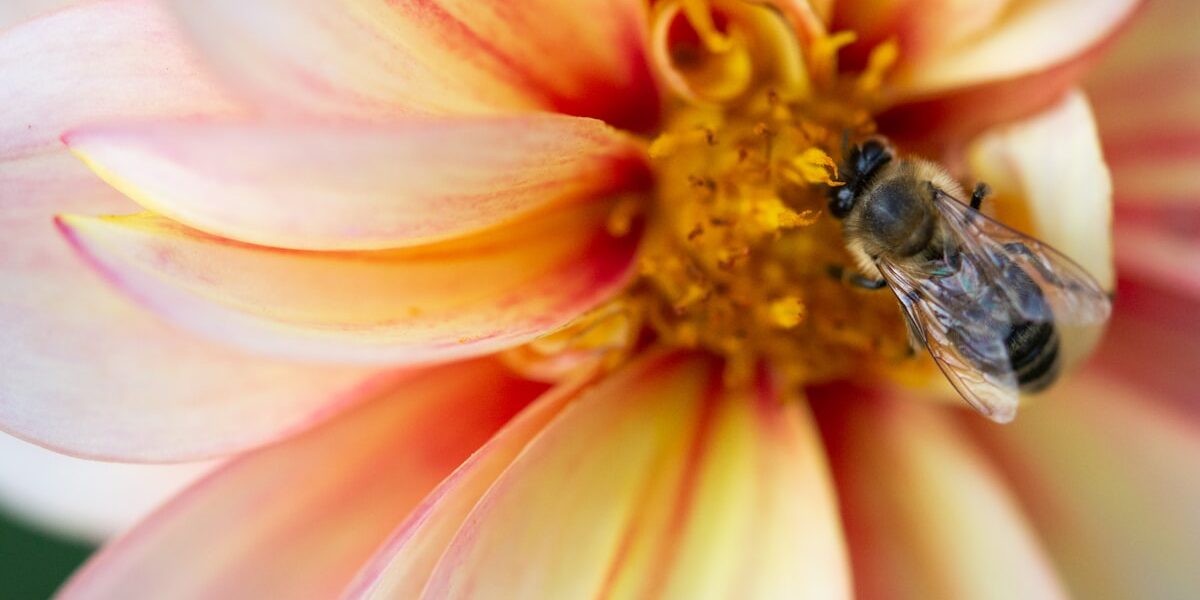
Not all bugs in your garden are enemies—in fact, some are your best allies. Beneficial insects work around the clock, hunting pests, pollinating flowers, and breaking down organic matter. Learning to identify and encourage these garden helpers saves you money on pesticides while creating a balanced, healthy ecosystem.
1. Ladybugs: The Aphid Destroyers
Perhaps the most recognized beneficial insect, ladybugs (technically “lady beetles”) are voracious predators. A single adult ladybug can consume up to 5,000 aphids in its lifetime. But don’t overlook the larvae—these alligator-shaped, black-and-orange creatures are even more efficient hunters than adults.
What they eat: Aphids, mites, scale insects, mealybugs, small caterpillars, insect eggs
How to attract them: Plant dill, fennel, yarrow, and tansy. Avoid pesticides. Provide water sources with pebbles for landing. Don’t buy ladybugs—released ones usually fly away immediately.
2. Lacewings: Delicate but Deadly
Green lacewings appear fragile with their gossamer wings and slow, fluttering flight. But their larvae—sometimes called “aphid lions”—are among the most ferocious predators in the insect world. These tiny creatures inject enzymes into prey and suck out the contents.
What they eat: Aphids, thrips, whiteflies, mealybugs, scale crawlers, spider mites, small caterpillars, insect eggs
How to attract them: Plant cosmos, coreopsis, and Queen Anne’s lace. Adults feed on nectar and pollen, so provide flowering plants throughout the season. Leave some areas unmowed for overwintering habitat.
3. Ground Beetles: Nighttime Patrol
These large, dark, fast-moving beetles hunt at night while you sleep. Ground beetles consume enormous quantities of slugs, snails, cutworms, cabbage maggots, and other soil-dwelling pests. A single beetle can eat more than its body weight in prey nightly.
What they eat: Slugs, snails, cutworms, cabbage root maggots, asparagus beetles, Colorado potato beetle larvae, caterpillars
How to attract them: Maintain permanent plantings and perennial beds. Provide ground cover with mulch, stones, or low-growing plants. Avoid tilling, which destroys their habitat. Leave some leaf litter in garden edges.
4. Parasitic Wasps: Tiny but Mighty
Most people never notice these minuscule wasps—some are smaller than a pinhead. But they’re incredibly effective biological control agents. Female wasps lay eggs inside or on pest insects, and the developing larvae consume the host from within.
Signs they’re working: Aphid “mummies” (bloated, bronze-colored aphids), tomato hornworms covered with white cocoons, and declining pest populations without visible predators.
What they control: Aphids, caterpillars, beetle larvae, whiteflies, scale insects, leaf miners
How to attract them: Plant tiny-flowered herbs and flowers: dill, fennel, cilantro, parsley (let it flower), yarrow, sweet alyssum. These wasps need nectar but have such short mouthparts they can only feed from small flowers.
5. Hoverflies (Syrphid Flies): Double-Duty Helpers
Often mistaken for bees, hoverflies are excellent pollinators as adults and fierce predators as larvae. The maggot-like larvae crawl through aphid colonies, consuming hundreds of pests before pupating.
What larvae eat: Aphids, small caterpillars, thrips
How to attract them: Plant flat-topped flowers like yarrow, Queen Anne’s lace, and sweet alyssum. Adults need pollen and nectar. Allow some aphid populations to persist early in season—they’re food for hoverfly larvae.
6. Predatory Mites: Invisible Allies
You can’t see them without magnification, but predatory mites patrol your plants constantly, hunting spider mites and other tiny pests. Unlike their plant-damaging relatives, predatory mites move quickly and don’t create webbing.
What they eat: Spider mites, rust mites, thrips, fungus gnat larvae
How to encourage them: Avoid broad-spectrum pesticides (even organic ones like pyrethrin). Maintain humidity—predatory mites need more moisture than pest mites. They occur naturally in healthy gardens.
Creating a Beneficial-Friendly Garden
Stop Spraying
Most pesticides—including organic options—kill beneficial insects along with pests. Even “targeted” products often have broader effects than labels suggest. Accept some pest damage; it’s food for the helpers.
Plant Diversity
Beneficial insects need food sources beyond pest insects. Plant flowers from the carrot family (dill, fennel, parsley, cilantro), daisy family (yarrow, coneflowers, asters), and mint family (lavender, bee balm).
Provide Habitat
Mulch, leaf litter, perennial plantings, and brush piles provide shelter. Ground beetles need cover. Lacewings overwinter in plant debris. Don’t be too tidy.
Be Patient
Beneficial insects take time to find your garden and build populations. Early-season pest outbreaks often resolve naturally as predator populations catch up. Resist the urge to spray—you might be killing the cavalry.
A garden full of beneficial insects isn’t just healthier—it’s fascinating. Watch a ladybug larva methodically work through an aphid colony, or observe a parasitic wasp searching for hosts. You’ll never look at your garden the same way again.


Stay in the loop
Get the latest the gardening nook updates delivered to your inbox.