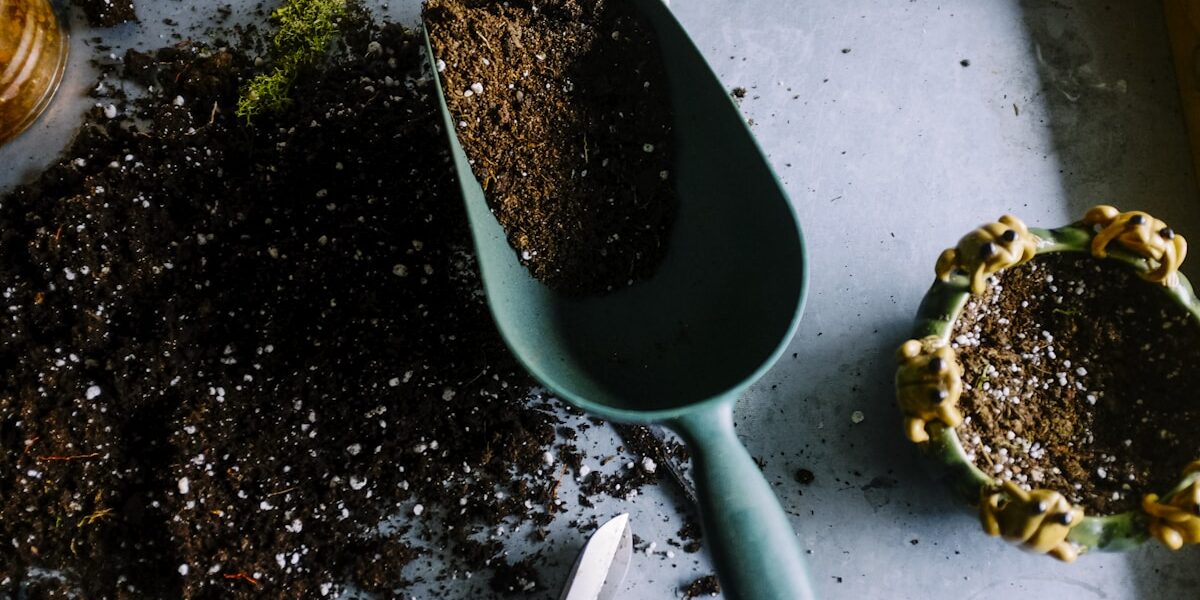
Container gardening opens up a world of possibilities for anyone who wants to grow fresh vegetables, aromatic herbs, and beautiful flowers, regardless of space limitations. Whether you have a small apartment balcony, a sunny patio, or simply want more control over your growing conditions, containers offer flexibility that traditional garden beds cannot match.
This article includes affiliate links. We may earn a commission at no extra cost to you.
This comprehensive guide covers everything you need to know to create a thriving container garden, from selecting the right pots to harvesting your first tomatoes.
Why Choose Container Gardening?
Container gardening provides several distinct advantages over traditional in-ground planting:
- Space efficiency: Perfect for balconies, patios, decks, and small yards
- Mobility: Move plants to follow the sun or protect them from harsh weather
- Soil control: Start with fresh, disease-free growing medium
- Accessibility: Raised containers reduce bending and kneeling
- Pest management: Easier to monitor and protect plants from ground-dwelling pests
- Extended seasons: Bring containers indoors when frost threatens
Choosing the Right Containers
The container you select significantly impacts plant health and your gardening success. Consider these factors when making your choice:
Size Matters
Container size directly affects root development and water retention. Use these guidelines:
- Small herbs (basil, cilantro): 6-8 inch diameter pots
- Lettuce and salad greens: 8-12 inch containers
- Peppers and small tomatoes: 14-18 inch pots, minimum 5 gallons
- Full-size tomatoes and squash: 18-24 inch containers, 10-15 gallons
- Annual flowers: 8-14 inch pots depending on variety
Material Options
Terracotta: Classic appearance and excellent breathability, but heavy and prone to cracking in frost. Dries out quickly, requiring more frequent watering.
Plastic: Lightweight, affordable, and retains moisture well. Choose UV-resistant varieties to prevent cracking in sunlight.
Fabric grow bags: Excellent drainage and air pruning of roots. Lightweight and collapsible for storage. Ideal for vegetables.
Glazed ceramic: Attractive and moisture-retentive. Heavy and can be expensive but lasts for years with proper care.
Wood: Natural appearance and good insulation. Cedar and redwood resist rot naturally. Line with plastic to extend lifespan.
Drainage Requirements
Every container must have drainage holes. Without proper drainage, roots sit in water and develop root rot, the most common cause of container plant death. If your decorative pot lacks holes, use it as a cachepot (decorative outer container) with a plastic nursery pot inside.
Best Vegetables for Container Gardening
Many vegetables thrive in containers when given proper care. These varieties perform exceptionally well:
Tomatoes
Container tomatoes are among the most rewarding crops you can grow. Choose determinate or patio varieties for best results:
- Patio Princess: Compact plants, abundant 2-inch fruits
- Tumbling Tom: Perfect for hanging baskets
- Bush Early Girl: Determinate variety with full-size flavor
- Cherry varieties: Sun Gold, Sweet Million, and Super Sweet 100
Provide at least 6-8 hours of direct sunlight, consistent watering, and a sturdy cage or stake for support. Feed with tomato-specific fertilizer every two weeks once flowering begins.
Peppers
Both sweet and hot peppers adapt well to container culture. They actually benefit from the warmer soil temperatures containers provide:
- Bell peppers: Need 5-gallon containers minimum
- Jalapenos and serranos: Compact and prolific producers
- Mini bells: Perfect for smaller pots
Salad Greens
Lettuce, spinach, arugula, and mixed greens are ideal container crops. They mature quickly, tolerate partial shade, and allow for cut-and-come-again harvesting:
- Shallow containers work well since greens have modest root systems
- Succession plant every 2-3 weeks for continuous harvests
- Provide afternoon shade in hot climates to prevent bolting
Beans and Peas
Bush varieties work best in containers:
- Bush beans: Blue Lake Bush, Provider, Contender
- Peas: Sugar Ann, Little Marvel (provide small trellis)
Root Vegetables
Choose shorter varieties bred for containers:
- Carrots: Thumbelina, Paris Market, Little Finger
- Radishes: French Breakfast, Cherry Belle (ready in 25 days)
- Beets: Detroit Dark Red, Bull’s Blood
Herbs for Container Gardens
Herbs may be the perfect container plants. Most are compact, many are perennial, and having fresh herbs steps away from your kitchen transforms everyday cooking.
Annual Herbs
Basil: The most popular kitchen herb thrives in containers with full sun and regular pinching to prevent flowering. Genovese for pesto, Thai for Asian dishes, and Purple Ruffles for ornamental appeal.
Cilantro: Plant successive crops every 2-3 weeks since it bolts quickly in heat. Slow-bolt varieties extend your harvest window.
Dill: Choose Fernleaf for containers, a compact variety reaching only 18 inches. Excellent companion for cucumbers and fish dishes.
Perennial Herbs
Rosemary: Loves containers and tolerates drought once established. Bring indoors in zones colder than 7. Excellent for roasted meats and bread.
Thyme: Low-growing and spreading, perfect for container edges. Dozens of varieties from lemon to caraway-scented.
Oregano: Vigorous grower that actually benefits from container boundaries. Greek oregano offers the best culinary flavor.
Mint: Plant mint only in containers to prevent it from taking over your garden. Spearmint, peppermint, and chocolate mint each bring unique flavors.
Chives: Virtually indestructible, with edible purple flowers. Both regular chives and garlic chives perform well in pots.
Flowers for Container Displays
Container flowers create instant color and can be changed seasonally for year-round interest.
Sun-Loving Annuals
- Petunias: Available in every color, excellent for cascading over container edges
- Marigolds: Compact varieties add golden hues and deter some pests
- Zinnias: Cut-and-come-again flowers in brilliant colors
- Geraniums: Classic container plants that tolerate heat and drought
- Calibrachoa (Million Bells): Prolific bloomers resembling mini petunias
Shade-Tolerant Options
- Impatiens: Bright blooms for shady spots (avoid wet foliage to prevent disease)
- Begonias: Both wax and tuberous types thrive in shade containers
- Coleus: Grown for dramatic foliage rather than flowers
- Fuchsia: Elegant hanging basket specimens for cool, shady locations
Thriller, Filler, Spiller Design
Create professional-looking mixed containers using this proven formula:
- Thriller: A tall, upright focal point in the center (ornamental grass, canna, dracaena)
- Filler: Mounding plants around the thriller (petunias, geraniums, coleus)
- Spiller: Trailing plants cascading over edges (sweet potato vine, trailing verbena, ivy)
Soil and Growing Medium
Never use garden soil in containers. It compacts, drains poorly, and may harbor diseases and pests. Instead, use quality potting mix designed for containers.
What to Look For
Quality potting mix contains:
- Peat moss or coco coir: Retains moisture while providing structure
- Perlite or vermiculite: Improves drainage and aeration
- Compost: Adds nutrients and beneficial microorganisms
For vegetables and heavy feeders, amend standard potting mix with compost or choose a mix specifically formulated for vegetables.
Refreshing Potting Mix
Potting mix degrades over time. At the start of each growing season:
- Remove the top few inches and replace with fresh mix
- Add compost to replenish nutrients
- Replace entirely every 2-3 years
Watering Container Plants
Watering is the most critical and challenging aspect of container gardening. Containers dry out faster than garden beds and require more frequent attention.
When to Water
Check soil moisture daily during hot weather. Insert your finger 1-2 inches into the soil:
- If dry: Water thoroughly until it drains from the bottom
- If moist: Check again tomorrow
- If soggy: Improve drainage and reduce watering frequency
Watering Best Practices
- Water in the morning when possible to reduce disease
- Water the soil, not the foliage
- Water until it flows freely from drainage holes
- Empty saucers after 30 minutes to prevent root rot
- Consider self-watering containers or drip irrigation for consistency
Fertilizing Container Plants
Container plants need regular fertilizing because nutrients leach out with watering and limited soil volume depletes quickly.
Fertilizer Options
Slow-release granular: Mix into potting soil at planting. Provides steady nutrition for 3-4 months.
Water-soluble fertilizer: Apply every 1-2 weeks during active growth. Provides quick nutrition but requires consistency.
Organic options: Fish emulsion, compost tea, and kelp extract feed plants and soil biology.
Feeding Schedule
- Vegetables: Feed every 2 weeks with balanced fertilizer; switch to high-phosphorus when flowering
- Herbs: Light feeding; too much nitrogen reduces essential oil concentration
- Flowers: Regular feeding promotes continuous blooms
Seasonal Care and Maintenance
Spring
- Clean and inspect containers
- Refresh or replace potting mix
- Start seeds indoors or purchase transplants
- Harden off plants before moving outdoors permanently
Summer
- Water frequently, possibly twice daily in extreme heat
- Harvest vegetables regularly to encourage production
- Deadhead flowers to promote continuous blooming
- Watch for pest problems
Fall
- Plant cool-season crops (lettuce, spinach, kale)
- Bring tender perennials indoors before frost
- Add mums and ornamental cabbage for fall color
Winter
- Move hardy perennial containers to protected locations
- Empty and store terracotta pots to prevent cracking
- Clean and organize for next season
Troubleshooting Common Problems
Wilting Despite Wet Soil
This indicates root rot from overwatering or poor drainage. Reduce watering, ensure drainage holes are clear, and consider repotting in fresh, well-draining mix.
Yellow Leaves
Could indicate overwatering, underwatering, or nutrient deficiency. Check soil moisture first. If watering is correct, apply balanced fertilizer.
Leggy, Stretched Growth
Plants are reaching for light. Move to a sunnier location or provide supplemental lighting.
Few Flowers or Fruits
Often caused by too much nitrogen fertilizer, which promotes leaf growth over flowering. Switch to high-phosphorus fertilizer. For tomatoes, ensure consistent watering to prevent blossom drop.
Getting Started
Container gardening rewards both beginners and experienced gardeners. Start small with a few containers of herbs or a single tomato plant. As you gain confidence, expand your container garden to include more vegetables, herbs, and flowers.
The key to success lies in choosing appropriate containers, using quality potting mix, and maintaining consistent watering and feeding schedules. With attention to these basics, you’ll enjoy fresh harvests and beautiful blooms throughout the growing season.
Remember that container gardening is forgiving. If something doesn’t work, simply try a different approach next season. Each container is an opportunity to experiment and learn.


Stay in the loop
Get the latest the gardening nook updates delivered to your inbox.