The Science Behind Companion Planting
Companion planting—the practice of growing certain plants together for mutual benefit—has been practiced for centuries across cultures worldwide. While traditional knowledge forms the foundation, modern research increasingly validates many companion planting practices and explains the mechanisms behind them.
Understanding why companion planting works helps gardeners apply principles thoughtfully rather than following rigid rules. Plants interact through multiple mechanisms: they share nutrients, attract or repel insects, provide physical support or shade, and communicate through chemical signals in the soil and air.
Nitrogen Fixation
Legumes (peas, beans, clover, vetch) form partnerships with soil bacteria that convert atmospheric nitrogen into plant-available forms. This nitrogen benefits neighboring plants and enriches the soil for future crops. Interplanting legumes with heavy nitrogen feeders like corn provides natural fertilization—a principle demonstrated in the traditional Three Sisters planting.
The nitrogen fixation process works through rhizobia bacteria that colonize legume roots, forming nodules where nitrogen conversion occurs. While most fixed nitrogen benefits the legume itself, some transfers to neighboring plants through root exudates and decomposing root material. After the legume dies, residual nitrogen becomes available to subsequent crops.
Pest Deterrence
Many plants produce aromatic compounds that confuse or repel pest insects. Strong-scented herbs like basil, rosemary, and sage may mask the scent of nearby vegetables, making them harder for pests to locate. Other plants produce compounds that directly repel specific pests—marigolds, for example, release thiophenes that deter nematodes and some insects.
The mechanism varies by plant and pest combination. Some aromatic plants simply overwhelm pest senses; others produce compounds that interfere with pest reproduction or feeding. The effectiveness depends on plant density, pest pressure, and environmental conditions—companion planting alone rarely eliminates pests but can significantly reduce damage.
Beneficial Insect Attraction
Flowering plants attract predatory and parasitic insects that control pest populations. Lady beetles, lacewings, hoverflies, and parasitic wasps all require nectar and pollen sources as adults, even though their larvae prey on pest insects. Planting flowers among vegetables creates habitat for these beneficial species.
Small-flowered plants in the carrot family (dill, fennel, cilantro, yarrow) are particularly valuable for attracting tiny parasitic wasps that control aphids, caterpillars, and other pests. The umbrella-shaped flower clusters provide landing platforms and accessible nectar for these small-bodied insects.
Trap Cropping
Trap crops attract pests away from main crops. Nasturtiums, for example, attract aphids more strongly than many vegetables—aphids feeding on nasturtiums leave tomatoes alone. Blue Hubbard squash attracts squash bugs and vine borers, protecting other squash varieties nearby.
Effective trap cropping requires understanding pest preferences and timing. Plant trap crops before main crops to establish populations that draw pests when they arrive. Trap crops may need management—removing heavily infested plants before pests disperse to main crops.
Physical Benefits
Some companion relationships provide structural support or environmental modification. Corn stalks support climbing beans. Tall plants shade lettuce during hot weather, extending harvests. Living mulches cover soil, suppressing weeds and moderating soil temperature.
The Three Sisters combination—corn, beans, and squash—demonstrates multiple physical benefits: corn provides support for beans, squash shades the soil, and all three create a dense canopy that suppresses weeds.
Allelopathy: Chemical Warfare Between Plants
Plants also compete through chemical means. Allelopathic plants release compounds that inhibit the growth of neighboring plants, competing for space and resources. Understanding allelopathy helps gardeners avoid problematic combinations.
Black walnut trees are the most famous allelopathic plants—their roots release juglone, which kills or stunts tomatoes, peppers, eggplant, and other sensitive plants. Sunflowers inhibit many vegetables; fennel suppresses most garden plants. These species need isolation or careful placement.
Vegetable-by-Vegetable Companion Guide
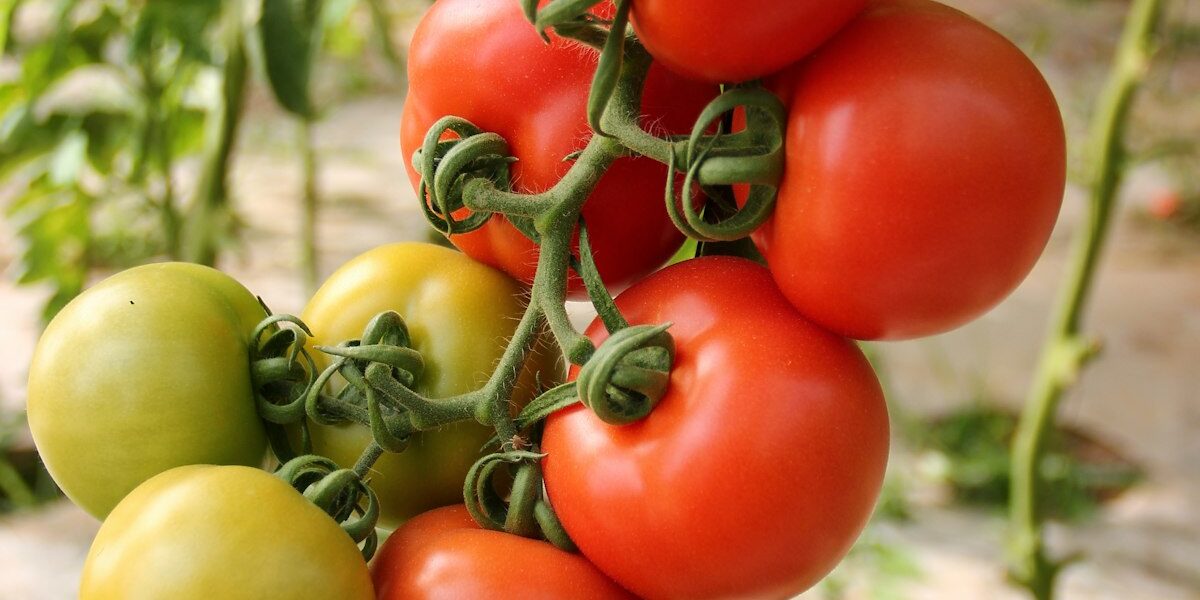
Tomatoes
Tomatoes form the centerpiece of many companion planting schemes, benefiting from numerous plant partnerships.
Good companions:
- Basil: The classic tomato companion, basil may repel aphids, whiteflies, and mosquitoes. Some gardeners report improved tomato flavor when basil grows nearby, though scientific evidence is limited. At minimum, the combination makes culinary sense.
- Carrots: Break up soil around tomato roots, improving aeration. Tomatoes may benefit carrots by repelling carrot fly.
- Parsley: Attracts hoverflies whose larvae eat aphids. The deep taproot accesses nutrients unavailable to shallow-rooted tomatoes.
- Asparagus: Repels nematodes that damage tomato roots. Tomatoes reciprocate by deterring asparagus beetles.
- Lettuce and spinach: Benefit from tomato shade during hot weather while their low growth doesn’t compete.
- Peppers: Share similar growing requirements and can interplant successfully, though both are nightshades with similar pest issues.
- Marigolds: Deter nematodes and attract beneficial insects. French marigolds are particularly effective.
Poor companions:
- Brassicas (cabbage, broccoli, kale): Heavy feeders that compete for nutrients; different growing requirements.
- Corn: Both attract corn earworm/tomato fruitworm, increasing pest pressure.
- Fennel: Inhibits most garden vegetables including tomatoes.
- Potatoes: Both are nightshades susceptible to the same diseases, especially late blight.
- Walnuts: Juglone toxicity kills or severely damages tomatoes.
Peppers and Eggplant
As nightshade family members, peppers and eggplant share many companions and enemies with tomatoes.
Good companions:
- Basil: Repels aphids and thrips while attracting pollinators.
- Tomatoes: Compatible growing requirements; interplanting provides variety.
- Spinach: Benefits from shade; doesn’t compete significantly.
- Carrots: Loosen soil without competing.
- Onions and garlic: Deter aphids and other pests.
- Marigolds: Deter nematodes and attract beneficials.
Poor companions:
- Fennel: Inhibits pepper growth.
- Kohlrabi: Stunts pepper growth.
- Brassicas generally: Different requirements, heavy feeding competitors.
Beans and Peas (Legumes)
Legumes fix nitrogen, making them valuable companions for nitrogen-hungry plants.
Good companions:
- Corn: Benefits from nitrogen fixation; provides support for pole beans. Classic Three Sisters combination.
- Squash: Benefits from nitrogen; ground cover shades bean roots and suppresses weeds.
- Carrots: Benefit from nitrogen while not competing significantly.
- Cucumbers: Enjoy nitrogen boost; sprawling growth complements upright beans.
- Radishes: Mark rows, mature before beans need space, benefit from nitrogen.
- Potatoes: Beans deter Colorado potato beetles; potatoes don’t compete heavily.
- Brassicas: Benefit from nitrogen, though mature beans may shade short brassicas.
- Savory: Said to improve bean flavor and deter bean beetles.
Poor companions:
- Alliums (onions, garlic, chives): May inhibit bean growth through chemical compounds.
- Fennel: Inhibits most plants including beans.
Corn
As a heavy nitrogen feeder, corn benefits tremendously from legume companions.
Good companions:
- Beans: Fix nitrogen that corn needs; use corn stalks for support. The ultimate companion relationship.
- Squash: Shades corn roots, suppresses weeds, completes the Three Sisters.
- Peas: Fix nitrogen for early-planted corn.
- Potatoes: Occupy space between corn rows; different root zones minimize competition.
- Melons and cucumbers: Sprawl between corn rows without significant competition.
- Sunflowers: Mark row ends; attract pollinators (though potentially allelopathic in large numbers).
Poor companions:
- Tomatoes: Share corn earworm/tomato fruitworm; planting together increases pest pressure.
Squash, Cucumbers, and Melons (Cucurbits)
These sprawling vines need room but combine well with upright companions.
Good companions:
- Corn: Provides trellising for some cucumbers; squash shades corn roots. Classic combination.
- Beans: Fix nitrogen cucurbits need; occupy different space.
- Radishes: May deter cucumber beetles; mark rows; mature before vines spread.
- Marigolds: Deter beetles and nematodes.
- Nasturtiums: Trap crop for aphids; attract predatory insects.
- Oregano and dill: Repel pests; attract beneficial insects.
- Sunflowers: Attract pollinators needed for fruit set.
Poor companions:
- Potatoes: Compete for nutrients; may increase disease transfer.
- Strong herbs: Very aromatic herbs may impact cucurbit flavor.
Brassicas (Cabbage, Broccoli, Kale, Brussels Sprouts, Cauliflower)
These cool-season heavy feeders have specific companion needs.

Good companions:
- Onions and garlic: Deter cabbage loopers, imported cabbageworms, and other brassica pests.
- Beets: Compatible growth habits; benefit from shade in warm weather.
- Celery: Said to deter cabbage white butterflies.
- Chamomile: May improve brassica growth and flavor; attracts beneficials.
- Dill: Attracts parasitic wasps that control cabbageworms.
- Nasturtiums: Trap crop for aphids; attract predators.
- Rosemary, sage, thyme: Aromatic herbs confuse cabbage moths.
- Spinach and lettuce: Fill gaps; mature before brassicas need full space.
Poor companions:
- Strawberries: Susceptible to similar diseases; competition for nutrients.
- Tomatoes: Heavy feeders competing for same nutrients; different growing requirements.
- Other brassicas: Planting all brassicas together concentrates pests; interplant with non-brassicas to break up pest habitat.
Carrots
Carrots’ long growing season and deep roots make them versatile companions.
Good companions:
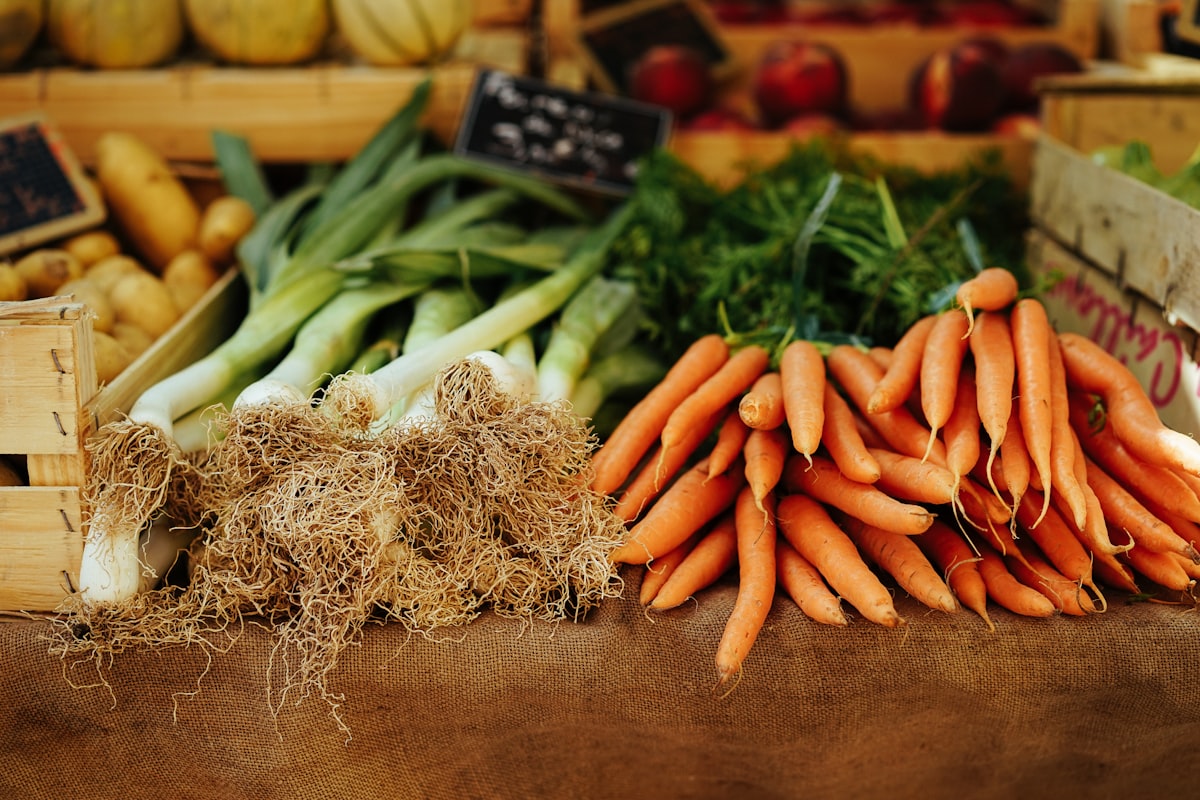
- Onions and leeks: Strong scent confuses carrot fly; carrots may deter onion fly.
- Lettuce: Quick to mature; marks rows while carrots germinate slowly.
- Radishes: Mark rows; break up soil crust to help carrot germination.
- Tomatoes: Carrots may benefit from tomato pest deterrence; their root zones don’t compete.
- Chives: Deter carrot fly; compact growth doesn’t compete.
- Rosemary and sage: Aromatic herbs may confuse carrot fly.
- Beans: Fix nitrogen without significant competition.
Poor companions:
- Dill: Cross-pollinates with carrots (only matters if saving seed); mature dill may inhibit carrot growth.
- Parsnips: Attract same pests; concentrate problems.
Onions, Garlic, and Leeks (Alliums)
Alliums’ strong scent makes them valuable pest deterrents for many vegetables.
Good companions:
- Carrots: Classic partnership—alliums deter carrot fly, carrots deter onion fly.
- Brassicas: Alliums deter many brassica pests.
- Tomatoes: Onions and garlic may deter aphids and other tomato pests.
- Lettuce: Doesn’t compete; benefits from allium pest deterrence.
- Beets: Compatible growth; minimal competition.
- Chamomile: Said to improve onion growth.
- Strawberries: Alliums may deter various strawberry pests.
Poor companions:
- Beans and peas: Alliums may inhibit legume growth.
- Asparagus: Competition; different long-term requirements.
Lettuce and Salad Greens
Quick-maturing greens fit into many companion schemes as space fillers.
Good companions:
- Carrots: Lettuce marks rows; matures before carrots need space.
- Radishes: Similar quick harvest; grow between slow-maturing crops.
- Strawberries: Lettuce fills gaps; benefits from strawberry shade.
- Chives: Deter aphids without competing.
- Tall crops (corn, tomatoes, beans): Provide beneficial shade in warm weather.
Poor companions:
- Celery: Competition for similar resources.
Potatoes
Potatoes’ underground growth and heavy feeding affect companion choices.
Good companions:
- Beans: Fix nitrogen potatoes need; may deter Colorado potato beetles.
- Horseradish: Said to increase potato disease resistance (plant at corners of potato patch).
- Corn: Different growth habits minimize competition; can share space.
- Marigolds: Deter nematodes and beetles.
- Cabbage family: Different root zones; fill space around potato hills.
- Peas: Fix nitrogen early in season before potatoes need space.
Poor companions:
- Tomatoes: Same late blight susceptibility; planting near each other increases disease spread.
- Cucurbits: Heavy feeders competing for same nutrients.
- Raspberries: Increase potato’s susceptibility to blight.
- Sunflowers: Allelopathic compounds may inhibit potatoes.
Herbs for Companion Planting
Herbs serve as companion planting workhorses, providing pest deterrence, beneficial insect attraction, and culinary utility in minimal space.
Basil
Essential companion for tomatoes and peppers. May repel aphids, whiteflies, mosquitoes, and flies. Attracts pollinators when flowering. Plant throughout the vegetable garden, not just near tomatoes.
Dill
Attracts parasitic wasps that control caterpillars, aphids, and other pests. Let some plants flower for maximum benefit. Companion for cabbage family, lettuce, and cucumbers. Keep away from carrots if saving seed (cross-pollination).
Cilantro/Coriander
Attracts beneficial insects when flowering. Repels aphids, spider mites, and potato beetles. Good companion for tomatoes, spinach, and peppers. Bolt-prone in Pacific Northwest summers—succession plant or let it flower for beneficial insect habitat.
Parsley
Attracts hoverflies whose larvae eat aphids. Deep taproot accesses nutrients for shallow-rooted companions. Biennial—second-year flowers provide early season nectar. Plant near tomatoes, asparagus, and roses.
Mint
Repels aphids, flea beetles, and cabbage moths. MUST be contained—spreads aggressively through underground runners. Grow in pots sunk into the ground or plant in isolated areas. Effective near brassicas and tomatoes when controlled.
Rosemary
Repels cabbage moths, carrot fly, and bean beetles. Attracts pollinators. Perennial in Pacific Northwest—permanent landscape plant. Place near brassicas, beans, and carrots.
Sage
Repels cabbage moths and carrot fly. Strong scent may deter various pests. Perennial companion for cabbage family. Avoid planting near cucumbers—may inhibit growth.
Thyme
Repels cabbageworms and whiteflies. Low-growing ground cover suppresses weeds. Attracts pollinators when flowering. Good companion for brassicas, eggplant, and tomatoes.
Oregano
General pest deterrent with strong fragrance. Attracts beneficial insects. Low-growing; works as living mulch. Compatible with most vegetables; especially helpful near peppers and squash.
Chives
Repels aphids and carrot fly. Pretty flowers attract pollinators. Compact growth allows interplanting throughout the garden. Particularly good near carrots, tomatoes, and grapes.
Chamomile
Improves growth and flavor of nearby plants, especially cabbage and onions. Attracts beneficial insects. Accumulates nutrients that benefit neighboring plants. Plant sparingly throughout the garden.
Flowers for Companion Planting
Marigolds
The ultimate companion planting flower. French marigolds (Tagetes patula) release compounds that suppress root-knot nematodes in the soil—the effect persists even after marigolds are removed. All marigolds attract beneficial insects and deter various pests. Interplant throughout the vegetable garden.
For nematode suppression, plant densely and leave in place for at least two months. The allelopathic compounds take time to accumulate and persist in soil.
Nasturtiums
Premier trap crop for aphids—they prefer nasturtiums over most vegetables. Also trap crop for cabbage butterflies and squash bugs. Edible flowers add color to salads. Let them sprawl among vegetables or contain in containers.
Monitor nasturtiums for pest buildup. If heavily infested, remove and destroy before pests disperse. Replace with fresh plants to maintain the trap.
Calendula (Pot Marigold)
Attracts beneficial insects, especially hoverflies. Sticky leaves trap aphids and whiteflies. Repels some pests through scent. Edible flowers with medicinal properties. Self-seeds readily for continuous presence.
Sunflowers
Attract pollinators essential for fruiting vegetables. Provide support for climbing crops. Create shade for heat-sensitive plants. However, sunflowers are allelopathic—their residues inhibit many plants. Plant around garden edges rather than interplanted.
Zinnias
Attract pollinators and beneficial insects, especially butterflies. Easy to grow from seed. Continuous bloom throughout summer. Interplant with vegetables needing pollination: squash, cucumbers, melons.
Cosmos
Attract lacewings, parasitic wasps, and other beneficials. Ferny foliage doesn’t shade vegetables significantly. Long blooming season. Plant among vegetables or at garden edges.
Alyssum
Low-growing flower attracts tiny parasitic wasps. Sweet fragrance attracts pollinators. Works as living mulch between vegetables. Self-seeds readily. Excellent in container edges or between rows.
Yarrow
Perennial that attracts numerous beneficial insects. Flat flower heads provide landing platforms for tiny wasps. Accumulates potassium, phosphorus, and copper—nutrient accumulator for compost. Plant at garden edges or in permanent companion beds.
Traditional Companion Planting Methods
The Three Sisters
This Native American planting method combines corn, beans, and squash for mutual benefit. The combination demonstrates multiple companion planting principles:
- Corn provides vertical support for climbing beans while its tall growth catches maximum sun.
- Beans fix nitrogen that feeds both corn and squash while climbing corn stalks saves garden space.
- Squash sprawls across the ground, shading soil to retain moisture and suppress weeds. Prickly squash leaves deter raccoons and other pests.
Planting the Three Sisters:
- Create mounded hills 4-5 feet apart, about 12 inches high and 18 inches across.
- Plant 4-6 corn seeds in the center of each mound. Wait until corn is 6 inches tall before adding beans and squash.
- Plant 4 bean seeds around each corn stalk, about 6 inches out.
- Plant 2-3 squash seeds at the edge of each mound, or between mounds.
Modern adaptations vary the spacing and crop selection while maintaining the principles. Winter squash works better than summer squash for traditional spacing; bush beans substitute where space is limited.
French Intensive/Biointensive Methods
These methods maximize production through close planting of compatible crops. Key principles:
- Deep soil preparation: Double-digging creates loose, fertile beds that support intensive planting.
- Hexagonal spacing: Plants arranged in staggered rows rather than squares maximize plants per area while maintaining adequate spacing.
- Compatible combinations: Tall plants with shade-tolerant ground cover; deep-rooted with shallow-rooted; heavy feeders with nitrogen fixers.
Polyculture and Guilds
Permaculture extends companion planting into plant guilds—communities of plants that support each other long-term. A fruit tree guild might include:
- Central fruit tree
- Nitrogen-fixing shrubs (autumn olive, Siberian pea shrub)
- Nutrient-accumulating plants (comfrey, yarrow)
- Insectary plants (fennel, yarrow, wild flowers)
- Ground cover (clover, creeping thyme)
- Bulbs (garlic, daffodils—for pest deterrence)
Planning Your Companion Planting Layout
Basic Principles
When designing companion planting beds:
- Consider mature size: Small plants that mature quickly can fill space until larger plants need it.
- Match growth rates: Combine plants that mature at similar times for easier bed succession.
- Vary height: Tall plants at north end; short plants where they won’t be shaded.
- Include flowers and herbs: Every bed benefits from beneficial insect habitat.
- Rotate annually: Don’t repeat companion combinations in the same bed—rotate entire combinations.
Sample Companion Planting Bed Layouts
Tomato Bed (4×8 feet):
- 3 tomato plants along north side
- Basil plants between tomatoes
- Carrots in front of tomatoes
- Lettuce and spinach in early season, replaced by basil as weather warms
- Marigolds at corners
- Parsley along edges
Cole Crop Bed (4×8 feet):
- Broccoli and cabbage plants spaced throughout
- Onions or garlic between brassica plants
- Dill at one end (let flower for beneficials)
- Calendula and nasturtiums for pest control
- Lettuce filling gaps while brassicas establish
Three Sisters Mound:
- Corn in center
- Pole beans around corn
- Winter squash at edges
- Sunflowers at perimeter for pollinator attraction
- Low-growing marigolds between mounds
Pacific Northwest Companion Planting Considerations
Our maritime climate affects companion planting in several ways:
Extended Cool-Season Growing
The Pacific Northwest’s mild winters and cool summers favor brassicas and other cool-season crops. Take advantage with year-round companion plantings:
- Fall-planted garlic provides spring pest protection as vegetables emerge
- Overwintering brassicas benefit from perennial herb companions
- Early-season peas fix nitrogen for summer crops
Slug Management
Our wet climate supports large slug populations. Some companion planting helps:
- Strongly aromatic herbs may deter slugs from adjacent plants
- Copper tape around raised beds provides barriers
- Ground beetle habitat (mulch, cover crops) encourages predators
- Sacrificial plants (lettuce edges) may draw slugs from main crops
Late Blight Considerations
Separating tomatoes and potatoes is especially important here—our wet falls favor late blight spread between these related crops. Plant on opposite sides of the garden and avoid overhead watering both.
Season Extension
Companion planting under row covers works well when combinations are planned:
- Fall salad mixes with bolt-resistant companions
- Overwintering onions with hardy herbs
- Early peas with lettuce and radishes
Companion Planting Troubleshooting
When Companions Don’t Seem to Help
Companion planting reduces but doesn’t eliminate pests. If problems persist:
- Increase companion plant density—a few scattered herbs provide less benefit than solid plantings
- Ensure companions are healthy and vigorous—stressed plants produce fewer defensive compounds
- Allow herbs to flower—many benefits come from flowering plants
- Combine multiple approaches—companion planting works best as part of integrated pest management
Competition Problems
Sometimes companion plants compete rather than complement:
- Ensure adequate spacing for mature plant size
- Provide sufficient fertility for all plants—heavy feeders may overwhelm companions without adequate nutrition
- Remove companions that significantly outcompete main crops
- Consider succession planting—early companions harvested before main crops need space
Allelopathy Issues
If plants near certain companions struggle:
- Research potential allelopathic effects
- Increase distance between problem plants
- Remove allelopathic plant residues from beds
- Allow time between allelopathic crops and sensitive successors
Getting Started with Companion Planting
Begin with proven combinations and expand from experience:
- Start simple: Add basil to tomatoes, marigolds to everything, dill to cabbage family.
- Include flowers: Every bed benefits from pollinator and beneficial insect habitat.
- Observe results: Note which combinations seem to help and which don’t work in your garden.
- Experiment gradually: Try new combinations in part of your garden while maintaining proven methods elsewhere.
- Keep records: Document what you planted together and the results for future reference.
Companion planting isn’t magic—it’s applied ecology. Understanding the mechanisms helps you design combinations that work for your specific garden, pests, and growing conditions. Combined with good soil, appropriate varieties, and sound cultural practices, companion planting contributes to healthy, productive gardens that thrive with minimal intervention.




Stay in the loop
Get the latest the gardening nook updates delivered to your inbox.