The Power of Mulch in Pacific Northwest Gardens
Mulch is the unsung hero of successful gardening. A simple layer of organic material on your soil surface conserves water, suppresses weeds, moderates soil temperature, and feeds your soil as it decomposes. In the Pacific Northwest, where our dry summers contrast sharply with wet winters, proper mulching can cut watering needs in half while improving soil health year after year.
Benefits of Mulching
Water Conservation
Bare soil loses moisture rapidly to evaporation. A 2-4 inch layer of mulch can reduce water loss by 50% or more—crucial during our dry summers when irrigation becomes essential. Mulched gardens need watering less frequently, saving both time and water.
Weed Suppression
Mulch blocks light from reaching weed seeds, preventing germination. Seeds that do germinate in mulch are easy to pull since their roots grow in loose organic matter rather than compacted soil. A well-mulched garden requires far less weeding.
Temperature Moderation
Mulch insulates soil from temperature extremes. In summer, mulched soil stays cooler, protecting roots during heat waves. In winter, mulch moderates freeze-thaw cycles that heave plants out of the ground.
Soil Building
As organic mulches decompose, they add organic matter to soil, improving structure, water retention, and nutrient availability. Mulch feeds the soil organisms that create healthy, living soil.
Disease Prevention
Mulch prevents soil from splashing onto leaves during rain or watering—a major pathway for soil-borne diseases like tomato blight. This is particularly valuable in our rainy Pacific Northwest climate.
Types of Mulch for Pacific Northwest Gardens
Straw
One of the best mulches for vegetable gardens. Light, easy to spread, and breaks down in a single season, adding organic matter to soil.
- Pros: Inexpensive, readily available, excellent for vegetables, breaks down completely
- Cons: Can harbor slugs, may contain weed seeds if using hay instead of straw
- Best uses: Vegetable gardens, pathways, around strawberries
- Application: 3-6 inches; settles to about half that depth
Wood Chips
Long-lasting mulch ideal for permanent plantings. Arborist chips (mixed species from tree services) are often free and decompose more slowly than commercial chips.
- Pros: Long-lasting (2-3 years), often free from tree services, attractive appearance
- Cons: Can rob nitrogen from soil as it decomposes, not ideal for annual vegetables
- Best uses: Trees, shrubs, perennial beds, pathways
- Application: 3-4 inches, keeping clear of trunks and stems
Bark Mulch
Attractive, uniform appearance. Available in fine, medium, and large chip sizes. More expensive than arborist chips but more consistent.
- Pros: Attractive, available in different colors and sizes, stays in place well
- Cons: More expensive, may float away in heavy rain
- Best uses: Ornamental beds, foundation plantings
- Application: 2-3 inches for fine bark, 3-4 for larger chips
Leaves
Free and abundant in fall. Shred leaves before using—whole leaves mat and shed water. Excellent for adding organic matter.
- Pros: Free, adds excellent organic matter, attracts earthworms
- Cons: Must be shredded, can mat if wet, may blow away
- Best uses: Vegetable gardens, perennial beds, around trees
- Application: 3-4 inches shredded
Grass Clippings
Free source of nitrogen-rich organic matter. Use only untreated grass, apply in thin layers to prevent matting and odor.
- Pros: Free, adds nitrogen, readily available
- Cons: Can mat and smell if applied too thick, may contain herbicide residue
- Best uses: Vegetable gardens, mixed with other materials
- Application: 1-2 inches at a time; let dry before adding more
Compost
The premium mulch that also feeds plants. More expensive to use in thick layers, but excellent benefits.
- Pros: Feeds soil and plants, improves soil structure, suppresses disease
- Cons: Expensive in large quantities, may contain weed seeds if not fully composted
- Best uses: Any garden area, especially around vegetables and perennials
- Application: 1-2 inches; can be topped with other mulch
Living Mulch
Low-growing plants that cover soil between crops. In the Pacific Northwest, clover between rows or around perennials provides living mulch that also fixes nitrogen.
- Pros: Adds nitrogen (legumes), provides pollinator habitat, permanent coverage
- Cons: Competes with crops for water, requires management
- Best uses: Orchards, established perennial beds, pathways
When and How to Apply Mulch
Spring Application
Wait until soil warms before mulching vegetable gardens—early mulching keeps soil cold and delays plant growth. In the Seattle area, wait until mid-May for warm-season crops.
For perennials and established plantings, apply mulch in early spring as growth begins. This suppresses weeds before they establish.
Fall Application
Apply mulch around perennials after the ground begins to freeze (usually December in the Pacific Northwest). This moderates freeze-thaw cycles and protects roots.
Spread fall leaves over vegetable beds to protect soil and add organic matter for spring.
Application Guidelines
- Depth: 2-4 inches for most organic mulches
- Keep away from stems: Leave 1-2 inches of clear space around plant stems and tree trunks to prevent rot
- Don’t pile against bark: “Volcano mulching” (piling mulch against tree trunks) kills trees
- Refresh as needed: Add mulch as it decomposes, usually annually for fast-decomposing types
Mulching Challenges in the Pacific Northwest
Slug Habitat
Mulch provides excellent slug hiding spots. In slug-prone gardens:
- Use less moisture-retentive mulches (bark rather than straw)
- Keep mulch thinner near vulnerable plants
- Use slug control methods in mulched areas
- Consider gravel or crushed shell around susceptible crops
Winter Wetness
Our wet winters can make heavily mulched soil too soggy. Avoid mulching right against plant crowns where moisture can cause rot. Some gardeners pull mulch back from perennial crowns in fall.
Nitrogen Draw-Down
Fresh wood products temporarily tie up soil nitrogen as they decompose. For vegetable gardens, either:
- Use finished compost or straw instead of wood chips
- Add nitrogen (blood meal, composted manure) when using wood mulch
- Reserve wood chips for pathways and perennial areas
Mulching Specific Garden Areas
Vegetable Gardens
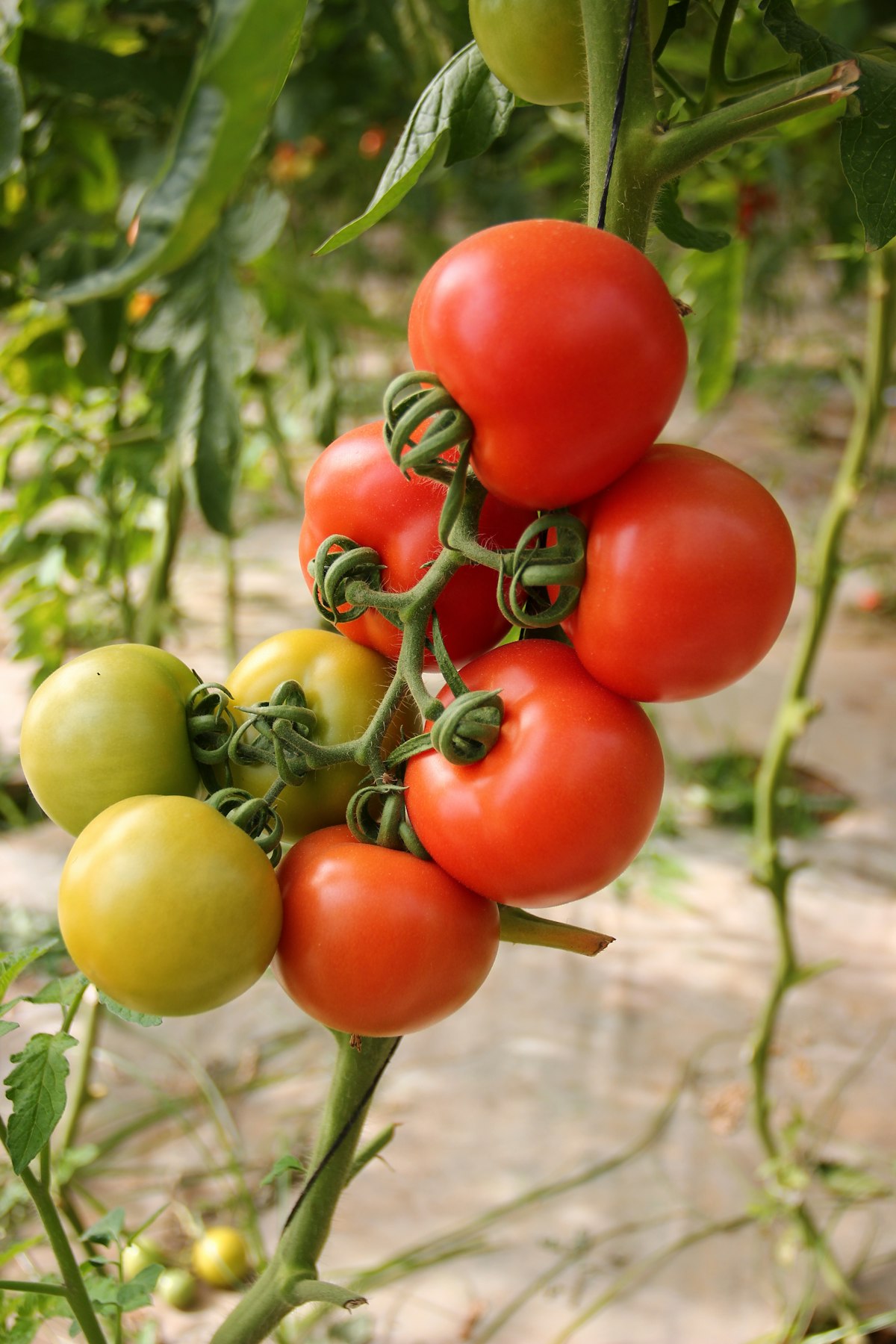
Straw is the classic choice. Apply 3-4 inches around established plants, keeping clear of stems. For tomatoes, mulch after soil warms to prevent disease splash.
Perennial Beds
Shredded bark or wood chips work well. Apply in spring, refresh annually. Avoid piling against plant crowns.
Trees and Shrubs
Create a mulch ring extending to the drip line (outer edge of branches), 3-4 inches deep. Keep mulch 6 inches from trunks—never pile against bark.
Pathways
Wood chips or coarse bark, 4-6 inches deep, create comfortable, weed-free paths. Arborist chips are often free and work excellently.
Strawberries
Straw is traditional (hence the name). Apply after ground freezes in fall to protect crowns, refresh in spring to keep berries clean.
Cost-Effective Mulching
Mulching a large garden can be expensive, but many materials are free or inexpensive:
- Arborist chips: Tree services often give away chips free—check ChipDrop or call local arborists
- Leaves: Collect from your yard and neighbors in fall
- Grass clippings: Free from your lawn (untreated only)
- Straw: Buy in fall when prices are lowest
- Coffee grounds: Many coffee shops give away grounds free
- Newspaper: Layer under other mulches for extra weed suppression
The Long-Term Benefits
Consistent mulching transforms gardens over time. After several years of annual mulching, you’ll notice:
- Darker, richer soil full of organic matter
- More earthworms and soil life
- Improved water retention—less watering needed
- Fewer weeds as soil seed bank depletes
- Better plant growth with less fertilizer
Mulching is one of the simplest, most effective practices for Pacific Northwest gardens. Start with whatever materials you have available, and add mulching to your annual garden routine. Your soil—and your plants—will thank you.

Stay in the loop
Get the latest the gardening nook updates delivered to your inbox.