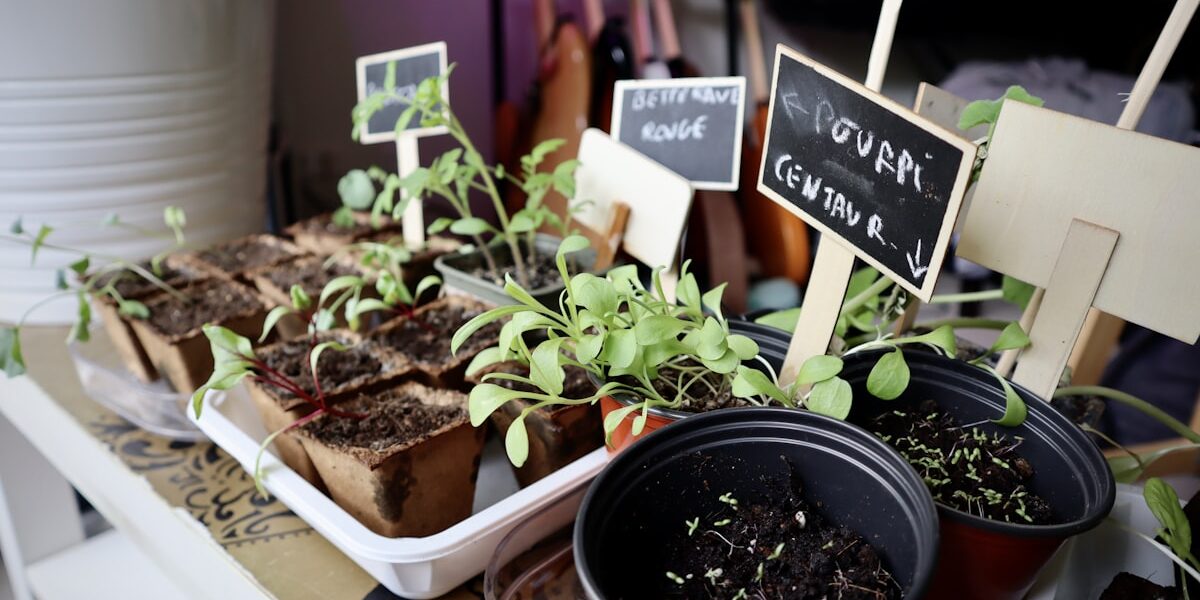
Spring arrives before you’re ready—it always does. But a few simple tasks done now set you up for your best garden yet. Whether it’s late winter or early spring where you are, these five actions pay dividends all season long.
1. Test Your Soil
You can’t fix what you don’t understand. Soil testing reveals pH, nutrient levels, and organic matter content—the foundation of plant health. Testing costs $15-30 through your local extension service and provides specific recommendations for your situation.
Why now: Testing takes 2-3 weeks for results. Do it now so you can amend soil before planting season. Spring amendments need time to integrate before crops go in.
How to do it: Collect samples from multiple spots in your garden, mix them together, and send to your state extension service or a private lab. They’ll tell you exactly what your soil needs—or doesn’t need.
2. Clean and Sharpen Tools
Your tools have been sitting all winter, possibly developing rust and definitely getting dull. Sharp, clean tools make every garden task easier and prevent disease spread between plants.
What to do:
- Remove rust with steel wool and oil metal surfaces
- Sharpen spades, hoes, and pruners (see our sharpening guide)
- Sand rough spots on wooden handles and apply linseed oil
- Tighten loose screws and replace worn parts
- Clean and organize your tool storage
Why now: You want tools ready when the gardening frenzy begins. Mid-season is too busy for maintenance.
3. Plan Your Planting
Random planting leads to poor use of space, bad companion relationships, and the same crops in the same spots year after year (hello, soil diseases). A simple plan prevents problems.
What to plan:
- Where each crop goes (consider rotation from previous years)
- Succession plantings (lettuce every 2 weeks, for example)
- Companion plantings that benefit each other
- Vertical growing opportunities to maximize space
- When to start seeds vs. buy transplants
Why now: Seeds need ordering before selections sell out. Planning reveals what supplies you need while there’s still time to acquire them.
4. Order Seeds Early
Popular varieties sell out—every year, gardeners are surprised when their favorite tomato or that trendy pepper is gone by March. Seed companies have limited stock of many varieties.
What to order:
- Varieties you know you want
- One or two new things to experiment with
- Extra of crops you’ll succession plant
- Seeds with specific characteristics (disease resistance, short season, etc.)
Why now: Order in January or February for best selection. Seeds last for years if stored properly, so ordering extra isn’t wasteful.
5. Start Seeds at the Right Time
Timing matters enormously. Start too early and you’ll have leggy, rootbound transplants. Start too late and you’ll miss the optimal planting window. Count backward from your last frost date.
General timing guidelines:
- 10-12 weeks before last frost: Onions, leeks, peppers, eggplant
- 6-8 weeks before last frost: Tomatoes, broccoli, cabbage
- 4-6 weeks before last frost: Lettuce, herbs, cucumbers, squash
- After last frost: Direct sow beans, corn, melons, sunflowers
Pro tip: Find your last frost date through your extension service, then create a calendar working backward. Mark seed-starting dates so you don’t forget.
Bonus: Clear Garden Debris—Carefully
If you left stems and leaves for winter wildlife habitat (good for you!), begin clearing them as weather warms. But wait until temperatures consistently reach 50°F—beneficial insects overwintering in debris need warmth to emerge. Move debris to a brush pile rather than bagging it, letting any remaining inhabitants escape.
Start Now
Even one of these tasks improves your garden season. Do all five and you’ll be organized, prepared, and ready when spring arrives in earnest. Future-you will be grateful.